110G High - Frequency Vertical Solderless Connector: Key Points for Solution Selection and Application Adaptation Logic
Leave a message
Selection and Application of 110G High - Frequency Vertical Solderless Connectors: A Comprehensive Analysis
In the field of high - frequency communication, as a key component for signal transmission, the performance of connectors directly affects the overall efficiency of the system. The 110G high - frequency vertical solder - free connector has become the preferred choice in many high - frequency scenarios due to its unique advantages.
I. Performance Advantages Lay the Foundation for Selection
(1) Wide Frequency Coverage
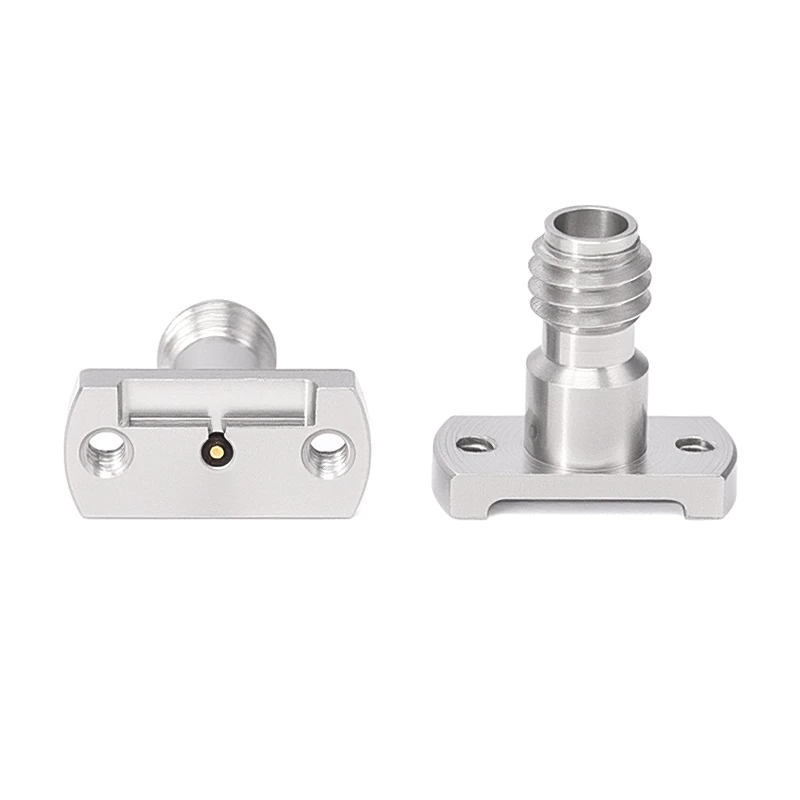
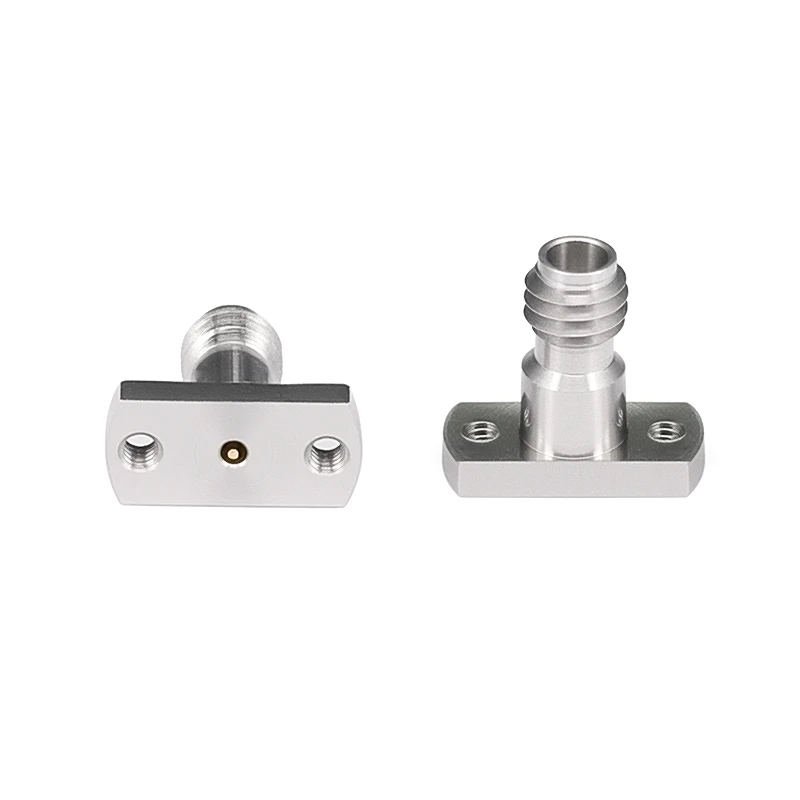
Take the 1.0mm vertical solderless connector as an example. It supports an extreme frequency of DC - 110GHz and is compatible with high - frequency platforms such as V - band and U12 systems. In scenarios with strict frequency requirements such as millimeter - wave communication and high - end test equipment, the wide frequency coverage can ensure the stable transmission of signals in the high - frequency band.
(2) Solderless Press - Fit Design
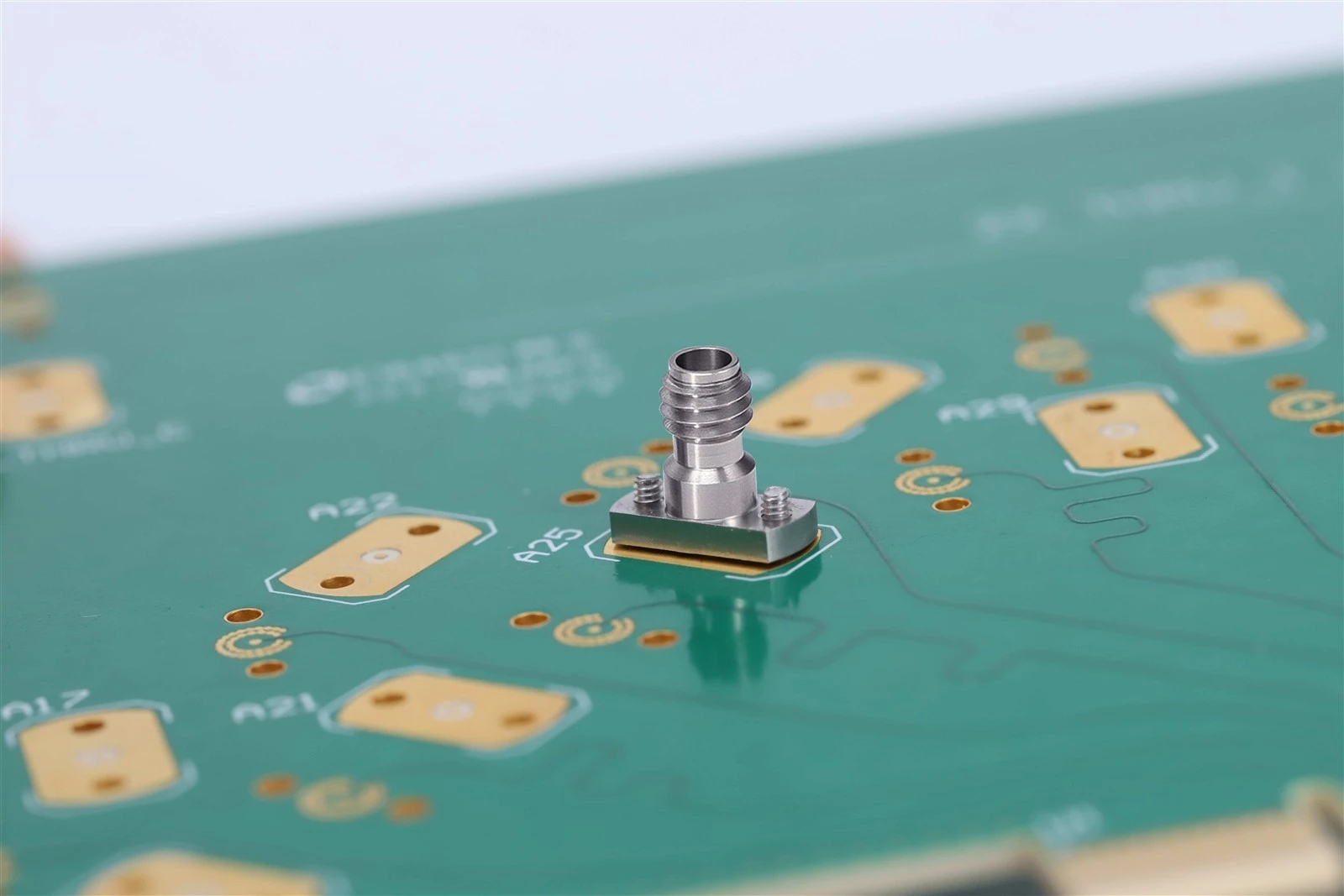
Adopting a solderless press - fit structure, there is no need for solder treatment, and it will not damage the PCB board. Moreover, it can be repeatedly disassembled and assembled hundreds of times. This feature is very prominent in the research and development and prototype design stages. Engineers can flexibly adjust the test plan and repeatedly disassemble and assemble the connector for different tests. It not only saves the cost loss caused by welding errors but also improves the research and development efficiency. In mass production, it also reduces the impact of the welding process on product consistency and ensures batch availability.
(3) Structure and Reliability
The vertical structure is compact, which is especially suitable for Stripline and Microstrip wiring inside the board or vertical module connection. In high - frequency equipment with limited space, it can effectively utilize the space layout. At the same time, the stainless - steel shell takes into account strength and conductivity, with strong mechanical reliability, and can work stably in complex environments (such as vibration, temperature difference changes, etc.) to ensure reliable microwave performance.
II. Key Points for Accurate Selection
(1) Based on Application Scenarios
If used in scenarios such as high - frequency signal testing, high - speed digital test boards, and characteristic analysis boards, the 1.0 - KFD216 model is suitable for Microstrip and can meet the needs of conventional board - level testing; for scenarios such as chip testing, millimeter - wave module interfaces, and radio frequency communication verification platforms, 1.0 - KFD216 - 1 is suitable for Stripline, which can better match the specific wiring structure and ensure the quality of signal transmission.
(2) Pay Attention to Parameter Matching
In terms of frequency range, confirm whether it covers the required DC - 110GHz in the application; electrical parameters such as insertion loss ≤ 0.05dB and standing wave ≤ 1.5 need to be consistent with the system signal transmission requirements to avoid signal attenuation and reflection affecting the test and communication effects; the temperature range (- 40℃ ~ + 155℃) needs to be adapted to the application environment. For example, outdoor communication equipment needs to consider stability under extreme temperatures.
(3) Adapt to Platforms and Wiring
For high - frequency platforms such as V - band and U12 systems, it is necessary to confirm the compatibility of the connector; different wiring types inside the board (Stripline or Microstrip) correspond to different selections to ensure the coordination between the connector and the wiring structure, realize efficient signal transmission, and avoid signal interference and increased loss due to structural mismatch.
III. Diverse Application Scenarios
(1) Research and Development and Prototype Design
In the initial stage of new product research and development, with frequent test and plan adjustment requirements, the re - disassembly and assembly characteristics of the vertical solder - free connector allow engineers to quickly change the test configuration, verify different design ideas, and accelerate the research and development process. For example, in the prototype design of millimeter - wave communication equipment, a test link can be flexibly built to test the signal transmission performance and optimize the design plan.
(2) High - Frequency Signal Testing Field
High - frequency signal testing has extremely high requirements for connector performance. The 110G high - frequency coverage, low insertion loss, and standing wave characteristics ensure the accurate transmission of test signals and truly reflect the performance of the tested equipment. Whether it is the performance test of high - frequency devices in the laboratory or the batch inspection of high - frequency products on the production line, it can provide a stable and reliable test connection, improving the accuracy and efficiency of testing.
(3) High - Speed Digital and Millimeter - Wave Modules
In high - speed digital test boards, the signal transmission rate is fast and the frequency is high. The vertical solder - free connector can ensure the stable transmission of high - speed signals and help verify the signal processing capability of the board; in the application of millimeter - wave module interfaces, the compact structure and high - frequency adaptability meet the requirements of module miniaturization and high - frequency communication. For example, in 5G millimeter - wave base station modules, the connector is used to realize efficient signal interaction and improve communication performance.