

Can DC blocks be used in audio circuits?
Leave a message

Can DC blocks be used in audio circuits? This is a question that has intrigued audio enthusiasts, engineers, and professionals alike. As a supplier of DC blocks, I've had the privilege of exploring this topic in depth and witnessing the transformative impact these components can have on audio circuits. In this blog post, I'll delve into the technical aspects of DC blocks, their suitability for audio circuits, and the benefits they offer.
Understanding DC Blocks
Before we discuss the application of DC blocks in audio circuits, it's essential to understand what DC blocks are and how they function. A DC block, also known as a DC blocker or DC isolation capacitor, is an electronic component designed to block direct current (DC) while allowing alternating current (AC) to pass through. It consists of a capacitor connected in series with the signal path.
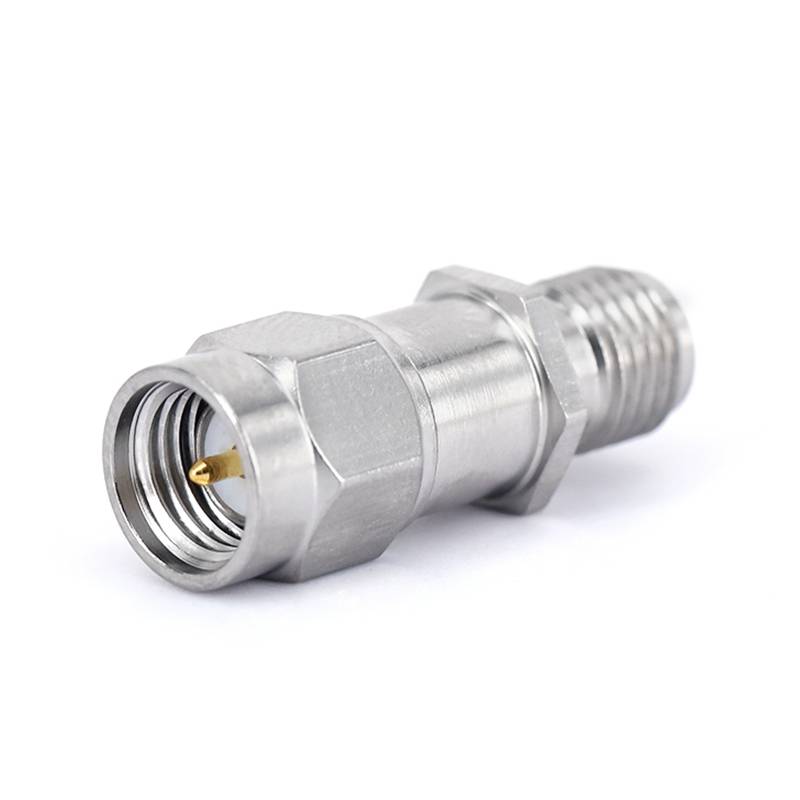

Capacitors have a unique property: they store and release electrical energy in the form of an electric field. When a DC voltage is applied across a capacitor, it charges up to the voltage level and then blocks any further flow of DC current. However, when an AC signal is applied, the capacitor continuously charges and discharges, allowing the AC signal to pass through. This property makes capacitors ideal for use as DC blocks.
Why Use DC Blocks in Audio Circuits?
Audio signals are essentially AC signals that carry information about sound. However, in many audio systems, DC offsets can occur due to various factors such as amplifier bias, power supply fluctuations, or ground loops. These DC offsets can cause several problems in audio circuits:
- Speaker Damage: DC offsets can cause the speaker cone to move away from its neutral position, leading to distortion and potentially damaging the speaker.
- Amplifier Overheating: DC offsets can cause the amplifier to draw more current than necessary, leading to overheating and reduced lifespan.
- Signal Distortion: DC offsets can introduce unwanted DC components into the audio signal, causing distortion and affecting the overall sound quality.
By using a DC block in the audio circuit, these problems can be effectively eliminated. The DC block blocks the DC offset while allowing the AC audio signal to pass through, ensuring that the speakers and amplifiers operate within their safe operating limits and that the audio signal remains clean and distortion-free.
Types of DC Blocks for Audio Circuits
There are several types of DC blocks available for audio circuits, each with its own advantages and disadvantages. The most common types include:
- Electrolytic Capacitors: Electrolytic capacitors are widely used as DC blocks in audio circuits due to their high capacitance values and low cost. However, they have a relatively high equivalent series resistance (ESR) and can introduce some distortion into the audio signal.
- Film Capacitors: Film capacitors offer better performance than electrolytic capacitors in terms of low ESR, low distortion, and high stability. They are commonly used in high-end audio systems where sound quality is of utmost importance.
- Ceramic Capacitors: Ceramic capacitors are small, lightweight, and have a high capacitance density. However, they have a relatively high dielectric absorption and can introduce some distortion into the audio signal.
Inner DC Blocks
When it comes to selecting the right DC block for your audio circuit, Inner DC Blocks are an excellent choice. Inner DC Blocks are designed specifically for audio applications and offer superior performance and reliability. They are made from high-quality materials and are carefully engineered to minimize distortion and maximize signal integrity.
Inner DC Blocks are available in a variety of capacitance values and voltage ratings to suit different audio circuit requirements. They are also available in different package sizes, making them easy to integrate into your audio system. To learn more about Inner DC Blocks, visit our website at Inner DC Blocks.
Benefits of Using DC Blocks in Audio Circuits
Using DC blocks in audio circuits offers several benefits, including:
- Improved Sound Quality: By eliminating DC offsets, DC blocks help to reduce distortion and improve the overall sound quality of the audio system.
- Enhanced Equipment Protection: DC blocks protect speakers and amplifiers from damage caused by DC offsets, extending their lifespan and reducing maintenance costs.
- Increased System Reliability: By preventing DC offsets from affecting the audio signal, DC blocks help to ensure the reliability and stability of the audio system.
- Easy Installation: DC blocks are easy to install and can be integrated into existing audio systems without significant modifications.
Considerations When Using DC Blocks in Audio Circuits
While DC blocks offer many benefits, there are some considerations to keep in mind when using them in audio circuits:
- Capacitance Value: The capacitance value of the DC block should be chosen based on the frequency range of the audio signal and the impedance of the circuit. A higher capacitance value will allow lower frequencies to pass through, while a lower capacitance value will block lower frequencies.
- Voltage Rating: The voltage rating of the DC block should be chosen based on the maximum voltage that the capacitor will be exposed to in the circuit. A higher voltage rating will ensure that the capacitor can handle the voltage without breaking down.
- ESR and Distortion: The equivalent series resistance (ESR) and distortion characteristics of the DC block should be considered when selecting a capacitor. A lower ESR and distortion will result in better sound quality.
How to Choose the Right DC Block for Your Audio Circuit
Choosing the right DC block for your audio circuit can be a challenging task, especially if you're not familiar with the technical specifications of capacitors. Here are some tips to help you choose the right DC block:
- Determine the Frequency Range: The frequency range of the audio signal will determine the capacitance value of the DC block. For low-frequency audio signals, a higher capacitance value is required, while for high-frequency audio signals, a lower capacitance value is sufficient.
- Consider the Impedance of the Circuit: The impedance of the circuit will also affect the choice of DC block. A higher impedance circuit will require a higher capacitance value, while a lower impedance circuit will require a lower capacitance value.
- Choose the Right Type of Capacitor: As mentioned earlier, there are several types of capacitors available for use as DC blocks in audio circuits. Consider the performance requirements of your audio system and choose the type of capacitor that best meets your needs.
- Check the Voltage Rating: Make sure that the voltage rating of the DC block is sufficient to handle the maximum voltage that the capacitor will be exposed to in the circuit.
- Look for Low ESR and Distortion: Choose a DC block with low ESR and distortion characteristics to ensure that the audio signal remains clean and distortion-free.
Conclusion
In conclusion, DC blocks can be effectively used in audio circuits to eliminate DC offsets, protect speakers and amplifiers, and improve the overall sound quality of the audio system. As a supplier of DC blocks, we offer a wide range of high-quality DC blocks suitable for various audio applications. Whether you're a professional audio engineer or an audio enthusiast, our DC blocks can help you achieve the best possible sound quality in your audio system.
If you're interested in learning more about our DC blocks or would like to discuss your specific audio circuit requirements, please don't hesitate to contact us. We'll be happy to assist you in choosing the right DC block for your application and provide you with all the technical support you need.
References
- Horowitz, P., & Hill, W. (1989). The Art of Electronics. Cambridge University Press.
- Self, D. (2006). Audio Power Amplifier Design Handbook. Newnes.
- Toole, F. (2007). Sound Reproduction: The Acoustics and Psychoacoustics of Loudspeakers and Rooms. Focal Press.


