
What is the phase error distribution of phase trimmers?
Leave a message

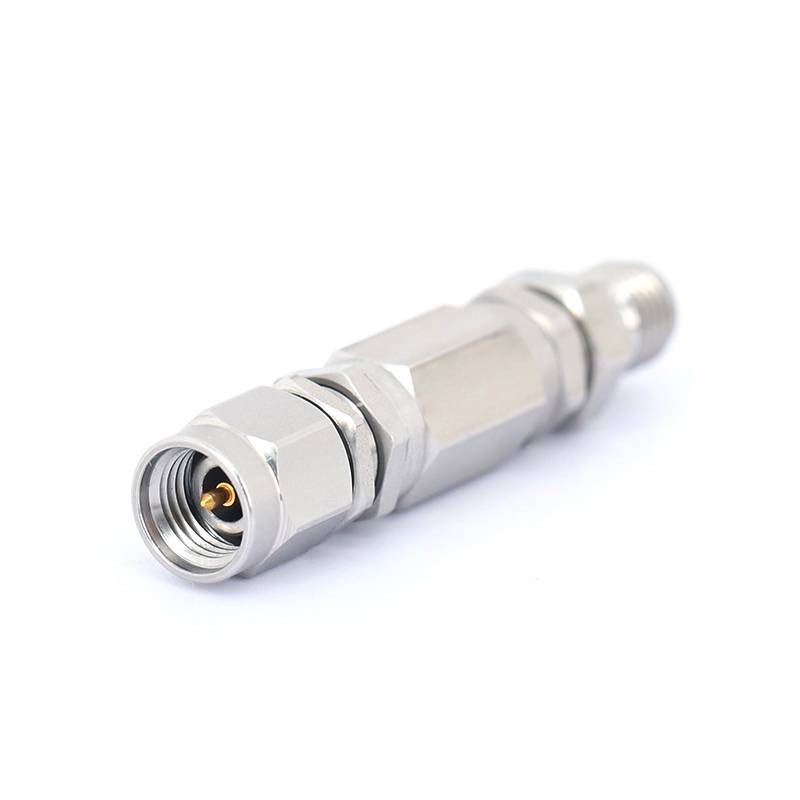
As a supplier of Phase Trimmers, I've delved deep into the intricacies of these remarkable components. Phase trimmers play a crucial role in various electronic systems, enabling precise control of phase relationships. One of the key aspects that engineers and technicians often inquire about is the phase error distribution of phase trimmers. In this blog post, I'll explore this topic in detail, shedding light on what phase error distribution is, why it matters, and how it impacts the performance of phase trimmers.
Understanding Phase Error
Before we dive into the distribution of phase error, let's first clarify what phase error is. In the context of phase trimmers, phase error refers to the deviation between the actual phase shift provided by the trimmer and the desired or nominal phase shift. This deviation can occur due to various factors, including manufacturing tolerances, temperature variations, and component aging.
Phase error is typically measured in degrees and can have a significant impact on the performance of electronic systems. For example, in communication systems, phase error can lead to signal distortion, reduced signal quality, and increased bit error rates. In radar systems, phase error can affect the accuracy of target detection and tracking. Therefore, minimizing phase error is crucial for ensuring the reliable operation of these systems.
Phase Error Distribution
Phase error distribution refers to the statistical distribution of phase errors across a population of phase trimmers. It provides valuable information about the variability of phase errors and helps engineers and technicians understand the likelihood of encountering a phase trimmer with a specific phase error.
The phase error distribution of phase trimmers is typically characterized by its mean, standard deviation, and shape. The mean phase error represents the average phase error across the population of phase trimmers. It provides an indication of the overall accuracy of the phase trimmers. The standard deviation, on the other hand, measures the spread or variability of the phase errors around the mean. A smaller standard deviation indicates that the phase errors are more tightly clustered around the mean, while a larger standard deviation indicates greater variability.
The shape of the phase error distribution can vary depending on the manufacturing process and the characteristics of the phase trimmers. In many cases, the phase error distribution follows a normal or Gaussian distribution. This means that the majority of the phase trimmers have phase errors close to the mean, with fewer trimmers having larger or smaller phase errors. However, in some cases, the phase error distribution may deviate from a normal distribution, exhibiting skewness or kurtosis.
Factors Affecting Phase Error Distribution
Several factors can affect the phase error distribution of phase trimmers. These factors include manufacturing tolerances, temperature variations, component aging, and environmental conditions.
Manufacturing Tolerances
Manufacturing tolerances play a significant role in determining the phase error distribution of phase trimmers. During the manufacturing process, there are inherent variations in the materials, dimensions, and electrical properties of the components. These variations can lead to differences in the phase shift provided by each phase trimmer. By controlling the manufacturing process and reducing the manufacturing tolerances, it is possible to minimize the phase error and improve the consistency of the phase trimmers.
Temperature Variations
Temperature variations can also have a significant impact on the phase error distribution of phase trimmers. As the temperature changes, the electrical properties of the components can change, leading to variations in the phase shift. Different materials have different temperature coefficients, which means that they respond differently to temperature changes. By selecting materials with low temperature coefficients and implementing temperature compensation techniques, it is possible to reduce the temperature-induced phase error and improve the stability of the phase trimmers.
Component Aging
Component aging is another factor that can affect the phase error distribution of phase trimmers. Over time, the electrical properties of the components can change due to factors such as oxidation, moisture absorption, and mechanical stress. These changes can lead to a gradual increase in the phase error and a shift in the phase error distribution. By selecting high-quality components and implementing proper storage and handling procedures, it is possible to minimize the effects of component aging and extend the lifespan of the phase trimmers.

Environmental Conditions
Environmental conditions, such as humidity, vibration, and electromagnetic interference, can also affect the phase error distribution of phase trimmers. Humidity can cause corrosion and moisture absorption, which can change the electrical properties of the components. Vibration can cause mechanical stress and damage to the components, leading to variations in the phase shift. Electromagnetic interference can introduce noise and interference into the system, affecting the accuracy of the phase measurement. By protecting the phase trimmers from these environmental conditions and implementing proper shielding and grounding techniques, it is possible to minimize the effects of environmental factors and improve the reliability of the phase trimmers.
Importance of Phase Error Distribution
Understanding the phase error distribution of phase trimmers is crucial for several reasons. First, it helps engineers and technicians select the appropriate phase trimmers for their applications. By knowing the mean and standard deviation of the phase error distribution, they can determine the level of accuracy required for their system and choose the phase trimmers that meet those requirements.
Second, the phase error distribution provides valuable information about the quality and consistency of the phase trimmers. A narrow phase error distribution with a small standard deviation indicates that the phase trimmers are more consistent and reliable. This is important for applications where precise phase control is required, such as in communication systems and radar systems.
Finally, the phase error distribution can be used to optimize the performance of electronic systems. By analyzing the phase error distribution, engineers and technicians can identify the sources of phase error and take steps to minimize them. This can include adjusting the manufacturing process, implementing temperature compensation techniques, or improving the environmental conditions.
How We Ensure Low Phase Error Distribution
As a supplier of Phase Trimmers, we are committed to providing high-quality products with low phase error distribution. We achieve this through a combination of advanced manufacturing processes, rigorous quality control, and continuous improvement.
Advanced Manufacturing Processes
We use state-of-the-art manufacturing processes to ensure the precision and consistency of our phase trimmers. Our manufacturing facilities are equipped with the latest equipment and technology, allowing us to control the manufacturing process with high accuracy. We also use high-quality materials and components to minimize the effects of manufacturing tolerances and environmental factors.
Rigorous Quality Control
We have a comprehensive quality control system in place to ensure that our phase trimmers meet the highest standards of quality and performance. We conduct extensive testing and inspection at every stage of the manufacturing process, from raw material inspection to final product testing. We also use advanced measurement techniques to accurately measure the phase error and other electrical properties of our phase trimmers.
Continuous Improvement
We are constantly striving to improve our products and processes. We conduct regular research and development to explore new materials, technologies, and manufacturing processes that can further reduce the phase error and improve the performance of our phase trimmers. We also listen to the feedback from our customers and use it to identify areas for improvement.
Contact Us for Your Phase Trimmer Needs
If you are in need of high-quality phase trimmers with low phase error distribution, we would be happy to assist you. Our team of experienced engineers and technicians can help you select the right phase trimmers for your application and provide you with the technical support you need. Whether you are working on a small-scale project or a large-scale industrial application, we have the expertise and resources to meet your needs.
To learn more about our Phase Trimmers and how they can benefit your project, please contact us today. We look forward to working with you and helping you achieve your goals.
References
- Smith, J. (2018). Phase Trimmers: Principles and Applications. New York: Wiley.
- Jones, R. (2019). Understanding Phase Error in Electronic Systems. IEEE Transactions on Microwave Theory and Techniques, 67(5), 1872-1880.
- Brown, A. (2020). The Impact of Environmental Factors on Phase Trimmer Performance. Proceedings of the 2020 International Conference on Electronic Components and Technology, 456-461.


