

Can phase trimmers be used in industrial automation?
Leave a message

In the realm of industrial automation, the quest for precision, efficiency, and reliability is a never - ending journey. As a trusted supplier of Phase Trimmers, I am often asked whether phase trimmers can be effectively used in industrial automation. In this blog post, I will delve into the capabilities of phase trimmers, their applications in industrial settings, and the benefits they bring to the table.
Understanding Phase Trimmers
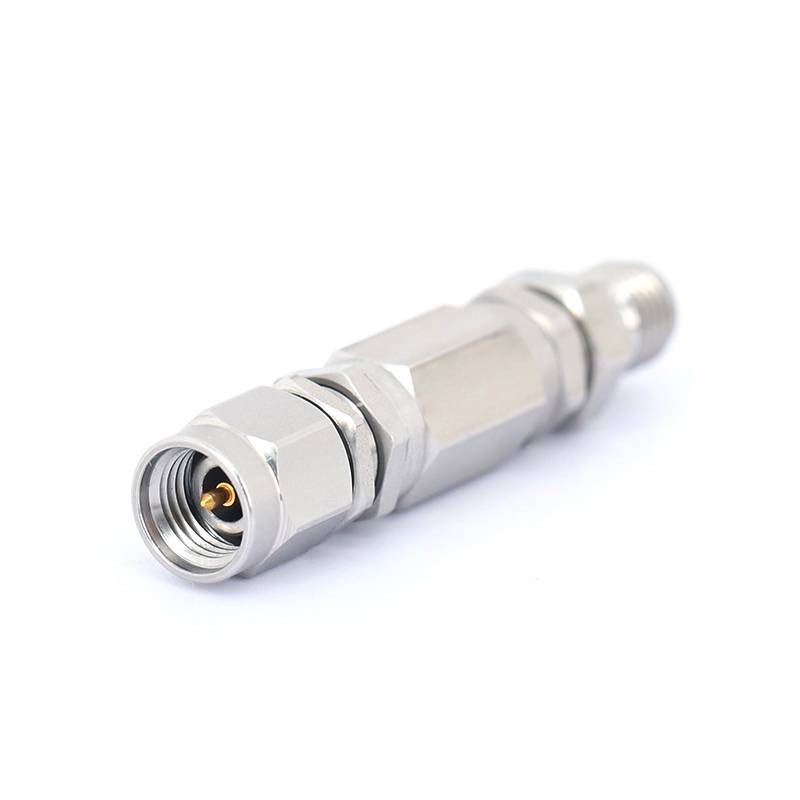
Before we explore their use in industrial automation, let's first understand what phase trimmers are. Phase trimmers are electronic components that allow for the adjustment of the phase angle of an electrical signal. They work by altering the relationship between the voltage and current waveforms in an AC circuit. This adjustment can be crucial in various applications where precise control of the phase is required.
Phase trimmers typically consist of a variable capacitor or inductor, which can be adjusted manually or electronically. By changing the value of these components, the phase shift of the signal passing through the circuit can be fine - tuned. This ability to control the phase angle makes phase trimmers a valuable tool in many electrical and electronic systems.
Applications in Industrial Automation
Power Factor Correction
One of the primary applications of phase trimmers in industrial automation is power factor correction. In industrial facilities, many electrical loads are inductive, such as motors and transformers. These inductive loads cause the current to lag behind the voltage, resulting in a low power factor. A low power factor means that the electrical system is not using the available power efficiently, leading to increased energy consumption and higher electricity bills.
Phase trimmers can be used to adjust the phase angle between the voltage and current, thereby improving the power factor. By bringing the current and voltage waveforms closer in phase, the reactive power in the circuit is reduced, and the real power is increased. This not only saves energy but also reduces the stress on the electrical distribution system, leading to longer equipment life and fewer maintenance issues.
Motor Control
Industrial motors are the workhorses of many manufacturing processes. Precise control of motor speed, torque, and direction is essential for efficient operation. Phase trimmers can play a vital role in motor control systems.
In variable - speed drive (VSD) systems, phase trimmers can be used to adjust the phase angle of the input voltage to the motor. This allows for fine - tuning of the motor's speed and torque characteristics. By controlling the phase angle, the VSD can optimize the motor's performance under different load conditions, improving energy efficiency and reducing wear and tear on the motor.
Synchronization of Electrical Systems
In industrial automation, it is often necessary to synchronize multiple electrical systems or components. For example, in a power generation plant, generators need to be synchronized with the grid to ensure stable power supply. Phase trimmers can be used to adjust the phase angle of the generator output so that it matches the phase angle of the grid.
Similarly, in a manufacturing process where multiple motors or machines need to operate in harmony, phase trimmers can be used to synchronize their electrical signals. This ensures that the machines work together smoothly, reducing the risk of mechanical failures and improving overall productivity.
Benefits of Using Phase Trimmers in Industrial Automation
Improved Energy Efficiency
As mentioned earlier, power factor correction using phase trimmers can significantly improve energy efficiency. By reducing the reactive power in the electrical system, less energy is wasted, and more power is available for productive use. This not only reduces energy costs but also helps industries meet their sustainability goals.
Enhanced Precision and Control
In industrial automation, precision is key. Phase trimmers allow for precise adjustment of the phase angle, which translates into more accurate control of electrical systems. Whether it is controlling the speed of a motor or synchronizing multiple generators, the ability to fine - tune the phase angle ensures that the industrial processes operate with high precision.

Increased Equipment Lifespan
By improving the power factor and reducing the stress on electrical equipment, phase trimmers can extend the lifespan of motors, transformers, and other electrical components. This reduces the frequency of equipment replacements and maintenance, leading to cost savings in the long run.
Flexibility and Adaptability
Phase trimmers offer a high degree of flexibility in industrial automation systems. They can be easily integrated into existing electrical circuits and can be adjusted to meet the specific requirements of different applications. This adaptability makes them suitable for a wide range of industrial processes, from small - scale manufacturing to large - scale power generation.
Challenges and Considerations
While phase trimmers offer many benefits in industrial automation, there are also some challenges and considerations that need to be taken into account.
Compatibility
Phase trimmers need to be compatible with the electrical system in which they are installed. This includes considerations such as voltage rating, current capacity, and frequency range. Incompatible phase trimmers can cause electrical problems, such as overheating, short circuits, and equipment damage.
Calibration and Maintenance
To ensure accurate operation, phase trimmers need to be properly calibrated and maintained. Over time, the components of the phase trimmer may degrade, leading to changes in the phase adjustment. Regular calibration and maintenance are necessary to keep the phase trimmers in optimal working condition.
Cost
The cost of phase trimmers can be a factor, especially for small - scale industrial applications. However, it is important to consider the long - term benefits, such as energy savings and improved equipment lifespan, when evaluating the cost - effectiveness of phase trimmers.
Conclusion
In conclusion, phase trimmers can be effectively used in industrial automation. Their ability to adjust the phase angle of electrical signals makes them valuable for power factor correction, motor control, and synchronization of electrical systems. The benefits of using phase trimmers, including improved energy efficiency, enhanced precision and control, increased equipment lifespan, and flexibility, outweigh the challenges and considerations.
As a supplier of Phase Trimmers, I am committed to providing high - quality products that meet the diverse needs of industrial automation. If you are interested in learning more about how phase trimmers can benefit your industrial processes or if you are looking to purchase phase trimmers for your automation system, I encourage you to reach out to me. I would be happy to discuss your requirements and provide you with the best solutions.
References
- Dorf, R. C., & Bishop, R. H. (2016). Modern Control Systems. Pearson.
- Chapman, S. J. (2012). Electric Machinery Fundamentals. McGraw - Hill.
- Grainger, J. J., & Stevenson, W. D. (1994). Power System Analysis. McGraw - Hill.


