

Can SMA attenuators be used in high - power applications?
Leave a message

Hey there! As a supplier of SMA Attenuators, I often get asked whether SMA attenuators can be used in high - power applications. It's a valid question, and today, I'm gonna break it down for you.
First off, let's understand what SMA attenuators are. SMA, which stands for SubMiniature version A, is a widely used coaxial connector in the RF (Radio Frequency) world. SMA attenuators are devices that reduce the power of an RF signal without significantly distorting its waveform. They're used in a variety of applications, from test and measurement to telecommunications.
Now, when it comes to high - power applications, things get a bit more complicated. High - power applications typically involve signals with power levels that can range from a few watts to several kilowatts. These applications are common in areas like radar systems, high - power transmitters, and industrial RF heating.
The main concern with using SMA attenuators in high - power applications is their power - handling capacity. SMA connectors and the associated attenuators are generally designed for lower - power applications. The standard SMA connectors have a relatively small physical size, which limits their ability to dissipate heat generated by high - power signals. Heat is a major enemy in RF components, as it can cause performance degradation, damage to the components, and even pose a safety risk.
However, that doesn't mean SMA attenuators can never be used in high - power scenarios. There are some specially designed SMA attenuators that are built to handle higher power levels. These high - power SMA attenuators are constructed with materials and designs that allow for better heat dissipation. For example, they might use larger - gauge conductors and heat - sinking materials to keep the temperature under control.
One of the key factors to consider is the power rating of the attenuator. The power rating indicates the maximum amount of power the attenuator can handle continuously without being damaged. When selecting an SMA attenuator for a high - power application, you need to make sure that the power rating is well above the expected power level of the signal. This provides a safety margin and helps prevent overheating and premature failure.
Another important consideration is the frequency range. High - power applications often operate at specific frequency bands. SMA attenuators have a certain frequency range within which they can operate effectively. If the frequency of the high - power signal is outside the specified range of the attenuator, it can lead to poor performance, such as increased insertion loss or signal distortion.
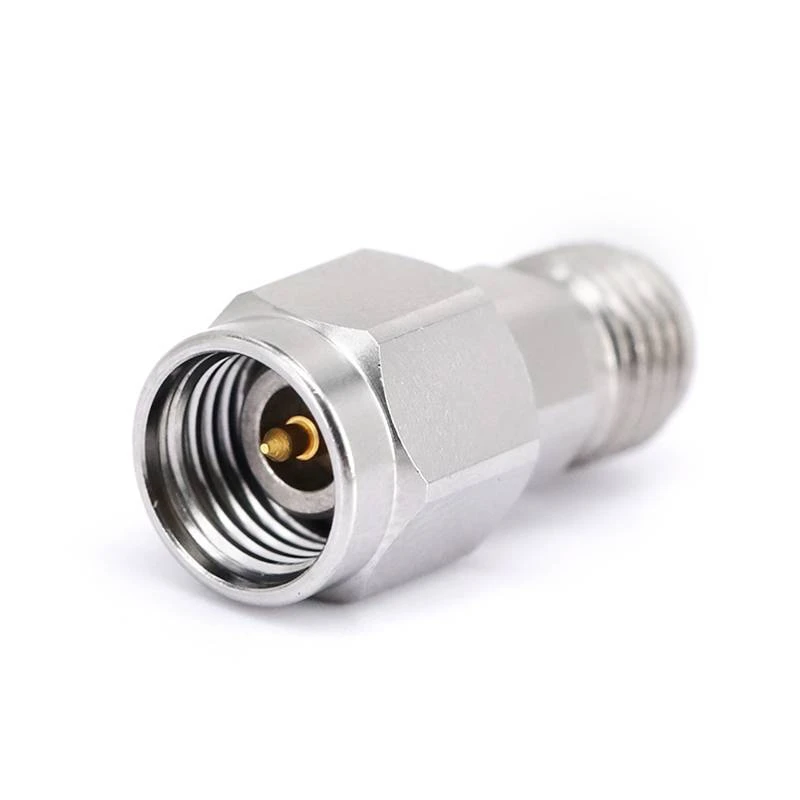
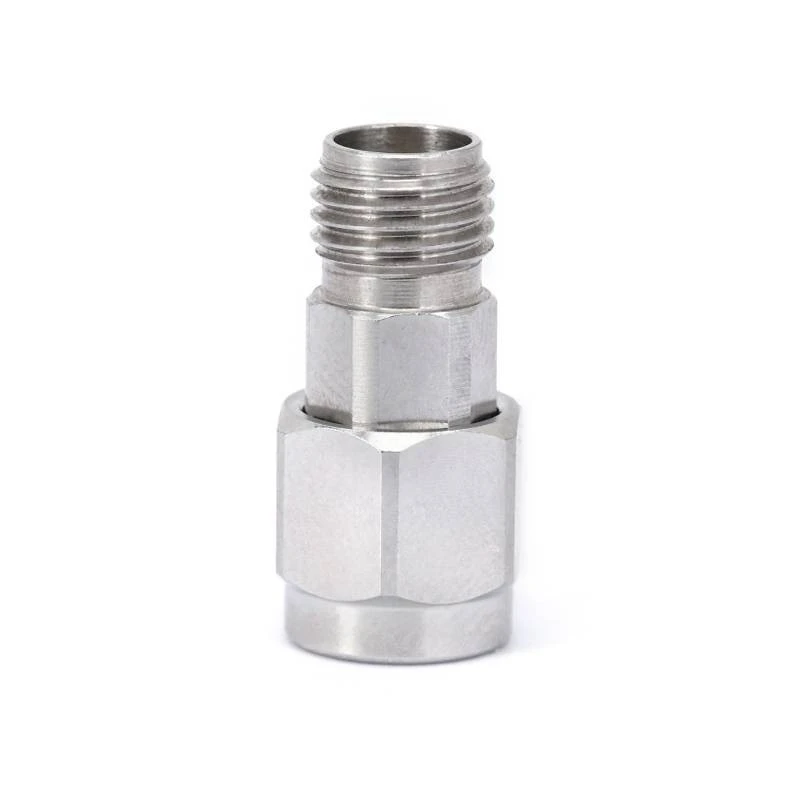
Let's compare SMA attenuators with other types of attenuators commonly used in high - power applications. For instance, 2.92mm Attenuators and 2.4mm Attenuators are known for their better performance at higher frequencies and can handle relatively higher power levels compared to standard SMA attenuators. The larger physical size of these connectors allows for better heat dissipation and lower signal loss at high frequencies.
But SMA attenuators still have their advantages. They're more cost - effective and easier to find compared to some of the other high - end attenuators. If the power requirements of your application are not extremely high and you're on a budget, a well - selected high - power SMA attenuator might be a good choice.
In some cases, you can also use multiple SMA attenuators in series to handle higher power. By distributing the power across multiple attenuators, you can reduce the stress on each individual attenuator and improve the overall power - handling capacity. However, this approach requires careful design and consideration of the overall insertion loss and impedance matching.
When using SMA attenuators in high - power applications, it's also crucial to pay attention to the installation and maintenance. Proper installation ensures good electrical and mechanical connections, which are essential for efficient power transfer and heat dissipation. Regular maintenance, such as checking for signs of overheating or damage, can help detect and address potential issues before they cause major problems.
So, to sum it up, SMA attenuators can be used in high - power applications, but with some limitations. You need to carefully evaluate the power requirements, frequency range, and other factors of your specific application. If you're unsure whether an SMA attenuator is suitable for your high - power needs, don't hesitate to reach out to us. As a supplier of SMA Attenuators, we have a team of experts who can help you select the right product for your application.
If you're interested in purchasing SMA attenuators for your high - power or any other application, feel free to contact us for a detailed discussion. We can provide you with more information about our products, pricing, and technical specifications. Let's work together to find the best solution for your RF needs.
References:
- RF and Microwave Engineering textbooks
- Industry whitepapers on RF attenuators and high - power applications


