

Do SMA attenuators require calibration?
Leave a message

Do SMA attenuators require calibration? That's a question I get asked a lot as a supplier of SMA attenuators. In this blog, I'll share my thoughts on this topic based on my experience in the industry.
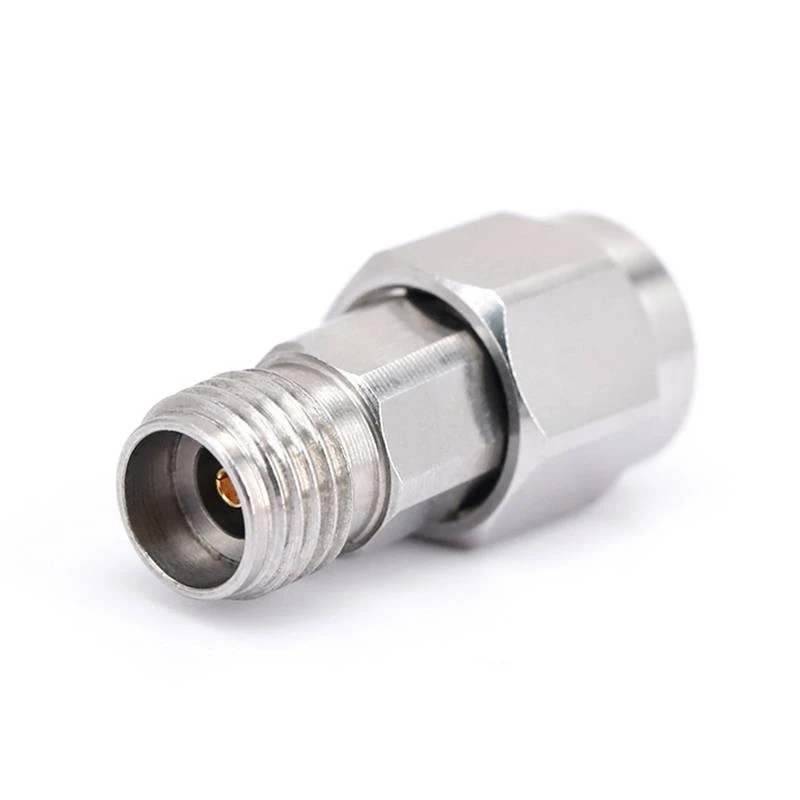
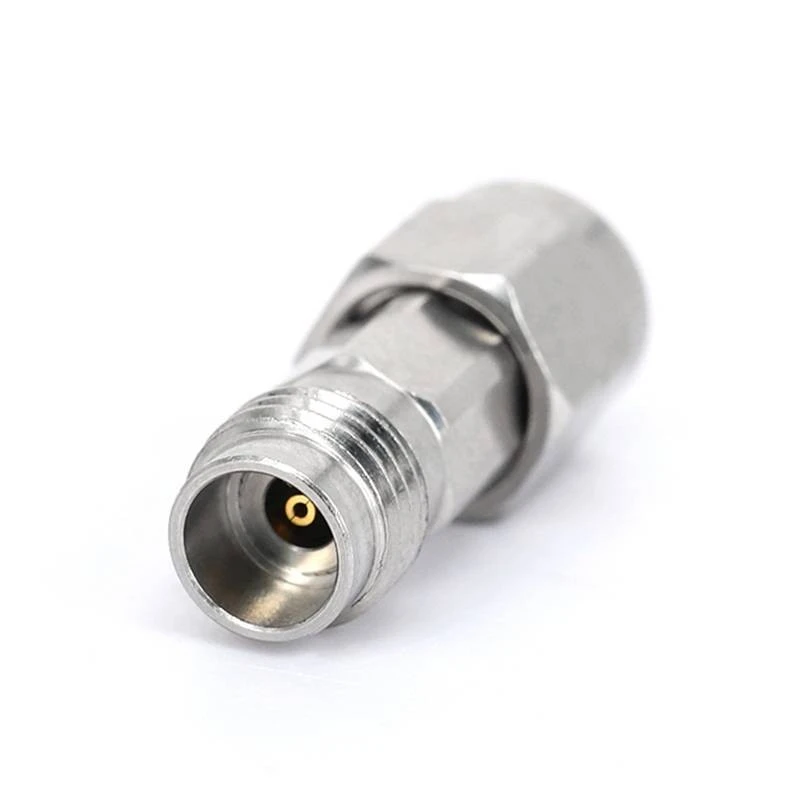
First off, let's quickly go over what SMA attenuators are. SMA (SubMiniature version A) attenuators are widely used in RF (Radio Frequency) and microwave systems. They're designed to reduce the power of a signal without significantly distorting its waveform. You'll find them in all sorts of applications, like test and measurement setups, communication systems, and even in some consumer electronics.
Now, back to the big question: do they need calibration? Well, the short answer is, it depends.
Why Calibration Might Be Necessary
Accuracy in Measurements
In test and measurement scenarios, accuracy is king. If you're using SMA attenuators to measure the power of a signal, you need to know exactly how much the signal is being attenuated. Over time, factors like temperature changes, aging of components, and even mechanical stress can cause the attenuation value of an SMA attenuator to drift.
Let's say you're testing a new RF device, and you're relying on an SMA attenuator to set a specific input power level. If the attenuator's actual attenuation is different from its nominal value, your test results could be way off. This could lead to incorrect conclusions about the device's performance, which is a big no - no in the world of engineering.
Compliance with Standards
Many industries have strict standards regarding the accuracy of RF components. For example, in the telecommunications industry, equipment needs to meet certain performance criteria to ensure reliable communication. Using uncalibrated SMA attenuators could mean that your equipment fails to meet these standards, which could result in regulatory issues or problems with customers.
When Calibration Might Not Be Needed
Less Critical Applications
In some cases, the application might not require extremely high accuracy. For instance, if you're using an SMA attenuator in a simple RF circuit where the exact attenuation value isn't crucial, calibration might not be necessary. Maybe you're just using it to reduce the signal strength a bit to prevent overloading a receiver, and a rough estimate of the attenuation is good enough.
Short - Term Use
If you're using the SMA attenuator for a short - term project or a one - off experiment, calibration might not be worth the time and cost. As long as you're aware that the attenuation value might not be 100% accurate, you can still get useful results.
How Calibration Works
Calibration of SMA attenuators typically involves comparing the actual attenuation of the device with a known standard. This is usually done using specialized test equipment, like a network analyzer. The analyzer sends a signal through the attenuator and measures the input and output power levels to determine the actual attenuation.
If the measured attenuation is different from the nominal value, adjustments can be made. In some cases, the attenuator might need to be adjusted mechanically or electronically. Once the attenuation is within an acceptable tolerance range, the attenuator is considered calibrated.
Our Range of Attenuators
As a supplier, we offer a wide range of SMA attenuators, as well as other types like 2.92mm Attenuators, 2.4mm Attenuators, and 1.85mm Attenuators. Our products are designed to provide reliable performance, but we also understand the importance of calibration in many applications.
We can work with you to determine whether calibration is necessary for your specific needs. If it is, we can either provide pre - calibrated attenuators or offer calibration services for the attenuators you've already purchased.
Conclusion
So, do SMA attenuators require calibration? It really boils down to your specific application. If accuracy is critical, compliance with standards is a must, or you're using the attenuator in a long - term, high - stakes project, calibration is probably a good idea. On the other hand, if the application is less demanding, calibration might not be necessary.
If you're in the market for SMA attenuators or any of our other RF components, and you're not sure whether calibration is right for you, don't hesitate to reach out. Our team of experts is here to help you make the best decision for your project. Whether you need advice on product selection, calibration requirements, or anything else related to RF attenuators, we're just a message away. Let's start a conversation and find the perfect solution for your needs.
References
- "RF and Microwave Circuit Design for Wireless Applications" by Chris Bowick
- Industry standards documents related to RF components in telecommunications and test and measurement.


