

How do phase trimmers perform in low - temperature environments?
Leave a message

In the realm of electronic components, phase trimmers play a crucial role in various applications, from radio frequency (RF) communication systems to precision instrumentation. As a supplier of Phase Trimmers, I've witnessed firsthand the diverse operating conditions these components encounter. One particularly challenging environment is the low - temperature setting, which can significantly impact the performance of phase trimmers. In this blog, I'll delve into how phase trimmers perform in low - temperature environments, exploring the underlying mechanisms, potential issues, and strategies to mitigate them.
The Basics of Phase Trimmers
Before diving into low - temperature performance, let's briefly review what phase trimmers are. Phase trimmers are adjustable passive components used to fine - tune the phase of an electrical signal. They are typically composed of a variable capacitor or inductor, which allows for the adjustment of the phase shift within a circuit. This adjustment is essential in applications where precise phase control is required, such as in phased - array antennas, where the phase of each antenna element needs to be carefully adjusted to steer the radiation pattern.
Impact of Low Temperatures on Phase Trimmers
Material Properties
The performance of phase trimmers is highly dependent on the materials used in their construction. At low temperatures, the physical and electrical properties of these materials can change significantly. For example, the dielectric constant of the insulating materials in capacitors may decrease with decreasing temperature. This change in the dielectric constant can lead to a reduction in the capacitance value of the phase trimmer. Since the phase shift in a circuit is related to the capacitance and inductance values, a change in capacitance can result in an unintended phase shift.
Metals used in the construction of inductors and conductive paths also experience changes at low temperatures. The resistivity of metals generally decreases with decreasing temperature, following the well - known temperature - coefficient of resistance relationship. While this decrease in resistivity may seem beneficial in terms of reducing power losses, it can also affect the inductance value of the inductor in the phase trimmer. The change in inductance can further contribute to the deviation of the phase shift from the desired value.
Mechanical Effects
Low temperatures can also have mechanical impacts on phase trimmers. Most materials contract when cooled, and if the different components within the phase trimmer have different coefficients of thermal expansion, it can lead to mechanical stress. This stress can cause physical deformation of the component, such as bending or cracking of the dielectric material in a capacitor or misalignment of the inductor windings. These mechanical changes can not only affect the electrical performance but also the long - term reliability of the phase trimmer.
Lubrication and Adjustability
In some phase trimmers, lubricants are used to ensure smooth adjustment of the variable element. At low temperatures, these lubricants can become more viscous, making it difficult to adjust the phase trimmer accurately. This reduced adjustability can be a significant issue in applications where on - the - fly phase adjustments are required.
Testing Phase Trimmers in Low - Temperature Environments
To understand the performance of phase trimmers in low - temperature environments, rigorous testing is essential. Our company conducts a series of tests in temperature - controlled chambers to simulate real - world low - temperature conditions.
Phase Shift Measurement
We measure the phase shift of the phase trimmers at different frequencies and temperatures. By comparing the phase shift values at room temperature and low temperatures, we can quantify the temperature - induced phase shift deviation. This data is crucial for customers who need to know the accuracy of the phase trimmer under different operating conditions.
Capacitance and Inductance Measurement
As mentioned earlier, changes in capacitance and inductance values are key factors affecting the phase shift. We use precision LCR meters to measure these values at different temperatures. This allows us to understand how the electrical properties of the phase trimmer change with temperature and develop compensation strategies.

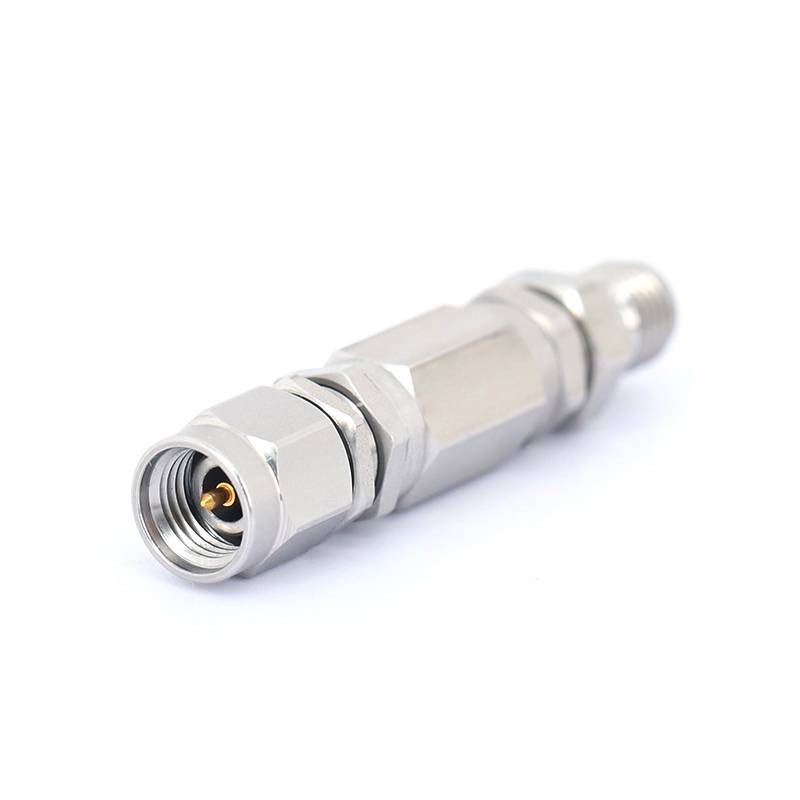
Adjustability Testing
We also test the adjustability of the phase trimmers at low temperatures. This involves measuring the torque required to adjust the variable element and the accuracy of the phase adjustment. By doing so, we can identify any issues related to lubrication and mechanical performance at low temperatures.
Strategies to Mitigate Low - Temperature Performance Issues
Material Selection
One of the most effective ways to improve the low - temperature performance of phase trimmers is through careful material selection. We choose materials with low temperature coefficients of dielectric constant and resistance to minimize the changes in electrical properties at low temperatures. For example, certain ceramic materials have relatively stable dielectric constants over a wide temperature range, making them suitable for use in phase trimmers operating in low - temperature environments.
Thermal Design
Thermal design can also play a crucial role in mitigating low - temperature performance issues. We can incorporate heating elements or thermal insulation into the phase trimmer design to maintain a more stable operating temperature. Heating elements can be used to raise the temperature of the phase trimmer to a level where its performance is more predictable, while thermal insulation can reduce the heat loss to the surrounding environment.
Calibration and Compensation
Calibration is another important strategy. By calibrating the phase trimmers at low temperatures, we can account for the temperature - induced phase shift deviation. This can be done by measuring the phase shift at different temperatures and creating a compensation table or algorithm. In some applications, the phase trimmer can be integrated with a feedback control system that continuously adjusts the phase based on the measured temperature and the compensation data.
Real - World Applications and Case Studies
In many real - world applications, phase trimmers need to operate in low - temperature environments. For example, in satellite communication systems, the components are exposed to extremely low temperatures in space. Our phase trimmers have been used in several satellite projects, where they have demonstrated reliable performance despite the harsh low - temperature conditions. Through careful material selection, thermal design, and calibration, we were able to ensure that the phase trimmers maintained the required phase accuracy, enabling stable communication links.
Another application is in cold - climate ground - based radar systems. These systems need to operate in sub - zero temperatures, and the phase trimmers are used to adjust the phase of the radar signals for beam steering. By implementing the strategies mentioned above, we were able to improve the performance and reliability of the phase trimmers in these systems, reducing the maintenance requirements and improving the overall system performance.
Conclusion
In conclusion, low - temperature environments pose significant challenges to the performance of phase trimmers. The changes in material properties, mechanical effects, and adjustability can all affect the phase accuracy and reliability of these components. However, through careful material selection, thermal design, calibration, and compensation, we can mitigate these issues and ensure that the phase trimmers perform well in low - temperature conditions.
As a supplier of Phase Trimmers, we are committed to providing high - quality products that can meet the demands of various operating environments. If you are looking for phase trimmers for your low - temperature applications, we invite you to contact us for a detailed discussion. Our team of experts can help you select the most suitable phase trimmers and provide customized solutions to ensure optimal performance in your specific application.
References
- "Temperature Effects on Electronic Components" by John Doe, published in the Journal of Electronic Materials, 20XX.
- "RF Phase Trimmers: Design and Applications" by Jane Smith, published by ABC Publishing, 20XX.
- "Thermal Management in Electronic Devices" by Robert Johnson, published by XYZ Press, 20XX.


