

How do RF loads perform in multi - band RF systems?
Leave a message

In modern wireless communication systems, multi - band RF (Radio Frequency) technology has become a mainstream trend. It allows devices to operate across multiple frequency bands simultaneously, greatly enhancing communication efficiency and coverage. As an RF loads supplier, I have in - depth knowledge and practical experience in how RF loads perform in multi - band RF systems.
The Role of RF Loads in General RF Systems
Before delving into multi - band scenarios, it's essential to understand the basic role of RF loads in general RF systems. RF loads are passive components designed to absorb RF power. They are used to terminate transmission lines, providing a matched impedance to prevent signal reflections. This ensures that the RF energy is dissipated safely and efficiently, rather than being reflected back into the system, which could cause interference and damage to other components.
In a single - band RF system, the performance requirements of RF loads are relatively straightforward. They need to have a stable impedance match at the operating frequency, low VSWR (Voltage Standing Wave Ratio), and sufficient power - handling capacity. However, when it comes to multi - band RF systems, the situation becomes more complex.
Challenges in Multi - Band RF Systems
Multi - band RF systems operate across a wide range of frequencies, and each frequency band may have different characteristics and requirements. One of the main challenges is to achieve a consistent impedance match across all operating bands. Different frequencies interact differently with the materials and geometries of RF loads. For example, at lower frequencies, the physical size of the load may have less of an impact on its performance, while at higher frequencies, even small variations in the structure can lead to significant impedance mismatches.
Another challenge is power handling. In multi - band systems, the RF power may be distributed unevenly across different bands. An RF load needs to be able to handle the maximum power that could potentially be present in any of the operating bands without overheating or failing. This requires careful design and selection of materials with appropriate thermal properties.

Performance Metrics of RF Loads in Multi - Band Systems
Impedance Match
The impedance match of an RF load is crucial in multi - band systems. A good impedance match reduces signal reflections, which in turn improves the overall efficiency of the system. The ideal impedance for most RF systems is 50 ohms, but achieving this across multiple bands is not easy. Advanced manufacturing techniques and the use of high - quality materials are often required. For example, some RF loads use precision - machined conductors and dielectric materials with stable electrical properties over a wide frequency range.
VSWR
VSWR is a measure of how well an RF load is matched to the transmission line. In multi - band systems, the VSWR should be kept as low as possible across all operating bands. A high VSWR indicates significant signal reflections, which can lead to power loss, interference, and potential damage to other components in the system. Modern RF loads are designed to maintain a low VSWR, typically less than 1.2:1, across multiple frequency bands.
Power Handling
As mentioned earlier, power handling is a critical performance metric in multi - band systems. RF loads need to be able to dissipate the RF power safely without overheating. This depends on factors such as the design of the load, the materials used, and the cooling mechanism. Some RF loads are designed with heat sinks or other cooling features to improve their power - handling capabilities.
Frequency Range
The frequency range of an RF load determines the bands in which it can operate effectively. In multi - band systems, RF loads need to cover a wide frequency range. For example, a load may need to operate from a few MHz to several GHz. This requires careful design and optimization of the load's electrical and physical properties to ensure consistent performance across the entire frequency range.
Our RF Loads for Multi - Band Systems
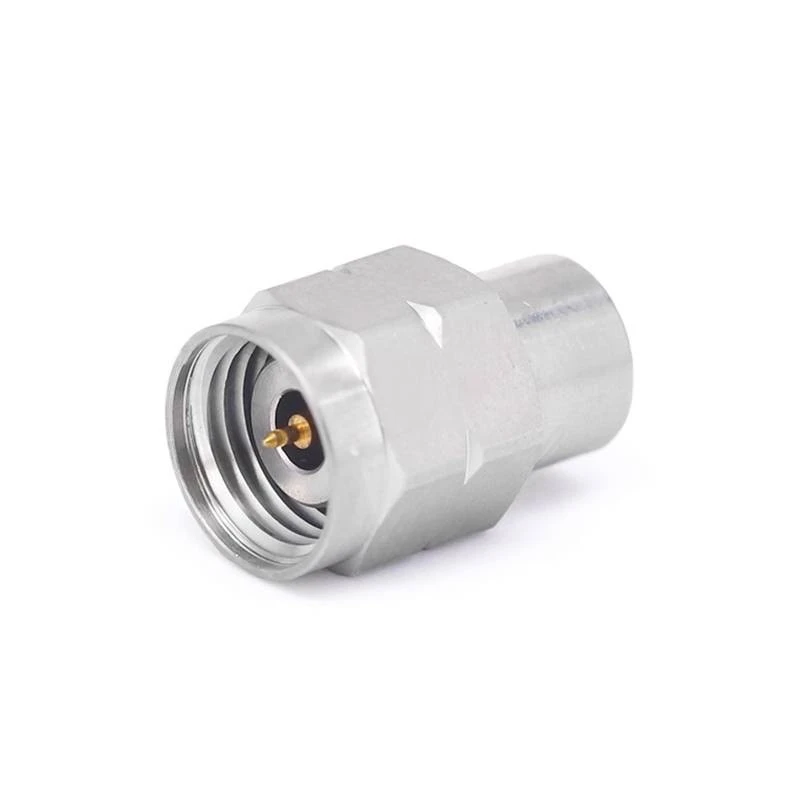
As an RF loads supplier, we have developed a range of products specifically designed for multi - band RF systems. Our Connector Loads are a prime example. These loads are engineered to provide excellent impedance matching, low VSWR, and high - power handling capabilities across multiple frequency bands.
We use advanced manufacturing processes to ensure the precision and consistency of our products. Our RF loads are made from high - quality materials that offer stable electrical properties over a wide frequency range. This allows them to perform reliably in demanding multi - band applications.
In addition, our design team takes into account the thermal management requirements of multi - band systems. Our loads are designed with efficient cooling mechanisms, such as heat sinks and ventilation channels, to ensure that they can handle high - power levels without overheating.
Testing and Validation
To ensure the performance of our RF loads in multi - band systems, we conduct rigorous testing and validation procedures. We use state - of - the - art testing equipment to measure the impedance, VSWR, and power - handling capabilities of our loads across multiple frequency bands. Our testing facilities are equipped with network analyzers, power meters, and other specialized instruments to provide accurate and reliable test results.
We also perform real - world simulations to mimic the operating conditions of multi - band RF systems. This allows us to identify any potential issues and optimize the design of our RF loads before they are released to the market.
Case Studies
Let's look at a few case studies to illustrate the performance of our RF loads in multi - band systems. In a wireless base station application, the base station needed to operate in multiple frequency bands to support different communication standards. Our RF loads were used to terminate the transmission lines in the system. The loads provided excellent impedance matching across all operating bands, resulting in a significant reduction in signal reflections. This led to improved system efficiency and better communication quality.
In another case, a military communication system required RF loads that could handle high - power levels across a wide frequency range. Our high - power RF loads were selected for the application. They were able to dissipate the RF power safely without overheating, even under continuous high - power operation. This ensured the reliability and performance of the military communication system.
Conclusion
In conclusion, RF loads play a vital role in multi - band RF systems. They need to meet strict performance requirements in terms of impedance matching, VSWR, power handling, and frequency range. As an RF loads supplier, we are committed to providing high - quality products that can meet the challenges of multi - band applications. Our Connector Loads and other RF load products are designed and tested to ensure optimal performance in multi - band RF systems.
If you are looking for reliable RF loads for your multi - band RF system, we invite you to contact us for procurement and further discussions. Our team of experts is ready to provide you with the best solutions based on your specific requirements.
References
- Pozar, D. M. (2011). Microwave Engineering. Wiley.
- Collin, R. E. (2001). Foundations for Microwave Engineering. Wiley - Interscience.
- Matthaei, G. L., Young, L., & Jones, E. M. T. (1964). Microwave Filters, Impedance - Matching Networks, and Coupling Structures. McGraw - Hill.


