
How do SMA attenuators affect the signal quality in RF systems?
Leave a message

Hey there, fellow RF enthusiasts! Today, I'm gonna dive deep into how SMA attenuators impact signal quality in RF systems. As a supplier of SMA Attenuators, I've seen firsthand how these little devices can make a big difference in the performance of RF setups.
Let's start with the basics. What exactly is an SMA attenuator? Well, an SMA attenuator is a passive device used in RF systems to reduce the power of a signal without significantly distorting its waveform. It's like a dimmer switch for your RF signals. You can find out more about SMA Attenuators on our website.
In RF systems, signal quality is of utmost importance. A high - quality signal ensures accurate data transmission, reliable communication, and proper functioning of various RF components. So, how does an SMA attenuator fit into this picture?
Impact on Signal Strength
One of the most obvious ways an SMA attenuator affects signal quality is by reducing signal strength. In some cases, the incoming signal might be too strong for the subsequent components in the RF system. For example, if you're using a sensitive receiver, a high - power signal can cause it to saturate. Saturation leads to distortion of the signal, where the receiver can no longer accurately reproduce the original signal.
An SMA attenuator steps in to bring the signal strength down to a manageable level. By reducing the power of the signal, it prevents saturation and allows the receiver to operate within its linear range. This results in a cleaner, more accurate representation of the original signal.
Let's say you have a signal with a power level of +20 dBm, but your receiver can only handle signals up to +10 dBm. By using an SMA attenuator with an attenuation value of 10 dB, you can reduce the signal power to +10 dBm, ensuring that the receiver operates properly.
Effect on Signal-to-Noise Ratio (SNR)
The signal - to - noise ratio is another crucial aspect of signal quality. SNR is the ratio of the power of the signal to the power of the background noise. A higher SNR means a cleaner signal, as there is more signal power relative to the noise.
When an SMA attenuator is used, it reduces both the signal power and the noise power. However, in some cases, this can actually improve the SNR. For instance, if the noise is mainly generated in the pre - attenuator stage, reducing the signal power with an attenuator can make the relative contribution of the post - attenuator noise less significant.
On the flip side, if the noise is generated after the attenuator, using an attenuator can degrade the SNR. This is because the signal power is reduced, while the noise power remains the same. So, it's important to carefully consider the location of the attenuator in the RF system to optimize the SNR.
Frequency Response
The frequency response of an SMA attenuator also plays a role in signal quality. An ideal attenuator would have a flat frequency response, meaning it would attenuate all frequencies in the operating band equally. However, in reality, no attenuator is perfect.
Most SMA attenuators have a specified frequency range within which they operate effectively. Outside of this range, the attenuation value may vary, and the signal may experience additional distortion. For example, at high frequencies, the parasitic effects of the attenuator's components can become more pronounced, leading to changes in the attenuation and phase characteristics of the signal.
If you're working with a wide - band RF system, it's essential to choose an SMA attenuator with a frequency response that matches your system's requirements. We also offer 1.85mm Attenuators and 2.92mm Attenuators for applications that require different frequency ranges.
Insertion Loss and Return Loss
Insertion loss is the amount of power lost when the signal passes through the attenuator. It's directly related to the attenuation value of the attenuator. A well - designed SMA attenuator should have a low insertion loss within its specified frequency range. High insertion loss can lead to a significant reduction in signal strength, which may require additional amplification later in the system.
Return loss, on the other hand, measures how well the attenuator matches the impedance of the RF system. A high return loss indicates good impedance matching, which means that less of the signal is reflected back towards the source. Reflected signals can cause interference and degrade the overall signal quality.
When selecting an SMA attenuator, it's important to look for low insertion loss and high return loss values to ensure optimal signal quality.
Phase Shift
Phase shift is another factor that can affect signal quality. When a signal passes through an SMA attenuator, it may experience a phase shift. A phase shift can cause problems in applications where the phase relationship between multiple signals is critical, such as in phased - array antennas or coherent communication systems.
The amount of phase shift depends on the design of the attenuator and the frequency of the signal. Some SMA attenuators are designed to minimize phase shift, especially for applications where phase accuracy is crucial.
Applications of SMA Attenuators
SMA attenuators are used in a wide range of RF applications. In wireless communication systems, they're used to adjust the signal strength between the transmitter and the receiver. In test and measurement setups, attenuators are used to protect sensitive equipment from high - power signals and to simulate different signal levels.
In radar systems, SMA attenuators can be used to control the power of the transmitted and received signals, ensuring proper operation of the radar components.
Choosing the Right SMA Attenuator
As a supplier of SMA Attenuators, I know that choosing the right attenuator for your RF system is crucial. Here are some factors to consider:
- Attenuation Value: Determine the amount of attenuation you need based on the signal strength requirements of your system.
- Frequency Range: Make sure the attenuator's frequency range matches your system's operating frequency.
- Power Handling Capacity: Ensure that the attenuator can handle the power of the signal without getting damaged.
- Insertion Loss and Return Loss: Look for low insertion loss and high return loss values for optimal signal quality.
- Phase Shift: If phase accuracy is important, choose an attenuator with minimal phase shift.
Conclusion
In conclusion, SMA attenuators have a significant impact on signal quality in RF systems. They can improve signal quality by reducing signal strength to prevent saturation, optimizing the SNR, and ensuring proper impedance matching. However, it's important to carefully consider the frequency response, insertion loss, return loss, and phase shift of the attenuator to achieve the best results.
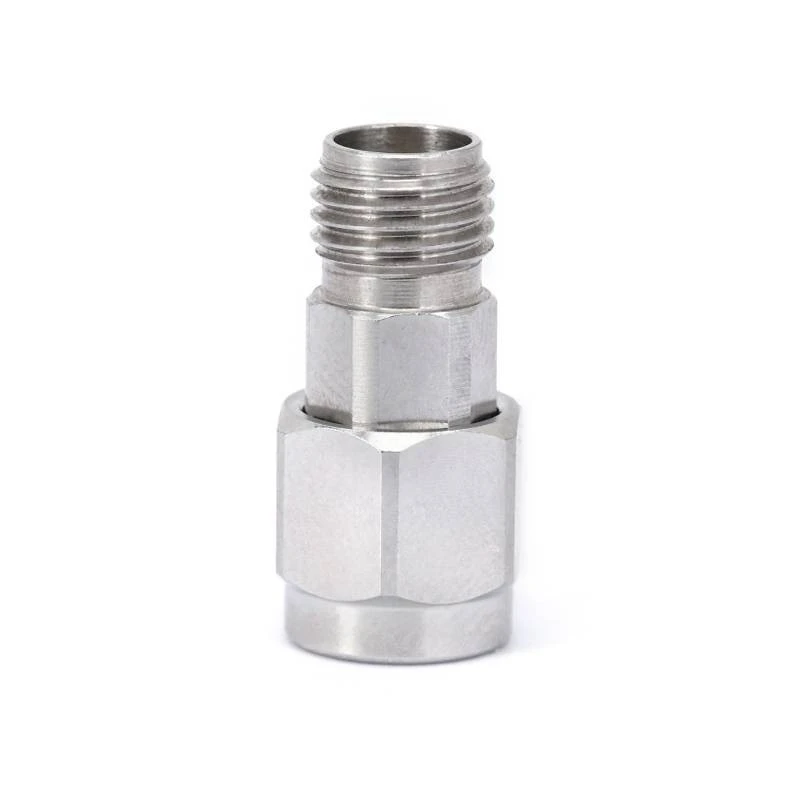
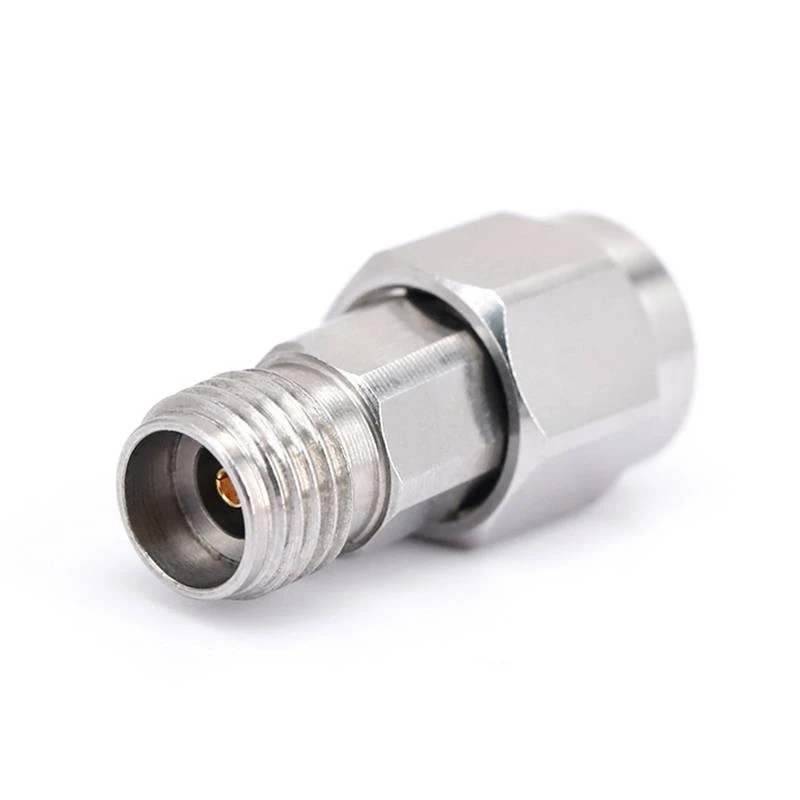
If you're in the market for high - quality SMA Attenuators or have any questions about how they can improve your RF system, don't hesitate to reach out. We're here to help you find the perfect solution for your needs. Whether you're working on a small - scale RF project or a large - scale industrial application, we've got the expertise and the products to support you. Let's have a chat and see how we can work together to enhance your RF system's performance.
References
- Pozar, D. M. (2011). Microwave Engineering. Wiley.
- Collin, R. E. (2001). Foundations for Microwave Engineering. Wiley.


