

How to match the output impedance of an RF amplifier?
Leave a message

Hey there! As a supplier of RF amplifiers, I've been getting a bunch of questions lately about how to match the output impedance of an RF amplifier. It's a crucial topic, and I'm stoked to share some insights with you.
First off, let's talk about why impedance matching is such a big deal. In the world of RF amplifiers, impedance matching is like finding the perfect dance partner. When the output impedance of the amplifier matches the impedance of the load (the device it's connected to), it ensures maximum power transfer. That means you're getting the most out of your amplifier, and you're reducing signal reflections. Signal reflections can cause all sorts of headaches, like reduced efficiency, increased noise, and even damage to your amplifier.
So, how do you go about matching the output impedance of an RF amplifier? Well, there are a few different methods, and I'll walk you through some of the most common ones.
1. Using a Matching Network
One of the most popular ways to match impedance is by using a matching network. A matching network is a circuit that's designed to transform the impedance of the amplifier to match the impedance of the load. There are several types of matching networks, but two of the most common are the L-network and the Pi-network.
The L-network is a simple and effective way to match impedance. It consists of two reactive components (either inductors or capacitors) arranged in an L shape. The values of these components are calculated based on the input and output impedances you're trying to match. For example, if your amplifier has an output impedance of 50 ohms and your load has an impedance of 25 ohms, the L-network can be designed to transform the 50-ohm impedance to 25 ohms.
The Pi-network is a bit more complex than the L-network, but it offers more flexibility. It consists of three reactive components arranged in a Pi shape. The Pi-network can be used to match a wider range of impedances and can also provide some filtering capabilities.
When designing a matching network, it's important to use high-quality components. Poor-quality components can introduce losses and affect the performance of your matching network. You can find some great RF components from reliable suppliers, which can really make a difference in the performance of your amplifier.
2. Tuning the Amplifier
Another way to match the output impedance is by tuning the amplifier itself. Some RF amplifiers have adjustable components that allow you to fine-tune the output impedance. This can be a great option if you need to make small adjustments to the impedance to achieve a better match.
For example, some amplifiers have adjustable bias settings that can affect the output impedance. By adjusting the bias, you can change the operating point of the amplifier and potentially improve the impedance match. However, it's important to be careful when tuning the amplifier, as making the wrong adjustments can cause the amplifier to operate outside of its specifications and potentially damage it.
3. Using a Transformer
Transformers can also be used to match impedance. A transformer works by changing the voltage and current levels between two circuits, which can effectively change the impedance. For example, a step-down transformer can be used to reduce the impedance of the amplifier output to match a lower-impedance load.
Transformers have some advantages over other matching methods. They can provide isolation between the amplifier and the load, which can be useful in some applications. They also have a wide bandwidth, which means they can work well over a range of frequencies. However, transformers can be bulky and expensive, especially for high-power applications.
4. Choosing the Right Amplifier
One of the simplest ways to ensure good impedance matching is to choose an amplifier that already has an output impedance that's close to the impedance of your load. At our company, we offer a wide range of RF amplifiers with different output impedances to suit various applications.
For example, if you're working on a project that requires a low-noise amplifier with a 50-ohm output impedance, we have some great options. Check out our 40GHz Low Noise Amplifiers, 18GHz Low Noise Amplifiers, and 50GHz Low Noise Amplifiers. These amplifiers are designed to provide excellent performance and are available with different output impedances to meet your needs.
Testing and Verification
Once you've implemented a method to match the output impedance, it's important to test and verify the results. You can use a network analyzer to measure the impedance and the reflection coefficient of the amplifier and the load. The reflection coefficient is a measure of how much of the signal is being reflected back from the load. A low reflection coefficient indicates a good impedance match.
If you find that the impedance match isn't as good as you'd like, you may need to make some adjustments to your matching network or amplifier settings. It may take a bit of trial and error to get the perfect match, but it's worth the effort to ensure optimal performance of your RF system.
Conclusion
Matching the output impedance of an RF amplifier is an important step in ensuring the performance and efficiency of your RF system. Whether you choose to use a matching network, tune the amplifier, use a transformer, or select the right amplifier from the start, there are several methods available to help you achieve a good impedance match.
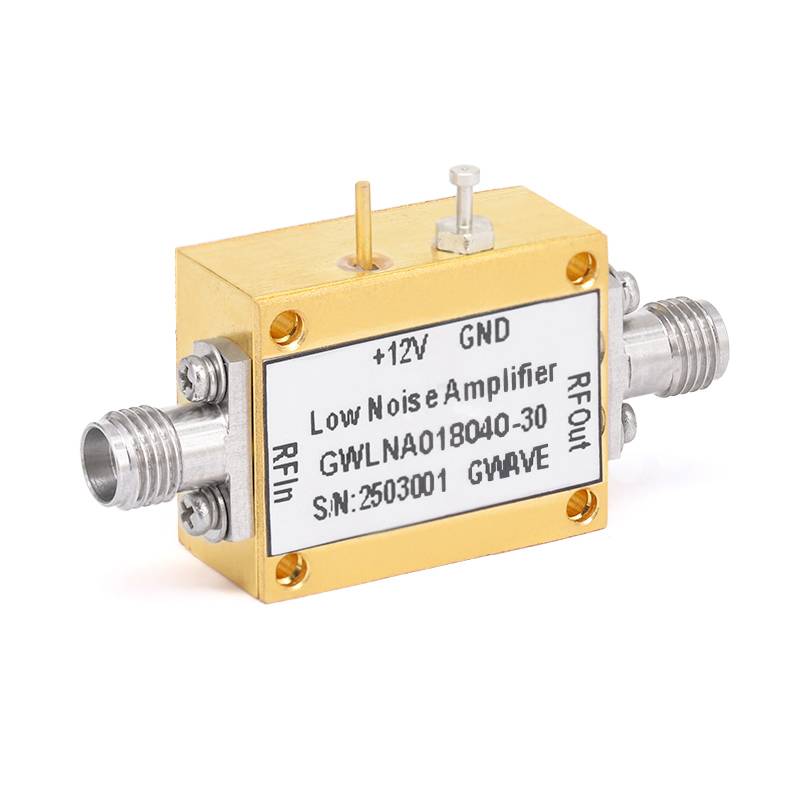
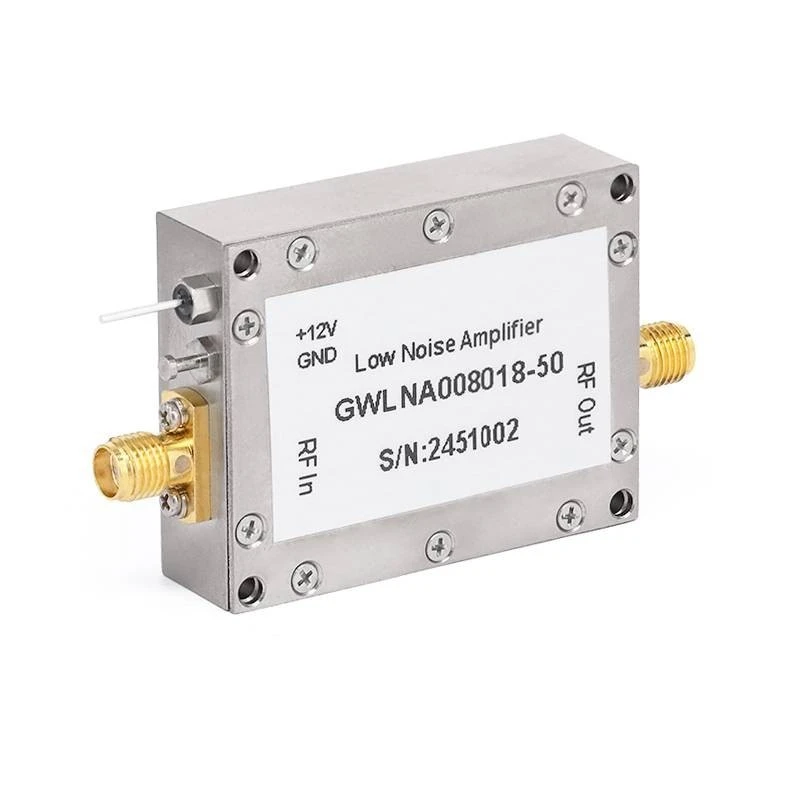
If you're still having trouble with impedance matching or if you're looking for the right RF amplifier for your project, don't hesitate to reach out. We're here to help you find the best solutions for your RF needs. Whether you're a hobbyist working on a small project or a professional in the industry, we have the expertise and the products to support you. So, feel free to contact us for more information and to start a discussion about your RF amplifier requirements.
References
- Pozar, D. M. (2011). Microwave Engineering. Wiley.
- Collin, R. E. (2001). Foundations for Microwave Engineering. McGraw-Hill.


