

What are the RF attenuators for wireless communication applications?
Leave a message

In the world of wireless communication, RF attenuators play a crucial role. As a supplier of RF attenuators, I've seen firsthand how these devices are used in a wide range of applications. So, what exactly are RF attenuators for wireless communication applications? Let's dive in and find out.
What are RF Attenuators?
First off, let's get the basics down. RF (Radio Frequency) attenuators are electronic devices designed to reduce the power of an RF signal without significantly distorting its waveform. They work by dissipating the excess power in the form of heat. You can think of them as the volume knobs for RF signals, allowing you to control the signal strength as needed.
Why are They Needed in Wireless Communication?
There are several reasons why RF attenuators are essential in wireless communication.
Signal Level Adjustment
One of the primary uses of RF attenuators is to adjust the signal level. In wireless systems, the strength of the incoming or outgoing signal may need to be adjusted to match the requirements of different components. For example, a receiver may not be able to handle a very strong signal without getting overloaded. By using an attenuator, we can reduce the signal strength to a level that the receiver can safely process.
Testing and Calibration
RF attenuators are also widely used in testing and calibration of wireless equipment. When testing a wireless device, it's often necessary to simulate different signal strengths. Attenuators allow us to do this by precisely controlling the amount of signal reduction. This helps in accurately evaluating the performance of the device under various conditions.
Isolation and Matching
In some cases, RF attenuators are used to provide isolation between different parts of a wireless system. They can also help in impedance matching, which is crucial for ensuring maximum power transfer between components. By using an attenuator, we can reduce reflections and improve the overall efficiency of the system.
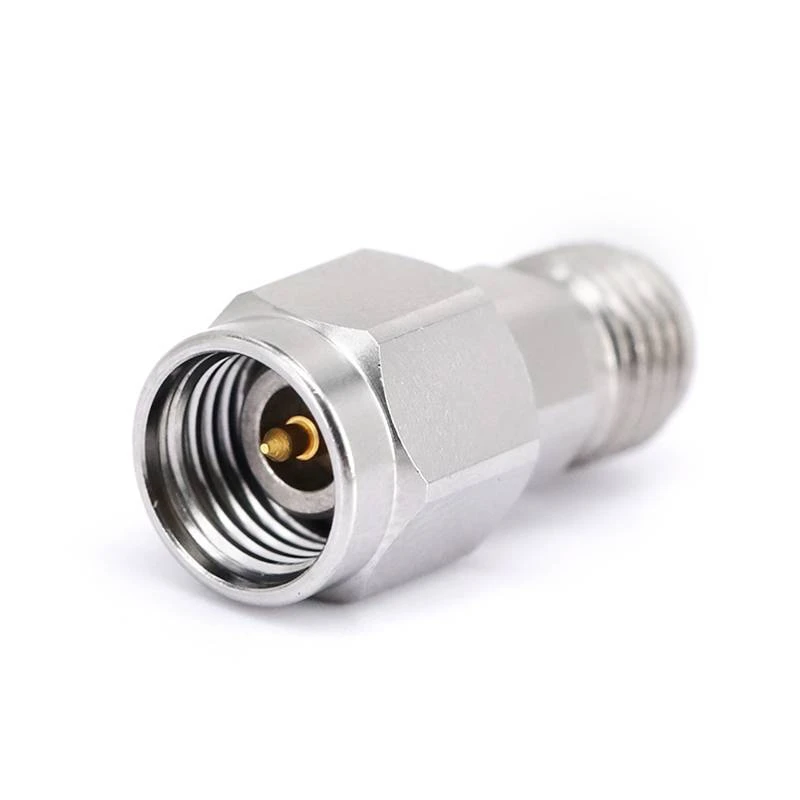
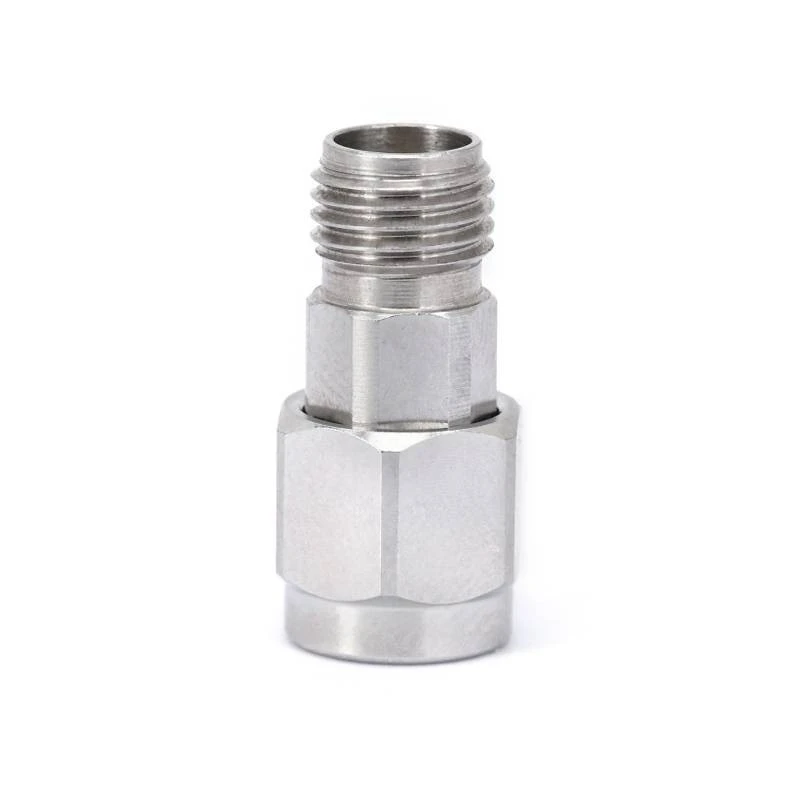
Types of RF Attenuators for Wireless Communication
There are several types of RF attenuators available, each with its own characteristics and applications.
Fixed Attenuators
Fixed attenuators provide a constant level of attenuation. They are simple, reliable, and cost - effective. These are commonly used in applications where the signal level needs to be reduced by a specific, unchanging amount. For example, in a wireless base station, fixed attenuators can be used to adjust the signal strength between different amplifier stages.
Variable Attenuators
Variable attenuators, as the name suggests, allow for adjustable attenuation. They are useful in situations where the signal level needs to be changed dynamically. For instance, in a test environment, a variable attenuator can be adjusted to simulate different real - world signal conditions.
Step Attenuators
Step attenuators provide attenuation in discrete steps. They offer a compromise between the simplicity of fixed attenuators and the adjustability of variable attenuators. Step attenuators are often used in applications where a limited number of attenuation levels are required, such as in some wireless measurement setups.
Popular Connector Types for RF Attenuators in Wireless Communication
The choice of connector type for an RF attenuator depends on the specific application and the equipment it will be used with. Here are some popular ones:
2.92mm Attenuators
The 2.92mm connectors are known for their excellent electrical performance at high frequencies. They are commonly used in applications where high - frequency signals need to be attenuated, such as in millimeter - wave wireless communication systems. If you're interested in 2.92mm Attenuators, you can check out our product range 2.92mm Attenuators.
2.4mm Attenuators
Similar to the 2.92mm connectors, 2.4mm connectors are designed for high - frequency applications. They offer even better performance at extremely high frequencies compared to 2.92mm connectors. For applications in the latest 5G and beyond wireless technologies that operate at very high frequencies, 2.4mm Attenuators are a great choice. You can find more about our 2.4mm Attenuators 2.4mm Attenuators.
SMA Attenuators
SMA (Sub - Miniature version A) connectors are one of the most widely used connector types in RF applications. They are compact, easy to use, and offer good performance over a wide range of frequencies. SMA Attenuators are commonly used in wireless communication devices, such as Wi - Fi routers, mobile phones, and small - scale wireless transceivers. Check out our SMA Attenuators SMA Attenuators.
Applications of RF Attenuators in Wireless Communication
RF attenuators find their applications in various aspects of wireless communication.
Cellular Networks
In cellular networks, RF attenuators are used in base stations to adjust the signal strength between different components, such as power amplifiers and antennas. They help in optimizing the performance of the base station and ensuring reliable communication with mobile devices.
Wi - Fi Networks
In Wi - Fi routers, attenuators can be used to control the signal strength to avoid interference with neighboring networks. They can also be used in Wi - Fi testing equipment to simulate different signal conditions.
Satellite Communication
Satellite communication systems often operate in harsh environments with high - power signals. RF attenuators are used to protect sensitive components from over - powering and to adjust the signal levels for proper reception and transmission.
Choosing the Right RF Attenuator
When choosing an RF attenuator for a wireless communication application, several factors need to be considered.
Frequency Range
The frequency range of the attenuator should match the operating frequency of the wireless system. Different types of attenuators are designed to work effectively within specific frequency bands.
Attenuation Value
The required attenuation value depends on the specific application. It's important to choose an attenuator that can provide the right amount of signal reduction.
Power Handling
The power handling capacity of the attenuator is also crucial. It should be able to handle the power of the RF signal without getting damaged.
Conclusion
In conclusion, RF attenuators are indispensable components in wireless communication. They play a vital role in signal level adjustment, testing, isolation, and impedance matching. With different types and connector options available, there is an RF attenuator suitable for every wireless communication application.
If you're in the market for high - quality RF attenuators for your wireless communication needs, we're here to help. We offer a wide range of RF attenuators, including those with 2.92mm, 2.4mm, and SMA connectors. Contact us to discuss your requirements and start a procurement discussion. We're confident that we can provide you with the right solutions for your wireless projects.
References
- Pozar, D. M. (2011). Microwave Engineering. Wiley.
- Collin, R. E. (2001). Foundations for Microwave Engineering. Wiley.


