

What is the cost of a DC block?
Leave a message

In the dynamic landscape of electrical engineering and power management, DC blocks play a crucial role in ensuring the safe and efficient operation of various systems. As a dedicated supplier of DC blocks, I have witnessed firsthand the growing demand for these essential components across a wide range of industries. In this blog post, I will delve into the intricacies of DC blocks, exploring their functions, applications, and most importantly, the factors that contribute to their cost.
Understanding DC Blocks
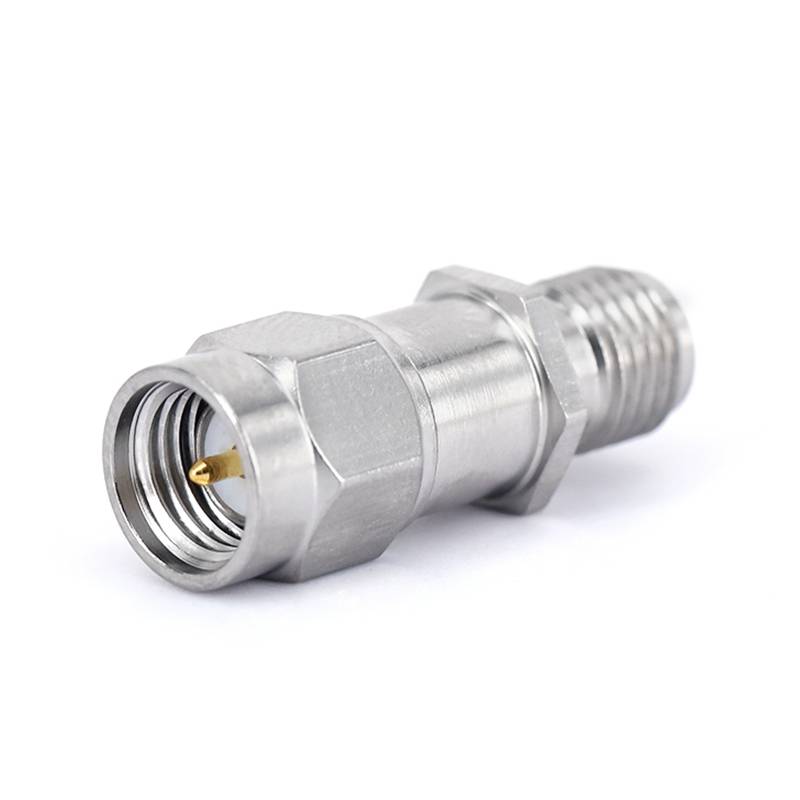
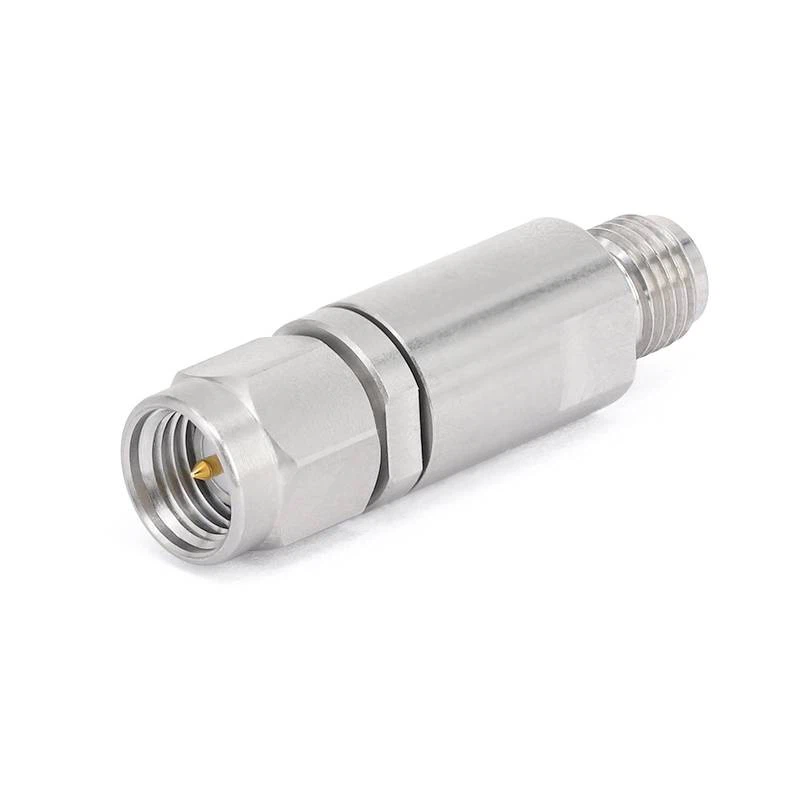
Before we dive into the cost analysis, let's first understand what DC blocks are and how they work. A DC block, also known as a DC isolation capacitor or a DC blocking capacitor, is an electronic component designed to block direct current (DC) while allowing alternating current (AC) to pass through. This is achieved by utilizing the properties of capacitors, which store and release electrical energy in an alternating manner.
DC blocks are commonly used in a variety of applications, including radio frequency (RF) circuits, power supplies, and communication systems. In RF circuits, for example, DC blocks are used to prevent DC bias from affecting the performance of sensitive components such as amplifiers and mixers. In power supplies, DC blocks are used to isolate the DC component of the input voltage from the output voltage, ensuring that only the desired AC signal is passed through.
Factors Affecting the Cost of DC Blocks
The cost of a DC block can vary significantly depending on several factors, including the following:
1. Capacitance Value
The capacitance value of a DC block is one of the primary factors that determine its cost. Capacitance is a measure of a capacitor's ability to store electrical energy, and it is typically measured in farads (F). Higher capacitance values generally require larger and more expensive capacitors, which can drive up the cost of the DC block.
2. Voltage Rating
The voltage rating of a DC block is another important factor that affects its cost. The voltage rating indicates the maximum voltage that the DC block can withstand without breaking down. Higher voltage ratings require capacitors with thicker dielectric materials, which can increase the cost of the component.
3. Frequency Range
The frequency range of a DC block refers to the range of frequencies over which it can effectively block DC and pass AC. DC blocks designed for use in high-frequency applications, such as RF circuits, typically require specialized capacitors with low parasitic inductance and capacitance, which can be more expensive than standard capacitors.
4. Tolerance
Tolerance is a measure of the accuracy of a capacitor's capacitance value. Capacitors with lower tolerance values are more precise and generally more expensive than those with higher tolerance values. In applications where precise capacitance values are required, such as in high-performance RF circuits, the cost of the DC block may be higher due to the need for capacitors with low tolerance.
5. Package Type
The package type of a DC block refers to the physical form in which it is packaged. DC blocks are available in a variety of package types, including surface mount technology (SMT) and through-hole technology (THT). SMT packages are smaller and more compact than THT packages, which can make them more suitable for use in high-density circuit boards. However, SMT packages can also be more expensive to manufacture, which can increase the cost of the DC block.
6. Brand and Quality
The brand and quality of a DC block can also have a significant impact on its cost. Well-established brands with a reputation for producing high-quality components typically charge a premium for their products. However, investing in a high-quality DC block can often result in better performance, reliability, and longevity, which can ultimately save money in the long run.
Cost Comparison of Different Types of DC Blocks
To illustrate the impact of these factors on the cost of DC blocks, let's compare the prices of different types of DC blocks available on the market. The following table provides a general overview of the cost range for DC blocks based on their capacitance value, voltage rating, and frequency range:
| Capacitance Value | Voltage Rating | Frequency Range | Cost Range |
|---|---|---|---|
| 10 pF - 100 pF | 50 V - 100 V | DC - 1 GHz | $0.10 - $1.00 |
| 100 pF - 1 nF | 100 V - 250 V | DC - 10 GHz | $1.00 - $10.00 |
| 1 nF - 10 nF | 250 V - 500 V | DC - 100 GHz | $10.00 - $100.00 |
| 10 nF - 100 nF | 500 V - 1000 V | DC - 1 GHz | $100.00 - $1000.00 |
It's important to note that these cost ranges are approximate and can vary depending on the specific brand, quality, and other factors mentioned above. Additionally, the cost of DC blocks may also be affected by market conditions, such as supply and demand, and fluctuations in raw material prices.
Applications of DC Blocks
DC blocks are used in a wide range of applications across various industries, including:
1. Radio Frequency (RF) Circuits
In RF circuits, DC blocks are used to isolate the DC bias from the RF signal, preventing it from affecting the performance of sensitive components such as amplifiers, mixers, and filters. Inner DC Blocks are particularly useful in RF circuits due to their ability to provide high isolation and low insertion loss.
2. Power Supplies
In power supplies, DC blocks are used to isolate the DC component of the input voltage from the output voltage, ensuring that only the desired AC signal is passed through. This helps to reduce noise and interference in the power supply, improving its overall performance and reliability.
3. Communication Systems
In communication systems, DC blocks are used to separate the DC and AC components of the signal, allowing for efficient transmission and reception of data. They are commonly used in applications such as wireless communication, satellite communication, and fiber optic communication.
4. Test and Measurement Equipment
In test and measurement equipment, DC blocks are used to isolate the DC component of the signal from the measurement circuit, ensuring accurate and reliable measurements. They are commonly used in applications such as oscilloscopes, spectrum analyzers, and network analyzers.
Conclusion
In conclusion, the cost of a DC block is influenced by several factors, including capacitance value, voltage rating, frequency range, tolerance, package type, brand, and quality. By understanding these factors, you can make an informed decision when selecting a DC block for your specific application. As a supplier of DC blocks, we offer a wide range of products to meet the diverse needs of our customers. Whether you are looking for a high-performance DC block for an RF circuit or a reliable DC block for a power supply, we have the expertise and resources to provide you with the right solution at a competitive price.
If you are interested in learning more about our DC blocks or would like to discuss your specific requirements, please do not hesitate to contact us. Our team of experts is always available to provide you with technical support and assistance. We look forward to the opportunity to work with you and help you find the perfect DC block for your application.
References
- "Capacitor Basics," Electronics Tutorials, https://www.electronics-tutorials.ws/capacitor/cap_1.html
- "DC Blocking Capacitors," RF Cafe, https://www.rfcafe.com/references/electrical/dc-blocking-capacitors.htm
- "Understanding Capacitance and Tolerance," Mouser Electronics, https://www.mouser.com/applications/understanding-capacitance-and-tolerance/


