

What is the frequency range of phase trimmers?
Leave a message

Hey there! As a supplier of Phase Trimmers, I often get asked about the frequency range of phase trimmers. In this blog post, I'll break down what that frequency range is, why it matters, and how it impacts your projects.
What Are Phase Trimmers?
First off, let's quickly go over what phase trimmers are. They're components used in electronic circuits to adjust the phase of an electrical signal. Think of it like fine - tuning the timing of a signal. In a lot of RF (radio frequency) and microwave applications, getting the phase just right is super important for things like signal processing, communication systems, and radar.
Understanding Frequency Range
The frequency range of phase trimmers refers to the span of frequencies over which the trimmer can effectively adjust the phase of a signal. It's usually specified in hertz (Hz), kilohertz (kHz), megahertz (MHz), or gigahertz (GHz).
The frequency range can vary widely depending on the type and design of the phase trimmer. Some phase trimmers are designed for low - frequency applications, like those in audio circuits, where the frequencies might be in the range of a few Hz to a few kHz. For example, in an audio equalizer circuit, you might use a phase trimmer to adjust the phase of different frequency bands to enhance the sound quality.
On the other hand, there are phase trimmers built for high - frequency applications. In RF and microwave systems, the frequency range can be anywhere from a few MHz up to several GHz. For instance, in a 5G communication system, phase trimmers are used to adjust the phase of signals operating in the GHz range to ensure proper signal transmission and reception.
Factors Affecting the Frequency Range
There are several factors that determine the frequency range of a phase trimmer.
1. Component Design
The physical design of the phase trimmer plays a huge role. The materials used, the size of the components, and the way they're arranged all impact how well the trimmer can handle different frequencies. For example, a trimmer with smaller physical dimensions is generally better suited for high - frequency applications because it has less parasitic capacitance and inductance, which can cause signal losses and distortion at high frequencies.
2. Dielectric Material
The dielectric material used in the phase trimmer also affects its frequency range. Different dielectric materials have different electrical properties, such as permittivity and loss tangent. Materials with low loss tangents are preferred for high - frequency applications because they minimize signal losses. For example, ceramic dielectrics are commonly used in high - frequency phase trimmers due to their relatively low loss and good stability over a wide frequency range.
3. Manufacturing Process
The manufacturing process can introduce variations in the electrical characteristics of the phase trimmer. Precise manufacturing techniques are required to ensure that the trimmer has a consistent frequency response over its specified range. Any inconsistencies in the manufacturing process can lead to variations in the phase adjustment performance at different frequencies.

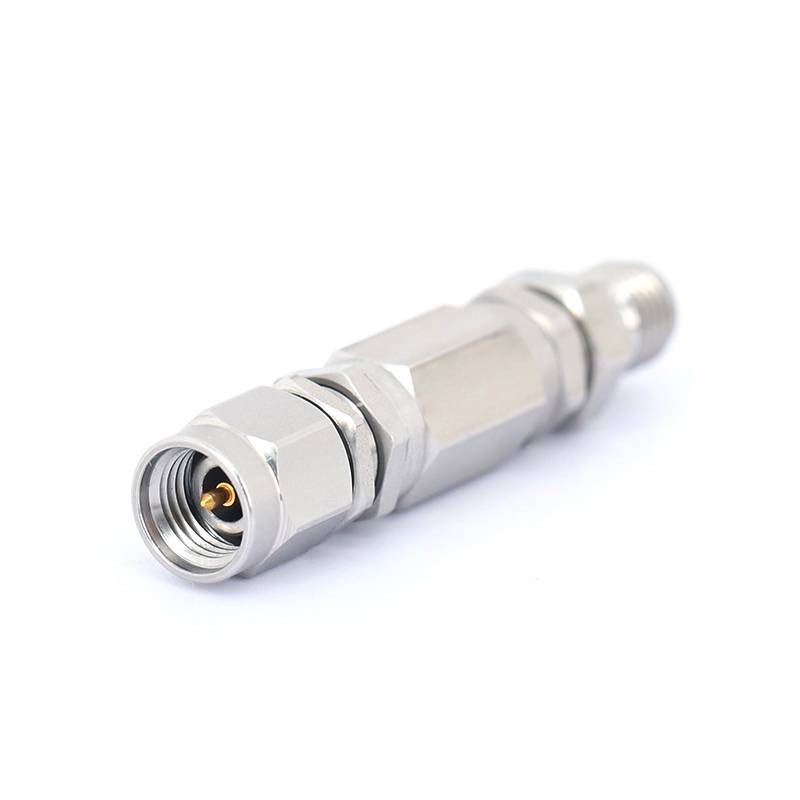
Why the Frequency Range Matters
The frequency range of a phase trimmer is crucial for several reasons.
1. Compatibility with the System
You need to make sure that the phase trimmer you choose has a frequency range that matches the operating frequency of your system. If you use a phase trimmer with a frequency range that's too low for your application, it won't be able to adjust the phase of the high - frequency signals effectively. On the other hand, using a high - frequency phase trimmer in a low - frequency application might be overkill and could also be more expensive.
2. Signal Integrity
A phase trimmer operating within its specified frequency range helps maintain the integrity of the signal. If the frequency of the signal is outside the trimmer's range, it can cause phase errors, signal attenuation, and distortion. This can lead to poor performance in your system, such as reduced communication range in a wireless system or inaccurate data transmission.
3. System Performance
The right frequency range ensures that your system operates at its best. In a radar system, for example, accurate phase adjustment of the RF signals is essential for target detection and tracking. Using a phase trimmer with the appropriate frequency range helps improve the overall performance and reliability of the system.
Common Frequency Ranges in the Market
In the market, you can find phase trimmers with a wide variety of frequency ranges.
- Low - Frequency Phase Trimmers: These typically cover a range from a few Hz to a few hundred kHz. They're commonly used in audio equipment, power supplies, and some low - speed communication systems.
- Medium - Frequency Phase Trimmers: The frequency range for these is usually from a few hundred kHz to a few hundred MHz. They're used in applications like AM/FM radio receivers, some wireless communication systems operating in the VHF (very high frequency) band, and some test and measurement equipment.
- High - Frequency Phase Trimmers: These can handle frequencies from a few hundred MHz up to several GHz. They're essential in modern RF and microwave systems, including 5G communication, satellite communication, and radar systems.
How to Choose the Right Frequency Range
When choosing a phase trimmer for your project, here are some steps to follow:
1. Determine Your System's Operating Frequency
First, figure out the frequency at which your system will be operating. This might involve looking at the specifications of other components in your system, such as the oscillator or the antenna.
2. Consider the Frequency Tolerance
You also need to consider the frequency tolerance of your system. Some applications require very precise phase adjustment over a narrow frequency range, while others can tolerate a bit more variation. Make sure the phase trimmer you choose can meet your system's tolerance requirements.
3. Look at the Application Requirements
Think about the specific requirements of your application. If it's a high - speed communication system, you'll need a phase trimmer with a wide and stable frequency range. If it's a simple audio circuit, a low - frequency trimmer might be sufficient.
Our Phase Trimmers and Their Frequency Ranges
As a supplier of Phase Trimmers, we offer a wide range of products with different frequency ranges to meet various customer needs. Our low - frequency phase trimmers are great for audio and low - speed applications, while our high - frequency trimmers are designed to handle the demanding requirements of modern RF and microwave systems.
We take pride in the quality of our products. Our phase trimmers are manufactured using the latest technology and high - quality materials to ensure consistent performance over their specified frequency ranges. Whether you're working on a small DIY project or a large - scale industrial application, we have the right phase trimmer for you.
Contact Us for Your Phase Trimmer Needs
If you're in the market for phase trimmers and need help choosing the right frequency range for your project, don't hesitate to reach out. Our team of experts is here to assist you in finding the perfect solution. Whether you have questions about our products, need technical support, or want to discuss a custom order, we're just a message away.
We understand that every project is unique, and we're committed to providing you with the best phase trimmers that meet your specific requirements. So, start a conversation with us today and let's work together to make your project a success.
References
- Smith, J. (2018). RF Circuit Design. Wiley.
- Pozar, D. M. (2012). Microwave Engineering. Wiley.


