

What is the group delay of RF loads?
Leave a message

Yo, what's up everyone! I'm here, working with a rad RF loads supplier, and today we're gonna dig deep into the topic of "What is the group delay of RF loads?" It might sound a bit technical at first, but trust me, by the end of this blog, you'll have a solid grasp of it.
So, let's start with the basics. RF loads are super important in the world of radio frequency. They're used to absorb power in RF circuits, kind of like a sponge soaking up water. They help in testing, calibration, and making sure that RF systems work smoothly. But what about group delay?
Group delay is all about how different frequencies in an RF signal travel through a device, in this case, an RF load. You see, an RF signal isn't just one single frequency. It's made up of a bunch of different frequencies all mashed together. And each of these frequencies can travel at a slightly different speed through the RF load.
When we talk about group delay, we're looking at the time it takes for the "group" of frequencies in the signal to pass through the load. It's not just about the time delay of one frequency, but how the whole group behaves. A constant group delay across all frequencies in the signal is ideal. Why? Well, if the group delay varies too much, it can cause distortion in the signal. And nobody wants that, especially when you're dealing with high - precision RF systems.
Let's think of it in a more relatable way. Imagine you're at a race track, and you have a group of runners. Each runner represents a different frequency in the RF signal. If all the runners run at the same speed, they'll all cross the finish line at the same time. That's like having a constant group delay. But if some runners are faster than others, they'll cross the finish line at different times, and the group will be all spread out. That's similar to what happens when there's a large variation in group delay in an RF load.
Now, why does group delay matter in RF loads? Well, in many RF applications, like wireless communication systems, radar, and satellite communication, accurate signal transmission is crucial. A small change in group delay can lead to errors in data transmission, reduced signal quality, and even system failure.
For example, in a wireless communication system, if the group delay is not consistent, the different frequencies in the signal can arrive at the receiver at different times. This can cause inter - symbol interference, where the symbols in the digital signal overlap, making it hard for the receiver to decode the message correctly.
As an RF loads supplier, we understand the importance of keeping the group delay in check. We use advanced manufacturing techniques and high - quality materials to ensure that our RF loads have a low and consistent group delay. Our team of experts is constantly working on improving the design of our loads to minimize any variations in group delay.
One of the products we offer is the Connector Loads. These loads are designed with precision to provide excellent performance in terms of group delay. They're perfect for applications where you need a reliable and stable RF load.
The Connector Loads are built to handle different power levels and frequencies. Whether you're working on a small - scale RF project or a large - scale industrial application, these loads can meet your needs. They're also easy to install and maintain, which is a big plus for our customers.
When it comes to measuring the group delay of RF loads, we use state - of - the - art testing equipment. We test each load thoroughly to make sure it meets our strict quality standards. This way, we can guarantee that our customers are getting a product that will perform as expected.
We also know that every customer has different requirements. That's why we offer customization options for our RF loads. If you need a load with a specific group delay characteristic or other performance parameters, we can work with you to develop a custom solution.
Another thing to keep in mind is that the group delay of an RF load can be affected by external factors. Temperature, for example, can have an impact on the performance of the load. As the temperature changes, the electrical properties of the materials in the load can change, which can in turn affect the group delay. That's why we design our loads to be temperature - stable, so they can maintain a consistent group delay even in different environmental conditions.
In addition to temperature, the frequency range of the RF signal also plays a role in the group delay. Different frequency ranges can have different group delay characteristics. That's why we offer a wide range of RF loads that are optimized for different frequency bands. Whether you're working in the low - frequency range or the high - frequency range, we have a load that's right for you.
So, if you're in the market for RF loads and you're concerned about group delay, you've come to the right place. Our products are designed to provide you with the best possible performance in terms of group delay and other important parameters.
If you're interested in learning more about our RF loads or have any questions about group delay, don't hesitate to reach out to us. We're always happy to help and have a team of experts ready to assist you. Whether you're a small business owner, an engineer working on a project, or a researcher in the field of RF technology, we can provide you with the right solution for your needs.
We believe that our commitment to quality and customer satisfaction sets us apart from other RF loads suppliers. We're not just selling products; we're providing a service to help you achieve your goals in the world of RF technology. So, if you're looking for reliable RF loads with excellent group delay characteristics, give us a chance to show you what we can do.

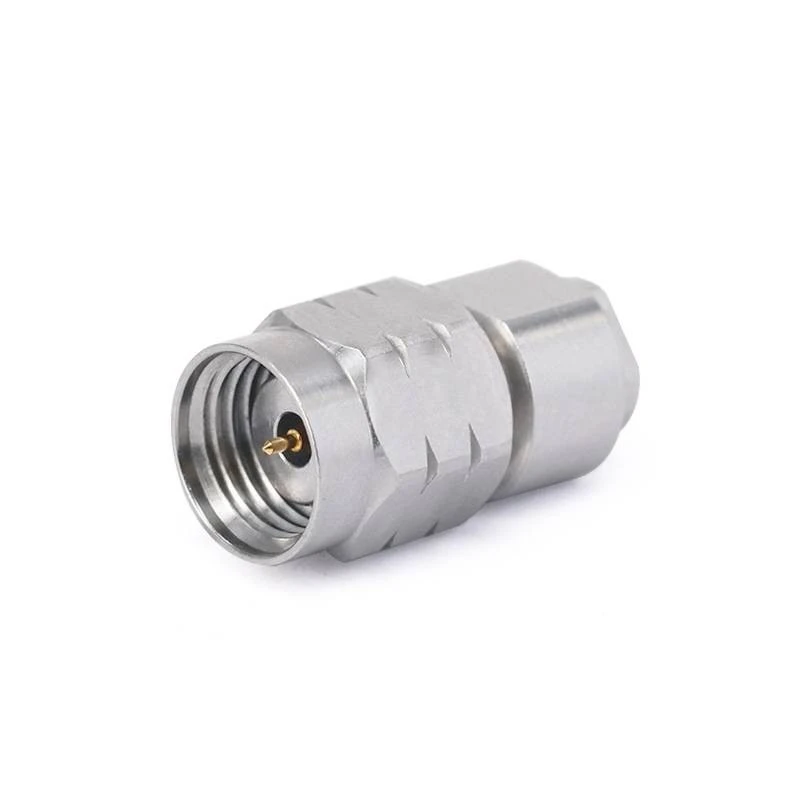
In conclusion, group delay is a critical factor in the performance of RF loads. It can have a big impact on the quality of RF signals and the overall performance of RF systems. As an RF loads supplier, we're dedicated to providing high - quality products that have a low and consistent group delay. Our Connector Loads are just one example of our commitment to excellence. If you're in the market for RF loads, we encourage you to contact us to discuss your requirements and see how we can help you.
References
- Smith, J. (2020). RF Engineering Handbook. Publisher X.
- Johnson, A. (2019). Fundamentals of Radio Frequency Technology. Publisher Y.


