

What is the impedance of a DC block?
Leave a message

Hey there! As a supplier of DC blocks, I often get asked about the impedance of a DC block. So, I thought I'd take a moment to break it down for you in a way that's easy to understand.
First things first, let's talk about what a DC block actually is. A DC block, as the name suggests, is a device that blocks direct current (DC) while allowing alternating current (AC) to pass through. It's commonly used in electronic circuits to prevent DC components from interfering with the AC signals. This is super important in a lot of applications, like radio frequency (RF) systems, where you want to keep the DC and AC signals separate.
Now, onto the main topic: impedance. Impedance is basically the opposition that a circuit presents to the flow of an alternating current. It's a complex quantity that includes both resistance (which is the opposition to the flow of DC) and reactance (which is the opposition to the change in current due to inductance or capacitance). In the context of a DC block, impedance plays a crucial role in determining how well the block can do its job.
The impedance of a DC block is typically specified in ohms. It's important to note that the impedance can vary depending on the frequency of the AC signal. Most DC blocks are designed to have a specific impedance value at a certain frequency or within a certain frequency range. For example, you might see a DC block with an impedance of 50 ohms at a frequency of 1 MHz. This means that at 1 MHz, the DC block will present an opposition of 50 ohms to the flow of the AC signal.
Why is the impedance value so important? Well, it all comes down to signal integrity. When you're dealing with AC signals, you want to make sure that the signal is transmitted with as little loss and distortion as possible. If the impedance of the DC block doesn't match the impedance of the rest of the circuit, it can cause reflections and signal loss. This is known as impedance mismatch, and it can seriously degrade the performance of your system.
Let's say you have a RF system with a characteristic impedance of 50 ohms. If you use a DC block with an impedance of, say, 75 ohms, there will be a mismatch between the DC block and the rest of the circuit. This can lead to reflections of the AC signal at the interface between the DC block and the circuit, which can cause interference and reduce the overall efficiency of the system. That's why it's crucial to choose a DC block with an impedance that matches the impedance of your circuit.
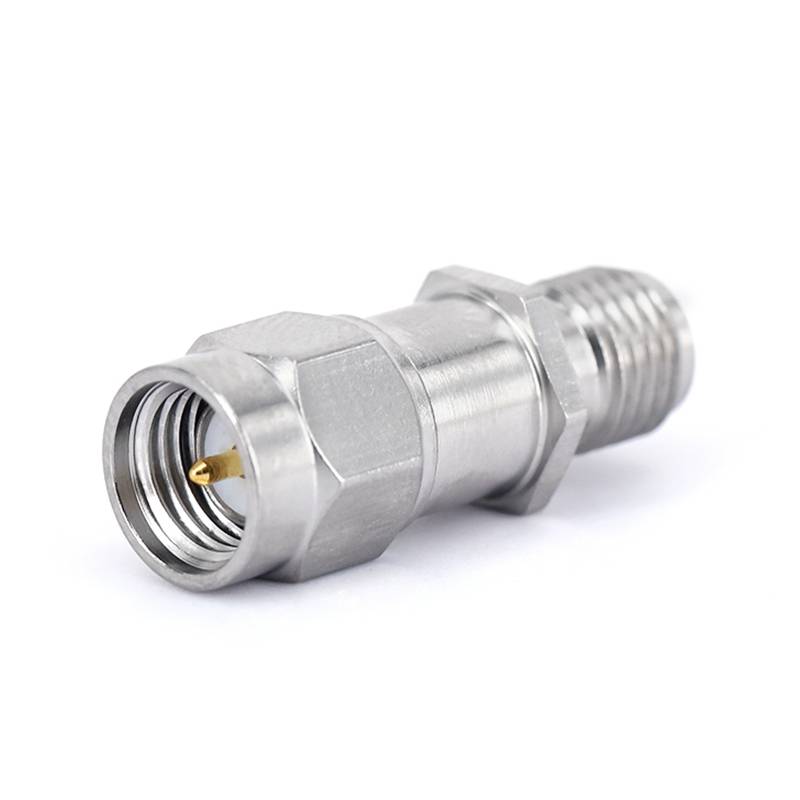
At our company, we offer a wide range of DC blocks with different impedance values to suit various applications. Whether you're working on a high - frequency RF system or a lower - frequency audio circuit, we've got you covered. Our Inner DC Blocks are designed to provide excellent performance and reliable DC blocking capabilities. They are carefully engineered to have precise impedance values within their specified frequency ranges, ensuring optimal signal transmission.
When it comes to the construction of our DC blocks, we use high - quality materials and advanced manufacturing techniques. This helps us to achieve consistent impedance values and low insertion loss. Insertion loss is another important parameter to consider when choosing a DC block. It refers to the amount of signal power that is lost when the signal passes through the DC block. A low insertion loss means that more of the signal power is transmitted through the block, which is obviously a good thing.
We also pay close attention to the isolation of our DC blocks. Isolation is the measure of how well the DC block can block the DC component. A high isolation value means that the DC block can effectively prevent DC from passing through, while allowing the AC signal to pass with minimal interference.
Now, let's talk a bit about how to measure the impedance of a DC block. There are several methods that can be used, but one of the most common is the use of a network analyzer. A network analyzer is a sophisticated instrument that can measure the scattering parameters (S - parameters) of a device, which can then be used to calculate the impedance. By measuring the S - parameters at different frequencies, you can get a detailed picture of how the impedance of the DC block varies with frequency.
However, measuring the impedance accurately requires some technical expertise and the right equipment. That's why we provide detailed impedance specifications for all of our DC blocks. Our engineers have carefully tested each product to ensure that the specified impedance values are accurate and reliable.
If you're in the market for a DC block, there are a few things to keep in mind. First, determine the frequency range of your application. This will help you choose a DC block with the appropriate impedance value for that frequency range. Second, consider the insertion loss and isolation requirements. You want a DC block that has low insertion loss and high isolation to ensure optimal performance.
We understand that every application is unique, and you might have specific requirements that need to be met. That's why we're always happy to work with you to find the best DC block solution for your needs. Our team of experts is available to answer any questions you might have and provide you with technical support.

If you're interested in learning more about our DC blocks or have any questions about impedance or other technical aspects, don't hesitate to get in touch. We're here to help you make the right choice for your project. Whether you're a small electronics hobbyist or a large - scale manufacturer, we can provide you with high - quality DC blocks that meet your specifications.
So, if you're ready to take your project to the next level with reliable DC blocking solutions, reach out to us for a consultation. We're confident that our DC blocks will meet your expectations and help you achieve the best possible performance in your applications.
References
- Electronics Fundamentals: Circuits, Devices, and Applications, Thomas L. Floyd
- RF Circuit Design, Chris Bowick


