

What is the power handling capacity of DC blocks?
Leave a message

Hey there! As a supplier of DC blocks, I often get asked about the power handling capacity of these nifty little devices. So, I thought I'd take a deep dive into this topic and share some insights with you all.
First off, let's understand what DC blocks are. DC blocks are electronic components that are used to block direct current (DC) while allowing alternating current (AC) to pass through. They're super useful in a whole bunch of applications, like in radio frequency (RF) systems, where you don't want DC to interfere with the AC signals.
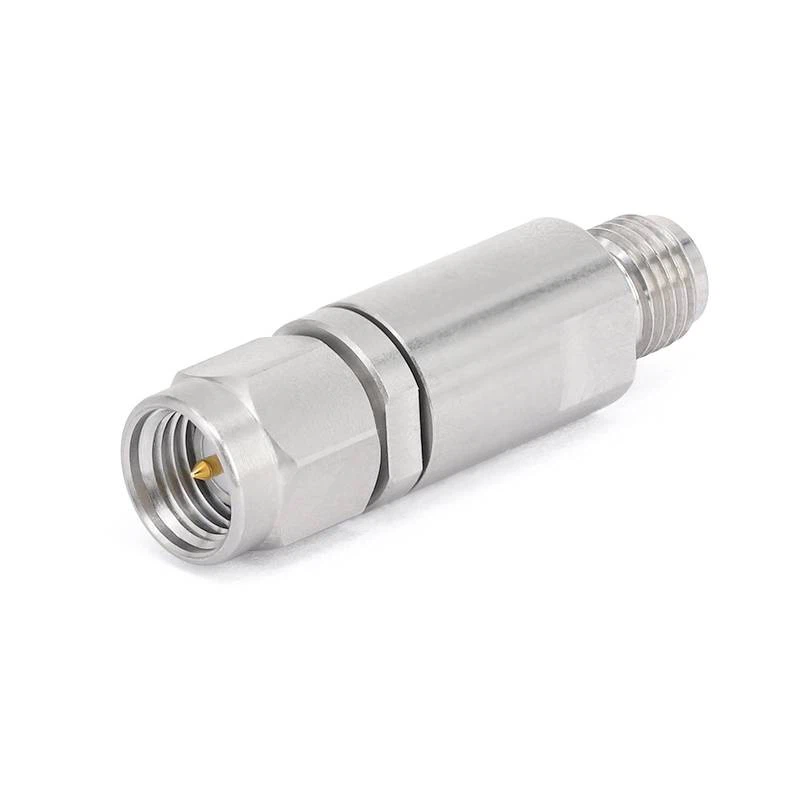

Now, onto the main question: what's the power handling capacity of DC blocks? Well, it's not a one - size - fits - all answer. The power handling capacity of a DC block can vary quite a bit depending on several factors.
One of the key factors is the design of the DC block. Different designs are built to handle different levels of power. For example, some DC blocks are designed for low - power applications, like in small consumer electronics. These might have a power handling capacity in the range of a few milliwatts to a couple of watts. On the other hand, there are high - power DC blocks that are used in industrial or telecommunications applications. These can handle power levels in the tens or even hundreds of watts.
The materials used in the construction of the DC block also play a big role. High - quality materials can withstand more power without getting damaged. For instance, if a DC block uses high - grade capacitors and inductors, it's likely to have a higher power handling capacity compared to one made with lower - quality components.
Another factor is the frequency of the AC signal. The power handling capacity can change depending on whether the DC block is dealing with low - frequency or high - frequency signals. Generally, as the frequency increases, the power handling capacity might decrease due to factors like increased losses and heating.
Let's talk about how we measure the power handling capacity. Usually, it's specified in terms of the maximum continuous power that the DC block can handle without failing. This is often given in watts. But it's important to note that this is under specific operating conditions, like a certain temperature range and a particular impedance.
When you're choosing a DC block for your application, you need to make sure that its power handling capacity matches your requirements. If you choose a DC block with a power handling capacity that's too low, it might overheat and fail, which can cause all sorts of problems in your system. On the other hand, if you go for a DC block with a much higher power handling capacity than you need, you might end up paying more for features you don't really require.
Now, at our company, we offer a wide range of DC blocks with different power handling capacities to suit various applications. Whether you're working on a small DIY project or a large - scale industrial installation, we've got you covered.
If you're interested in Inner DC Blocks, you can check them out here. These inner DC blocks are designed with precision and are known for their reliable performance.
When it comes to getting the right DC block for your needs, it's always a good idea to consult with our experts. We can help you figure out the exact power handling capacity you need based on your specific application. We'll take into account factors like the type of signal, the environment in which the DC block will operate, and your budget.
If you're in the market for DC blocks, don't hesitate to reach out to us. We're here to assist you in making the best choice. Whether you need a single DC block for a prototype or a large quantity for a production run, we can work with you. Our team is dedicated to providing top - notch customer service and ensuring that you get the right product for your requirements.
So, if you're ready to start your project or upgrade your existing system with high - quality DC blocks, just get in touch. We're looking forward to working with you and helping you achieve your goals.
In conclusion, understanding the power handling capacity of DC blocks is crucial for selecting the right component for your application. By considering factors like design, materials, frequency, and your specific requirements, you can make an informed decision. And remember, we're here as your trusted DC block supplier to support you every step of the way.
References
- Electronics Handbook: A comprehensive guide on electronic components and their specifications.
- RF Engineering Textbooks: These provide in - depth knowledge about radio frequency systems and the role of DC blocks.


