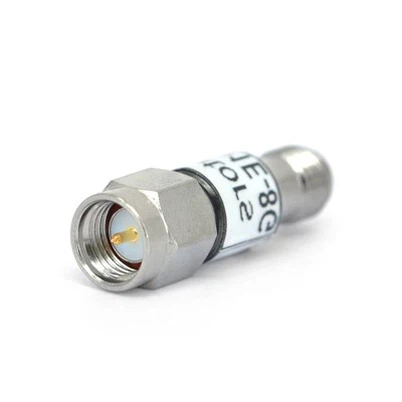
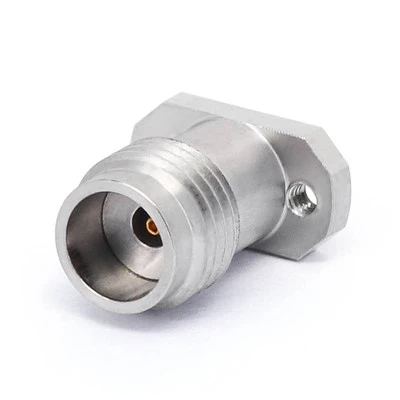
The Core Role Of RF Loads in The Signal Chain
Leave a message
Radio frequency (RF) loads are indispensable key components in a signal chain, whose roles mainly revolve around ensuring stable signal transmission, protecting system safety, and guaranteeing measurement accuracy. The specific functions are as follows:
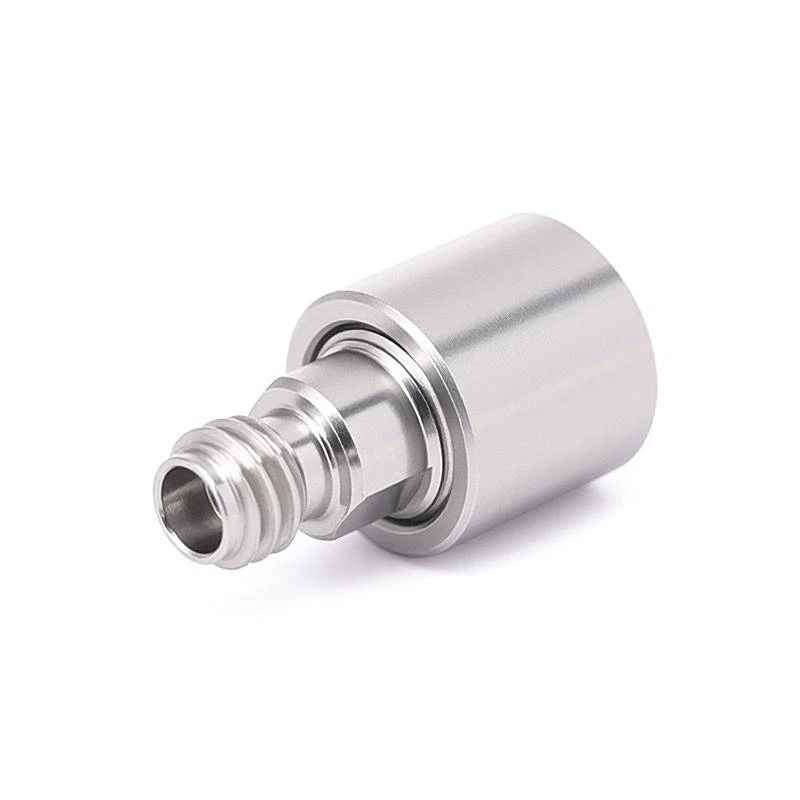
1. Matching Impedance To Reduce Signal Reflection
In RF systems, signal transmission lines (such as coaxial cables and microstrip lines) and related equipment (such as amplifiers and filters) have specific characteristic impedances (commonly 50Ω ). When a node in the signal chain is not connected to a load or the load impedance is mismatched, signal reflection will occur.
The core function of an RF load is to provide a terminal matched to the system's characteristic impedance, absorb the transmitted RF signal, and avoid signal reflection. Reflected signals will superimpose with the original signals, leading to signal distortion, power loss, and even affecting the stability of the entire system (for example, in radar and communication systems, reflection may cause misjudgment at the receiving end).
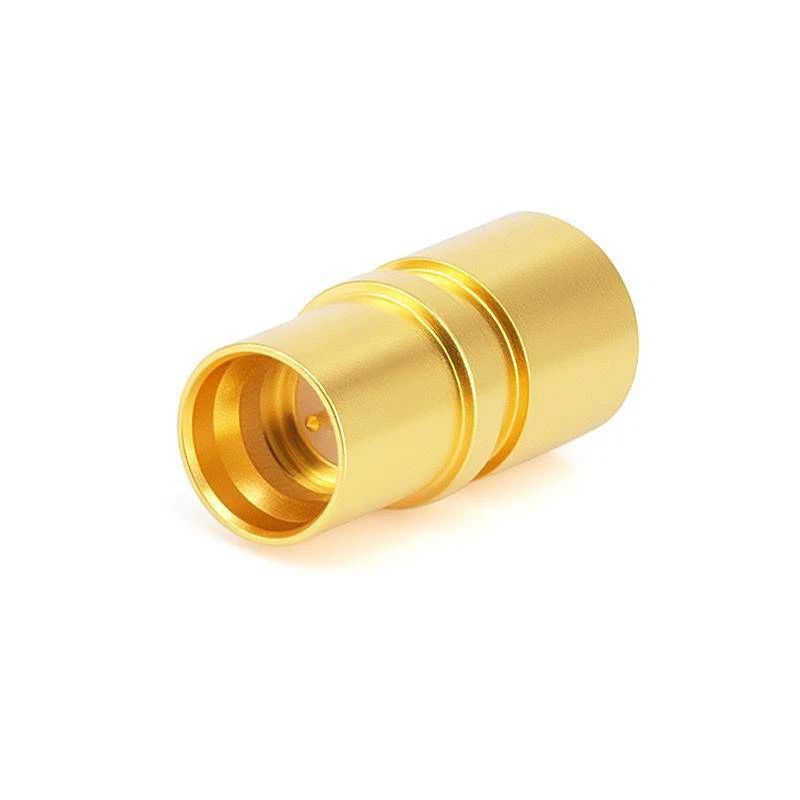
In RF systems, there may be cases of excessive power (such as when the output power of a signal source exceeds the tolerance range of subsequent equipment, or transient power shocks when switching paths). At this time, the RF load can act as a "power absorber", converting excess RF power into heat energy (or other forms of energy) for consumption, preventing excessive power from damaging sensitive components (such as amplifiers, mixers, receivers, etc.).
For example, in RF testing, when a signal source needs to work independently without being connected to the device under test, a load is used to absorb its output power to avoid damage to the signal source due to no-load operation.
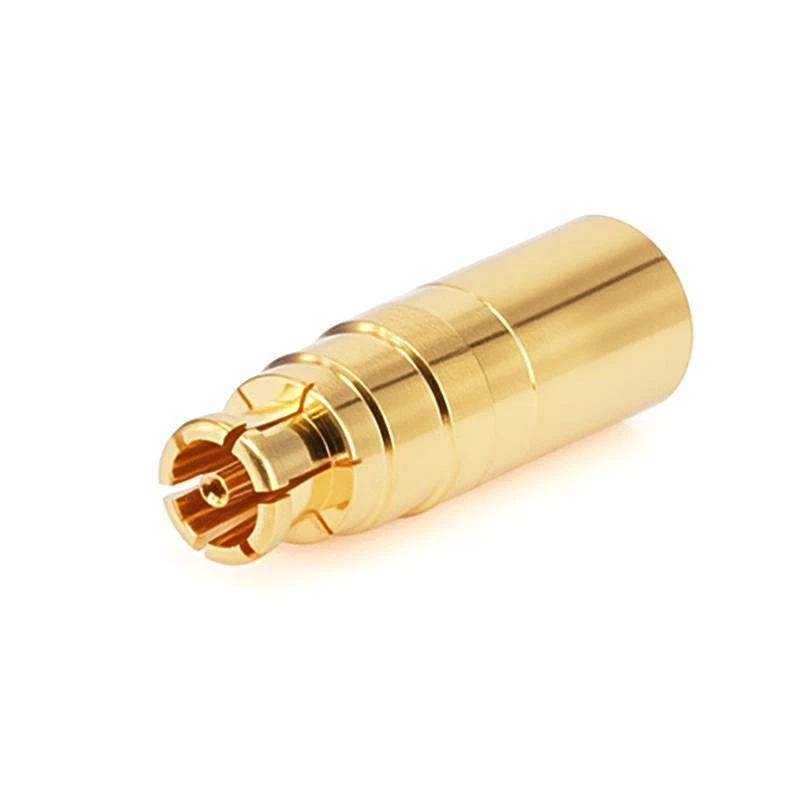
The output characteristics (such as frequency stability and power flatness) of many RF signal sources are closely related to the load impedance. When the load impedance is mismatched, the output power and frequency of the signal source may fluctuate.
After connecting a matched RF load, the signal source can work under stable load conditions, ensuring that the parameters (amplitude, frequency, phase, etc.) of the output signal are stable, and providing a reliable input signal for the subsequent circuit.
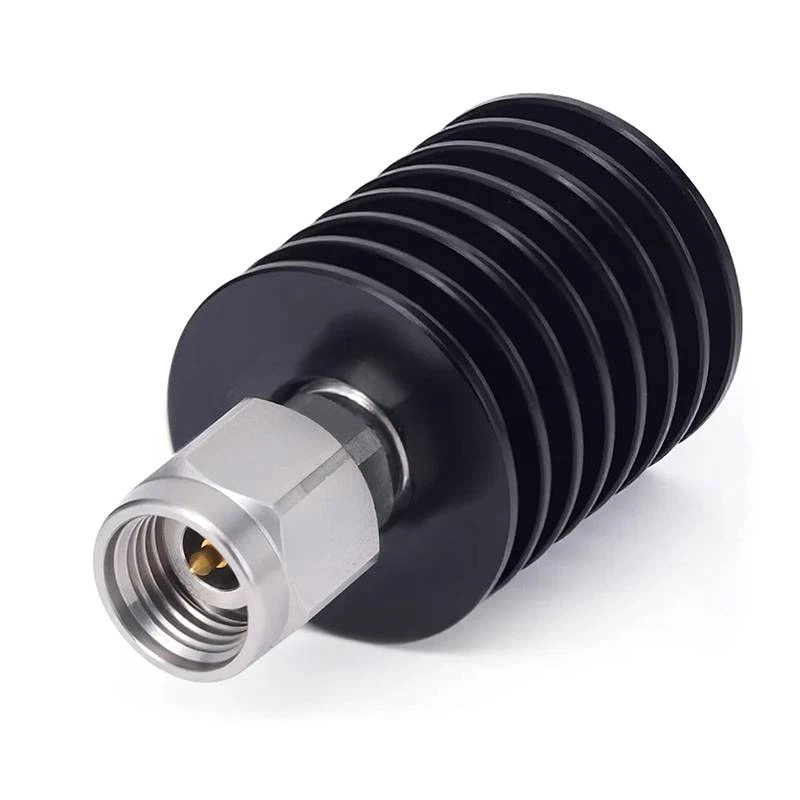
In RF testing scenarios, loads are often used as "standard loads" for system calibration. For example:
When testing the output power of a signal source, a precision load with known impedance is used to absorb the power, and the power absorbed by the load is measured by a power meter to calibrate the signal source;
When measuring the loss of a transmission line, connecting a matched load at the terminal can eliminate the interference of reflection on the measurement results;
In antenna testing, when the antenna is not required to radiate signals, a load can be used instead of the antenna to simulate the impedance characteristics of the antenna for system debugging.
Summary
RF loads ensure effective signal transmission in the RF signal chain, safe operation of equipment, and accuracy of testing through three core roles: impedance matching, power absorption, and stable output. They are key components in RF systems for maintaining signal integrity and stability. Loads in different scenarios (such as high-power loads, high-precision loads, broadband loads, etc.) will be optimized for power capacity, frequency range, or impedance accuracy according to requirements, but their core functions always revolve around the above points.