

Are phase trimmers available in different impedance values?
Leave a message

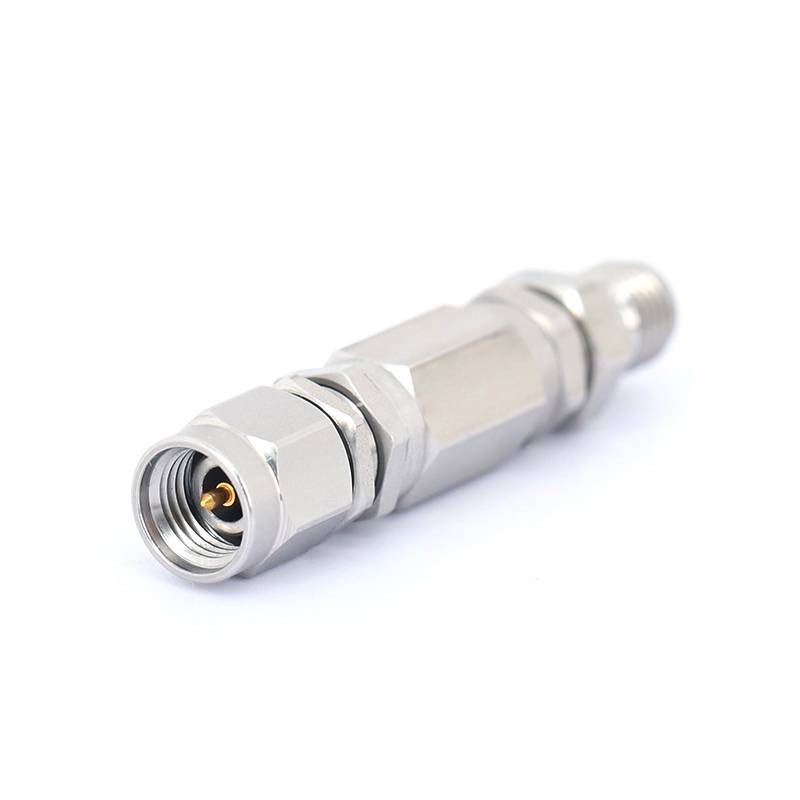
Phase trimmers are essential components in various electronic applications, especially in radio frequency (RF) and microwave systems. They allow for the adjustment of phase shift in a circuit, which is crucial for achieving optimal performance. One common question that arises among engineers and technicians is whether phase trimmers are available in different impedance values. As a trusted Phase Trimmers Phase Trimmers supplier, I'm here to provide a comprehensive answer to this question.
Understanding Impedance in Phase Trimmers
Before delving into the availability of different impedance values, it's important to understand what impedance means in the context of phase trimmers. Impedance is a measure of the opposition that a circuit presents to the flow of alternating current (AC). It is a complex quantity that includes both resistance and reactance. In RF and microwave circuits, impedance matching is critical to ensure maximum power transfer and minimize signal reflection.
Phase trimmers are designed to operate within a specific impedance range. The most common impedance values for RF and microwave components are 50 ohms and 75 ohms. These values are widely used in the industry because they provide a good balance between power handling, signal loss, and compatibility with other components.
Availability of Different Impedance Values
Yes, phase trimmers are available in different impedance values. As a supplier, we offer a wide range of phase trimmers with various impedance options to meet the diverse needs of our customers. Whether you require a 50-ohm phase trimmer for a high-frequency communication system or a 75-ohm phase trimmer for a video application, we have the right solution for you.
The availability of different impedance values is important because it allows engineers to design circuits that are optimized for specific applications. For example, in a wireless communication system, a 50-ohm impedance is commonly used because it provides a good compromise between power transfer and signal integrity. On the other hand, in a video distribution system, a 75-ohm impedance is preferred because it minimizes signal loss and ensures high-quality video transmission.
Factors Affecting Impedance Selection
When selecting a phase trimmer with a specific impedance value, several factors need to be considered. These factors include the application requirements, the characteristics of the other components in the circuit, and the overall system design.
- Application Requirements: The specific requirements of the application play a crucial role in determining the appropriate impedance value. For example, in a high-power RF amplifier, a lower impedance value may be required to handle the high current and power levels. In contrast, in a low-power, high-frequency circuit, a higher impedance value may be preferred to minimize signal loss.
- Component Characteristics: The impedance of the other components in the circuit, such as the source, load, and transmission lines, also needs to be taken into account. To ensure maximum power transfer and minimize signal reflection, the impedance of the phase trimmer should be matched to the impedance of the other components in the circuit.
- System Design: The overall system design, including the layout and configuration of the circuit, can also affect the impedance selection. For example, in a multi-stage amplifier circuit, the impedance of the phase trimmer may need to be adjusted to optimize the performance of the entire system.
Benefits of Using Phase Trimmers with Different Impedance Values
Using phase trimmers with different impedance values offers several benefits, including:
- Improved Performance: By matching the impedance of the phase trimmer to the impedance of the other components in the circuit, you can achieve better performance in terms of power transfer, signal integrity, and reduced signal reflection.
- Compatibility: Different applications and systems may require different impedance values. By offering phase trimmers with a variety of impedance options, we ensure that our customers can find the right component that is compatible with their specific requirements.
- Flexibility: The availability of different impedance values provides engineers with more flexibility in designing circuits. They can choose the impedance value that best suits their application, rather than being limited to a single standard impedance value.
How to Choose the Right Phase Trimmer with the Appropriate Impedance
Choosing the right phase trimmer with the appropriate impedance value requires careful consideration of the application requirements and the characteristics of the other components in the circuit. Here are some steps to help you make the right choice:

- Understand the Application Requirements: Determine the specific requirements of the application, including the frequency range, power level, and signal characteristics. This will help you narrow down the options and select a phase trimmer that is suitable for your application.
- Check the Impedance of Other Components: Identify the impedance of the source, load, and transmission lines in the circuit. The impedance of the phase trimmer should be matched to the impedance of these components to ensure maximum power transfer and minimize signal reflection.
- Consider the Performance Specifications: In addition to impedance, consider other performance specifications of the phase trimmer, such as the phase shift range, insertion loss, and return loss. These specifications will affect the overall performance of the circuit.
- Consult with an Expert: If you're unsure about which phase trimmer to choose, don't hesitate to consult with an expert. As a supplier, we have a team of experienced engineers who can provide you with technical support and guidance to help you make the right decision.
Conclusion
In conclusion, phase trimmers are available in different impedance values to meet the diverse needs of various electronic applications. As a Phase Trimmers supplier, we offer a wide range of phase trimmers with various impedance options, allowing you to choose the right component for your specific requirements. By understanding the importance of impedance matching and considering the factors affecting impedance selection, you can ensure optimal performance in your circuits.
If you're interested in purchasing phase trimmers or have any questions about our products, please feel free to contact us. We're committed to providing high-quality products and excellent customer service. Let's work together to achieve your design goals.
References
- Pozar, D. M. (2011). Microwave Engineering (4th ed.). Wiley.
- Collin, R. E. (2001). Foundations for Microwave Engineering (2nd ed.). Wiley.
- Gonzalez, G. (1997). Microwave Transistor Amplifiers: Analysis and Design (2nd ed.). Prentice Hall.


