
How to optimize the performance of an SMA Adapter?
Leave a message

Hey there! As a supplier of SMA Adapters, I've seen firsthand how crucial it is to optimize their performance. Whether you're into telecom, aerospace, or just a DIY electronics enthusiast, getting the most out of your SMA Adapters can make a huge difference. In this blog, I'm gonna share some tips and tricks on how to do just that.
Understanding the Basics of SMA Adapters
Before we dive into optimization, let's quickly go over what SMA Adapters are. SMA stands for SubMiniature version A, and these adapters are widely used in RF (radio frequency) applications. They're known for their excellent electrical performance, durability, and compatibility with a variety of devices.
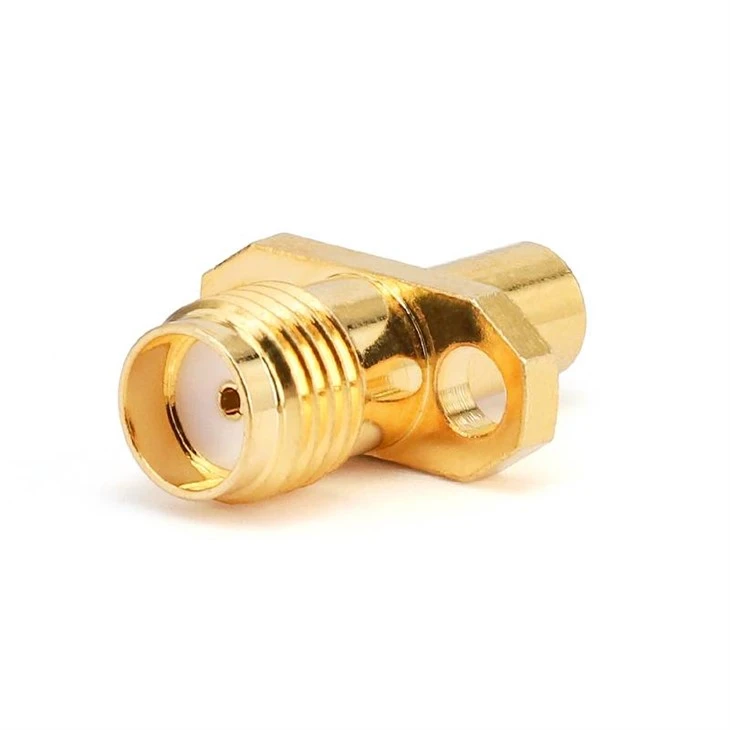
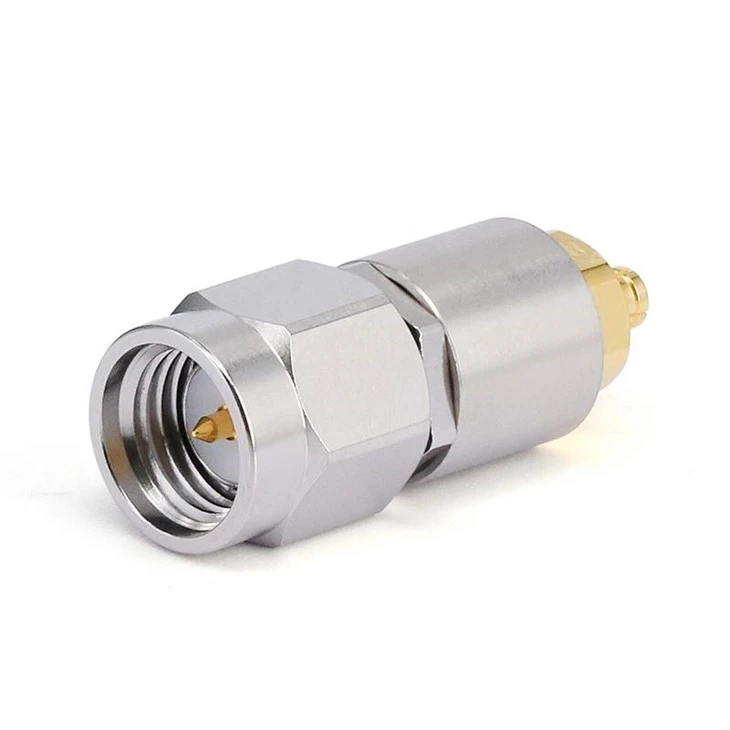
SMA Adapters come in different types, such as male-to-male, female-to-female, and male-to-female. The choice depends on your specific needs. For example, if you need to connect two male connectors, a male-to-male adapter is the way to go.
Choosing the Right SMA Adapter
The first step in optimizing performance is choosing the right adapter for your application. Here are some factors to consider:
Frequency Range
SMA Adapters are designed to work within specific frequency ranges. Make sure the adapter you choose can handle the frequencies you'll be working with. If you're dealing with high-frequency signals, look for adapters with a wider frequency range.
Impedance
Impedance is another important factor. Most SMA Adapters are designed for 50-ohm impedance, which is standard in many RF applications. However, some applications may require 75-ohm impedance. Make sure the adapter's impedance matches your system's requirements.
Connector Quality
The quality of the connectors can have a big impact on performance. Look for adapters with high-quality connectors that are made from durable materials. Gold-plated connectors are a good choice as they offer better conductivity and corrosion resistance.
Installation and Handling
Proper installation and handling are key to optimizing the performance of SMA Adapters. Here are some tips:
Clean the Connectors
Before installing the adapter, make sure the connectors are clean. Use a clean, dry cloth to remove any dirt, dust, or debris. This will ensure a good electrical connection and prevent signal loss.
Tighten the Connectors Properly
When installing the adapter, make sure to tighten the connectors properly. Over-tightening can damage the connectors, while under-tightening can result in a loose connection and signal loss. Use a torque wrench to ensure the connectors are tightened to the recommended torque.
Avoid Bending the Cables
Bending the cables too sharply can cause signal loss and damage the adapter. Make sure to route the cables carefully and avoid sharp bends.
Maintenance and Testing
Regular maintenance and testing can help ensure the long-term performance of SMA Adapters. Here are some tips:
Inspect the Adapters Regularly
Inspect the adapters regularly for any signs of damage or wear. Look for cracks, scratches, or loose connections. If you notice any issues, replace the adapter immediately.
Test the Adapters Periodically
Test the adapters periodically to ensure they're working properly. You can use a network analyzer or a spectrum analyzer to test the adapter's performance. Make sure to follow the manufacturer's instructions when testing the adapter.
Compatibility with Other Components
SMA Adapters are often used in conjunction with other RF components, such as GPO SMP Adapter, N Adapter, and GPPO Mini SMP Adapter. It's important to ensure that the SMA Adapter is compatible with these components.
Check the Connector Types
Make sure the connector types of the SMA Adapter and the other components match. For example, if you're using a male SMA connector, make sure the other component has a female SMA connector.
Consider the Electrical Characteristics
The electrical characteristics of the SMA Adapter and the other components should also be compatible. Make sure the impedance, frequency range, and other electrical parameters match.
Environmental Factors
Environmental factors can also affect the performance of SMA Adapters. Here are some things to keep in mind:
Temperature
Extreme temperatures can cause the adapter's performance to degrade. Make sure to use the adapter within the recommended temperature range. If you're working in a high-temperature environment, consider using adapters that are designed for high-temperature applications.
Humidity
High humidity can cause corrosion and damage to the adapter. Make sure to store the adapter in a dry environment and avoid using it in humid conditions.
Vibration and Shock
Vibration and shock can cause the adapter's connections to loosen and result in signal loss. Make sure to secure the adapter properly and avoid exposing it to excessive vibration and shock.
Conclusion
Optimizing the performance of SMA Adapters is essential for getting the most out of your RF systems. By choosing the right adapter, installing and handling it properly, performing regular maintenance and testing, ensuring compatibility with other components, and considering environmental factors, you can ensure that your SMA Adapters perform at their best.
If you're in the market for high-quality SMA Adapters or have any questions about optimizing their performance, feel free to reach out. We're here to help you find the right solutions for your needs and get the best performance from your RF systems.
References
- "RF Connector Handbook" by Pasternack Enterprises
- "Microwave and RF Design: A Systems Approach" by David M. Pozar


