

Can DC blocks be used in high - speed data transmission circuits?
Leave a message

Can DC blocks be used in high - speed data transmission circuits?
In the dynamic landscape of modern electronics, high - speed data transmission circuits have become the backbone of numerous industries, from telecommunications to data centers. These circuits demand precision, reliability, and the ability to handle large volumes of data at breakneck speeds. As a supplier of DC blocks, I am often asked whether these components can be effectively used in high - speed data transmission circuits. In this blog post, I will delve into the technical aspects, advantages, and limitations of using DC blocks in such circuits.
Understanding DC Blocks
Before we explore their application in high - speed data transmission, let's first understand what DC blocks are. DC blocks, also known as DC isolators, are electronic components designed to block direct current (DC) while allowing alternating current (AC) signals to pass through. They typically consist of capacitors, which have the property of blocking DC due to their open - circuit behavior for DC signals and allowing AC signals to flow based on their impedance characteristics at different frequencies.
DC blocks are commonly used in various electronic systems to prevent DC bias from interfering with AC signals. They can be found in audio systems, radio frequency (RF) circuits, and many other applications where the separation of DC and AC components is necessary.
Technical Considerations for High - Speed Data Transmission
High - speed data transmission circuits operate at frequencies ranging from hundreds of megahertz to several gigahertz. These circuits are designed to transmit digital data in the form of electrical signals, which are essentially high - frequency AC signals. When considering the use of DC blocks in these circuits, several technical factors need to be taken into account.
Frequency Response
One of the most critical factors is the frequency response of the DC block. High - speed data signals have a wide frequency spectrum, and the DC block must be able to pass these frequencies with minimal attenuation. A well - designed DC block should have a flat frequency response over the operating frequency range of the high - speed data transmission circuit. This ensures that the data signals are not distorted or degraded as they pass through the DC block.
Insertion Loss
Insertion loss is another important parameter. It refers to the amount of signal power that is lost when the signal passes through the DC block. In high - speed data transmission, even a small amount of insertion loss can have a significant impact on the signal quality and the overall performance of the circuit. Therefore, DC blocks with low insertion loss are preferred for use in high - speed data transmission circuits.

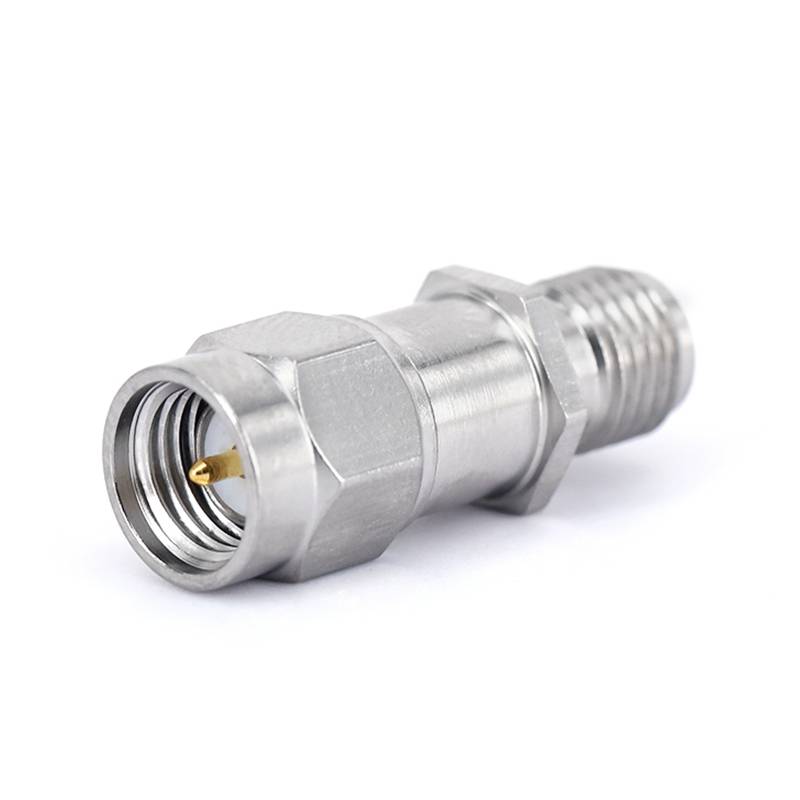
Impedance Matching
Proper impedance matching is crucial in high - speed data transmission to minimize signal reflections and ensure maximum power transfer. The DC block should have an impedance that matches the impedance of the surrounding circuit elements, such as transmission lines and integrated circuits. Mismatched impedance can lead to signal reflections, which can cause data errors and degrade the performance of the circuit.
Advantages of Using DC Blocks in High - Speed Data Transmission Circuits
Despite the technical challenges, there are several advantages to using DC blocks in high - speed data transmission circuits.
DC Bias Isolation
One of the primary advantages is the isolation of DC bias. In high - speed data transmission systems, DC bias can be introduced by various sources, such as power supplies, amplifiers, and other active components. This DC bias can interfere with the AC data signals and cause problems such as signal distortion and reduced dynamic range. By using a DC block, the DC bias can be effectively blocked, allowing only the AC data signals to pass through.
Protection of Components
DC blocks can also provide protection for sensitive components in the high - speed data transmission circuit. For example, some integrated circuits may be sensitive to DC voltage levels. By blocking the DC component of the signal, the DC block can prevent damage to these components and extend their lifespan.
Improved Signal Quality
By removing the DC component and ensuring a clean AC signal, DC blocks can improve the overall signal quality in high - speed data transmission circuits. This can lead to lower bit error rates, better signal - to - noise ratios, and more reliable data transmission.
Limitations and Challenges
While DC blocks offer many advantages, there are also some limitations and challenges associated with their use in high - speed data transmission circuits.
Parasitic Effects
At high frequencies, DC blocks can exhibit parasitic effects, such as parasitic capacitance and inductance. These parasitic effects can affect the frequency response and impedance characteristics of the DC block, leading to signal distortion and degradation. Designers need to carefully consider these parasitic effects and take appropriate measures to minimize their impact.
Size and Cost
High - performance DC blocks for high - speed data transmission often require advanced materials and manufacturing techniques, which can result in larger sizes and higher costs. In some applications, the size and cost constraints may limit the use of DC blocks.
Inner DC Blocks for High - Speed Data Transmission
If you are looking for high - quality DC blocks for high - speed data transmission circuits, you may want to consider Inner DC Blocks. These DC blocks are specifically designed to meet the demanding requirements of high - speed data transmission, offering excellent frequency response, low insertion loss, and precise impedance matching.
Conclusion
In conclusion, DC blocks can be effectively used in high - speed data transmission circuits, provided that the technical challenges are carefully addressed. They offer significant advantages in terms of DC bias isolation, component protection, and signal quality improvement. However, designers need to be aware of the limitations and challenges associated with their use, such as parasitic effects, size, and cost.
If you are interested in incorporating DC blocks into your high - speed data transmission circuits or have any questions about our products, please feel free to contact us for further discussion and procurement negotiation. We are committed to providing you with the best solutions for your specific needs.
References
- "High - Speed Digital Design: A Handbook of Black Magic" by Howard Johnson and Martin Graham.
- "RF Circuit Design" by Chris Bowick.
- Technical datasheets of various DC block manufacturers.


