

How to choose a PCB connector for a 5G communication device?
Leave a message

When it comes to 5G communication devices, the choice of PCB connectors plays a crucial role in ensuring optimal performance and reliability. As a leading PCB connectors supplier, we understand the challenges and requirements that come with selecting the right connectors for 5G applications. In this blog post, we will guide you through the key factors to consider when choosing a PCB connector for your 5G communication device.
Understanding the 5G Requirements
5G technology brings significant advancements in terms of speed, capacity, and low latency. To support these features, 5G communication devices require connectors that can handle high - frequency signals, high data rates, and maintain signal integrity. The frequency range of 5G can span from sub - 6 GHz to millimeter - wave frequencies (above 24 GHz). Therefore, the PCB connectors must be designed to operate effectively within these frequency bands.
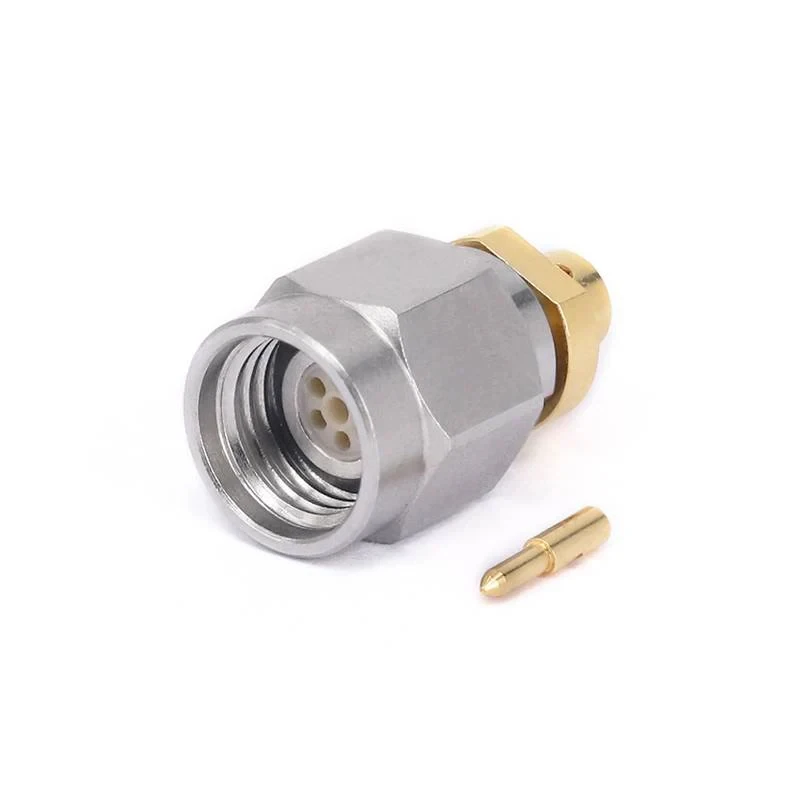

Key Factors in Choosing a PCB Connector for 5G
1. Electrical Performance
- Impedance Matching: Impedance matching is essential to minimize signal reflection and ensure maximum power transfer. For 5G applications, connectors with precise impedance control (usually 50 ohms or 75 ohms) are required. A mismatch in impedance can lead to signal loss, distortion, and reduced system performance.
- Insertion Loss: Insertion loss is a measure of the signal power loss that occurs when a signal passes through a connector. In 5G communication, where high - frequency signals are used, low insertion loss is crucial. Connectors with advanced designs and high - quality materials can help to reduce insertion loss and maintain signal strength.
- Return Loss: Return loss indicates the amount of signal that is reflected back from the connector. A high return loss value means less signal reflection and better impedance matching. For 5G devices, connectors with high return loss are preferred to ensure efficient signal transmission.
2. Mechanical Performance
- Durability: 5G communication devices are often used in various environments, including industrial, automotive, and consumer applications. The PCB connectors need to be durable enough to withstand mechanical stress, vibration, and shock. Connectors with robust housing materials and reliable locking mechanisms can ensure long - term performance.
- Mating Cycles: The number of mating and unmating cycles a connector can withstand is an important consideration. In applications where connectors need to be frequently connected and disconnected, such as in test and measurement equipment or modular 5G devices, connectors with a high number of mating cycles are required.
- Size and Form Factor: With the trend towards miniaturization in 5G devices, the size and form factor of the PCB connectors are critical. Compact connectors can save space on the PCB and allow for more complex circuit designs. However, it is important to ensure that the smaller size does not compromise the electrical and mechanical performance of the connector.
3. Environmental Performance
- Temperature Range: 5G communication devices may operate in a wide range of temperatures. The PCB connectors should be able to function properly within the specified temperature range. High - temperature environments can cause material expansion and affect the electrical performance of the connector, while low - temperature environments can make the materials brittle.
- Moisture and Corrosion Resistance: In humid or corrosive environments, the connectors need to be protected against moisture and corrosion. Connectors with appropriate plating and sealing can prevent the ingress of moisture and chemicals, ensuring long - term reliability.
4. Compatibility
- PCB Design Compatibility: The PCB connector should be compatible with the PCB layout and design. This includes factors such as the pin pitch, mounting style (surface - mount or through - hole), and the number of pins. Ensuring proper compatibility can simplify the PCB assembly process and reduce the risk of errors.
- System Compatibility: The connector should be compatible with other components in the 5G communication system, such as RF modules, antennas, and baseband processors. Compatibility issues can lead to signal interference, reduced performance, and system failures.
Types of PCB Connectors for 5G
- Coax Connectors: Coax connectors are widely used in 5G communication for their excellent high - frequency performance. They are suitable for applications that require the transmission of high - speed signals over short to medium distances. Coax connectors come in various types, such as SMA, SMB, and BNC, each with its own characteristics and applications.
- High - Speed Board - to - Board Connectors: These connectors are used to connect two PCBs in a 5G device. They are designed to support high data rates and ensure signal integrity between the boards. High - speed board - to - board connectors often feature differential signaling technology to reduce electromagnetic interference.
- RF Connectors: RF connectors are essential for connecting RF components in 5G communication systems. They are designed to handle high - frequency signals and provide low - loss transmission. RF connectors can be used for antenna connections, RF module interfaces, and other RF applications.
Additional Considerations
- Connector Dust Caps: Dust caps can protect the connectors from dust, dirt, and moisture when they are not in use. This can help to extend the lifespan of the connectors and maintain their performance.
- Glass Beads: Glass beads are sometimes used in connectors to provide electrical insulation and mechanical support. They can help to improve the performance and reliability of the connectors, especially in high - frequency applications.
Conclusion
Choosing the right PCB connector for a 5G communication device is a complex decision that requires careful consideration of various factors. As a PCB connectors supplier, we offer a wide range of connectors that are specifically designed to meet the requirements of 5G applications. Our connectors are tested and verified to ensure high - quality performance, reliability, and compatibility.
If you are in the process of selecting PCB connectors for your 5G communication device, we encourage you to contact us for more information. Our team of experts can provide you with professional advice and help you find the most suitable connectors for your specific needs. Let's work together to ensure the success of your 5G projects.
References
- "RF and Microwave Passive Components for Wireless Communications" by Inder Bahl and Bhartendu Gupta
- "High - Speed Digital Design: A Handbook of Black Magic" by Howard Johnson and Martin Graham
- Industry standards and specifications related to 5G communication and PCB connectors.


