

Can phase trimmers be repaired?
Leave a message

Can phase trimmers be repaired? That's a question I get asked a lot as a supplier of Phase Trimmers. And the answer is, it depends.
First off, let's talk about what phase trimmers are. Phase trimmers are components used in electronic circuits to adjust the phase of an electrical signal. They're super important in a bunch of applications, like radio frequency (RF) systems, communication devices, and test equipment. They help fine - tune the performance of these systems, making sure everything runs smoothly.
Now, when it comes to whether they can be repaired, there are a few factors to consider.
Physical Damage
One of the main reasons a phase trimmer might need repair is physical damage. This could be something as simple as a bent lead or a more serious issue like a cracked housing. If it's just a bent lead, in many cases, it can be carefully straightened out. You'll need a pair of fine - tipped tweezers and a steady hand. Just gently grab the lead and bend it back into place. But be careful not to apply too much force, or you could break the lead off completely.
If the housing is cracked, it's a bit more complicated. A cracked housing can expose the internal components to dust, moisture, and other contaminants, which can mess up the trimmer's performance. Sometimes, you can try to seal the crack with a suitable epoxy. But this is a bit of a hit - or - miss solution. The epoxy needs to be non - conductive and flexible enough not to cause additional stress on the internal parts. And even if you manage to seal the crack, there's no guarantee that the trimmer will work as well as it did before.
Electrical Issues
Electrical problems are another common reason for repair. For example, the resistance value of the trimmer might have changed over time. This can happen due to normal wear and tear, especially if the trimmer has been used a lot. When the resistance changes, it can throw off the phase adjustment in the circuit.
In some cases, you might be able to adjust the trimmer back to its proper resistance value. But this requires some knowledge of electronics and the right testing equipment, like a multimeter. You'll need to measure the resistance and then carefully turn the adjustment screw on the trimmer to get it to the correct value. However, if the change in resistance is due to internal damage, like a broken track inside the trimmer, then it's probably not going to be repairable.
Another electrical issue could be a short circuit. This can be caused by a build - up of dirt or debris inside the trimmer, or by a manufacturing defect. If you suspect a short circuit, you can use a multimeter to check for continuity between the terminals. If there's a short, it's often very difficult to fix. In most cases, the best option is to replace the trimmer.
Age and Wear
Phase trimmers, like all electronic components, have a limited lifespan. Over time, the materials inside the trimmer can degrade, leading to performance issues. For example, the dielectric material might dry out or become brittle, which can affect the capacitance and the phase adjustment.
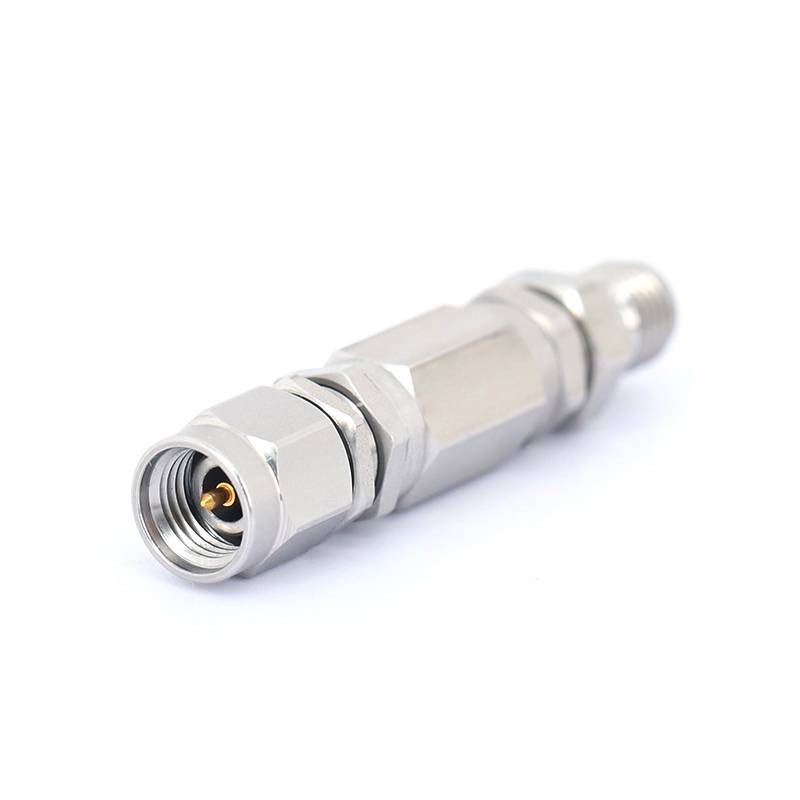

When a trimmer is showing signs of age - related wear, it can be challenging to repair. In many cases, the best approach is to replace it with a new one. Newer phase trimmers often have improved performance and reliability compared to older models, so it can be a good investment in the long run.
Repair vs. Replacement
So, when should you try to repair a phase trimmer, and when should you just replace it? Well, if the damage is minor, like a bent lead or a small crack that you can seal, it's worth giving repair a shot. It can save you some money, especially if the trimmer is expensive or hard to find.
But if the damage is more serious, like a short circuit or significant electrical problems, it's usually better to replace the trimmer. Trying to repair a severely damaged trimmer can be time - consuming and might not result in a reliable repair. And let's face it, in the world of electronics, time is money.
As a supplier of Phase Trimmers, I've seen all sorts of situations. I've helped customers troubleshoot problems with their phase trimmers and decide whether to repair or replace them. And I've got a wide range of high - quality phase trimmers in stock, ready to be shipped out as soon as you need them.
If you're having issues with your phase trimmers, don't hesitate to reach out. Whether you need advice on repair, want to know if a particular trimmer can be fixed, or are looking to purchase a new one, I'm here to help. We can have a chat about your specific situation and figure out the best solution for you.
In conclusion, while phase trimmers can sometimes be repaired, it's not always the best option. It's important to assess the damage carefully and consider the cost and time involved in repair versus replacement. And if you're in the market for new phase trimmers, I'm your go - to supplier.
References
- Electronic Component Handbook: Covers general information about electronic components, including phase trimmers.
- RF Circuit Design Guides: Provide in - depth knowledge about the use of phase trimmers in RF systems.


