

What are the special requirements for SMA attenuators in aerospace applications?
Leave a message

Hey there! As a supplier of SMA attenuators, I've been deeply involved in understanding the unique needs of these components, especially in aerospace applications. In this blog, I'll share some insights into the special requirements for SMA attenuators in the aerospace field.
1. Extreme Environmental Conditions
Aerospace environments are no joke. They come with a whole range of extreme conditions that SMA attenuators have to withstand.
Temperature Variations
In space, temperatures can swing wildly. From the freezing cold of deep space to the intense heat generated by re - entry or solar exposure, SMA attenuators need to keep their performance stable. For example, during a satellite's orbit, it can experience temperatures from - 200°C to over 100°C. Our attenuators are designed with materials that have low thermal coefficients of expansion. This means that as the temperature changes, the physical dimensions of the attenuator don't change significantly, which helps maintain consistent electrical performance.
Radiation Resistance
Radiation is a major concern in aerospace. High - energy particles like protons and electrons can damage electronic components over time. SMA attenuators used in aerospace must be radiation - hardened. We use special shielding materials and manufacturing processes to protect the internal circuitry of the attenuators. This ensures that they can operate reliably for long periods in the radiation - rich environment of space.
Vibration and Shock
During launch and flight, aerospace vehicles experience significant vibration and shock. SMA attenuators need to be mechanically robust to withstand these forces. We use high - quality housing materials and advanced mounting techniques to secure the internal components. This prevents any loose connections or damage that could affect the performance of the attenuator.
2. High - Frequency Performance
Aerospace applications often require high - frequency communication and radar systems. SMA attenuators need to perform well at these frequencies.
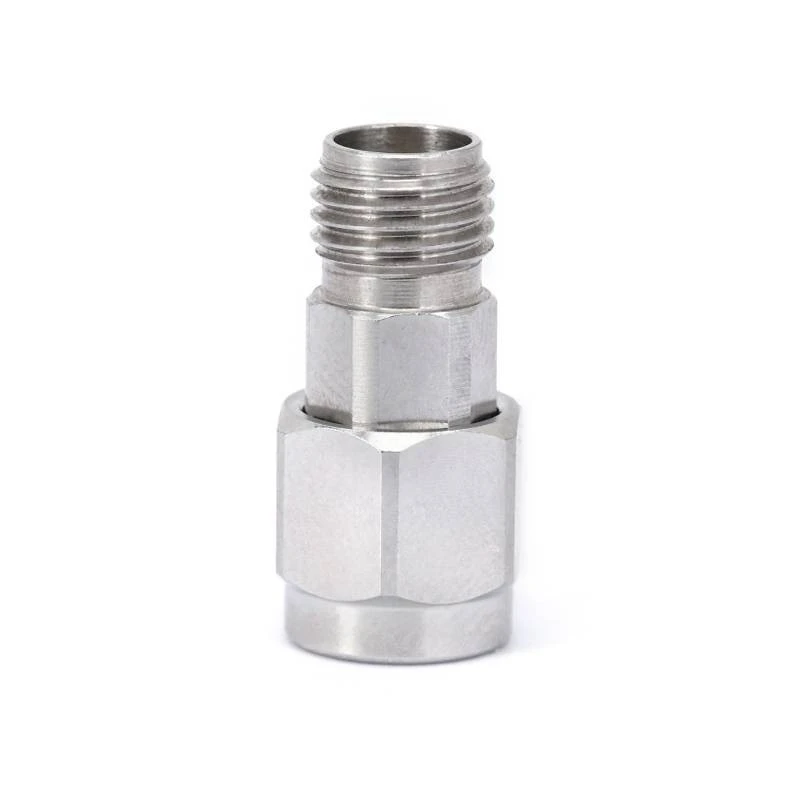
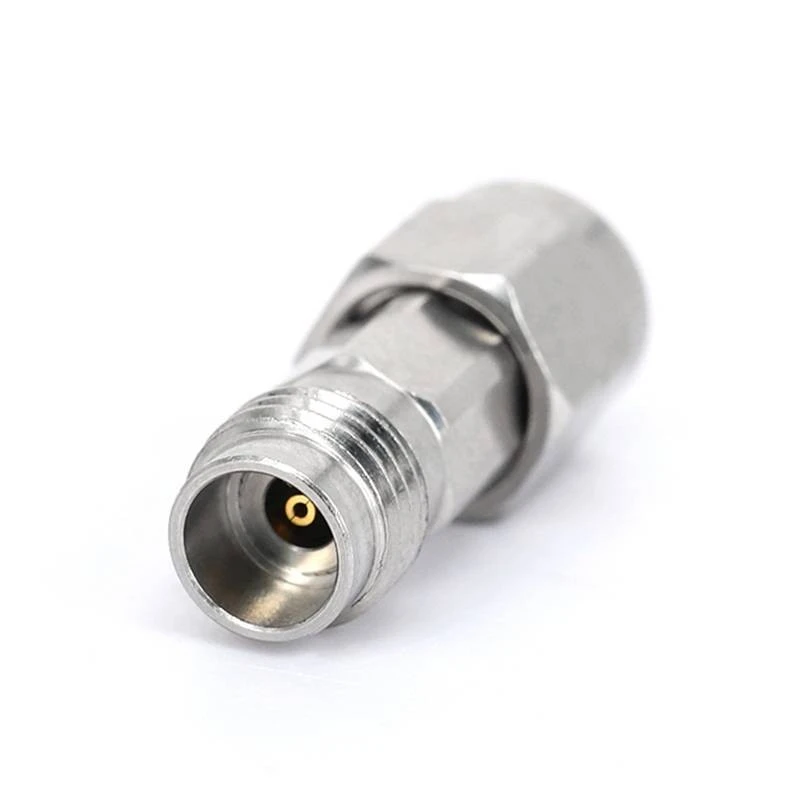
Wide Frequency Range
Modern aerospace systems operate over a wide frequency range, from a few megahertz to several gigahertz. Our SMA attenuators are designed to provide consistent attenuation across this broad spectrum. Whether it's for satellite communication in the Ku - band (12 - 18 GHz) or radar systems in the X - band (8 - 12 GHz), our attenuators can handle the job.
Low Insertion Loss
Insertion loss is a critical parameter in high - frequency applications. It refers to the amount of signal power that is lost when passing through the attenuator. In aerospace, where signal strength is precious, we strive to keep the insertion loss of our SMA attenuators as low as possible. This ensures that the transmitted and received signals are as strong as they can be, improving the overall performance of the communication or radar system.
High Power Handling
Some aerospace applications, such as radar transmitters, require attenuators that can handle high power levels. Our SMA attenuators are designed with high - power resistive elements and efficient heat - dissipation mechanisms. This allows them to handle high - power signals without overheating or suffering from performance degradation.
3. Miniaturization and Weight Reduction
Space is at a premium in aerospace vehicles, and every extra gram counts. SMA attenuators need to be as small and light as possible without sacrificing performance.
Compact Design
We've developed advanced manufacturing techniques to create SMA attenuators with a compact form factor. By optimizing the internal layout and using miniaturized components, we can reduce the size of the attenuators significantly. This makes them easier to integrate into the limited space available in aerospace systems.
Lightweight Materials
In addition to compact design, we use lightweight materials in the construction of our SMA attenuators. For example, we use lightweight plastics and aluminum alloys for the housing. These materials not only reduce the weight of the attenuator but also provide good mechanical protection.
4. Reliability and Long - Term Performance
Aerospace missions can last for years, and there's no room for component failure. SMA attenuators need to be highly reliable and have a long service life.
Quality Assurance
We have a strict quality - assurance process in place for all our SMA attenuators. Every attenuator undergoes rigorous testing before it leaves our factory. We test for electrical performance, temperature stability, and mechanical integrity. This ensures that only the highest - quality attenuators are delivered to our aerospace customers.
Long - Term Stability
Our attenuators are designed to maintain their performance over a long period. We use high - quality components and materials that are resistant to aging and environmental degradation. This means that our SMA attenuators can provide consistent attenuation and performance throughout the life of an aerospace mission.
5. Compatibility with Other Components
SMA attenuators need to be compatible with other components in the aerospace system.
Connector Compatibility
The SMA connector is a widely used standard in the aerospace industry. Our attenuators are designed to be fully compatible with other SMA - compatible components. This ensures easy integration into existing systems and reduces the risk of connection issues.
Electrical Compatibility
In addition to connector compatibility, our SMA attenuators need to be electrically compatible with other components in the system. They should have the appropriate impedance matching and signal - handling capabilities to work seamlessly with other parts of the aerospace system.
If you're in the aerospace industry and looking for high - quality SMA attenuators that meet these special requirements, we're here to help. We also offer other types of attenuators like 2.4mm Attenuators, 1.85mm Attenuators, and 2.92mm Attenuators. Whether you're working on a satellite project, an aircraft communication system, or a radar application, we can provide the right attenuators for your needs. Feel free to reach out to us for more information and to start a procurement discussion.
References
- Smith, J. (2018). "High - Frequency Electronics in Aerospace Applications." IEEE Transactions on Aerospace and Electronic Systems.
- Johnson, A. (2019). "Radiation Effects on Electronic Components in Space." Journal of Space Science and Technology.
- Brown, C. (2020). "Miniaturization Techniques for Aerospace Electronics." International Journal of Aerospace Engineering.


