

Can RF loads be used in RF impedance matching networks?
Leave a message

In the realm of radio frequency (RF) engineering, impedance matching is a critical concept that ensures maximum power transfer between a source and a load. RF loads, on the other hand, are components designed to absorb RF energy without reflecting it back. A common question that arises is whether RF loads can be used in RF impedance matching networks. In this blog post, we'll explore this topic in depth, drawing on our expertise as an RF loads supplier.
Understanding RF Impedance Matching Networks
Before delving into the use of RF loads in impedance matching networks, it's essential to understand what impedance matching networks are and why they are important. In an RF system, the source and the load often have different impedance values. When there is a mismatch between the source impedance and the load impedance, a portion of the RF power is reflected back to the source. This reflection can cause a variety of issues, including reduced power transfer efficiency, signal distortion, and potential damage to the source equipment.
Impedance matching networks are circuits designed to transform the impedance of the load to match the impedance of the source. These networks typically consist of passive components such as inductors, capacitors, and resistors. By carefully selecting the values of these components, engineers can create a network that presents an impedance to the source that is equal to its characteristic impedance, thereby maximizing power transfer.
The Role of RF Loads
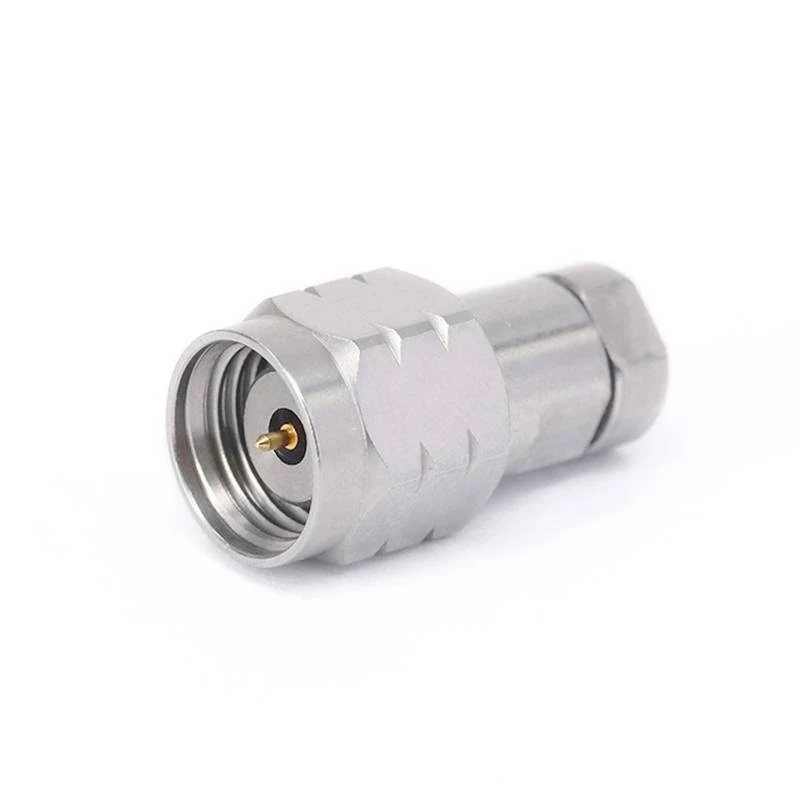
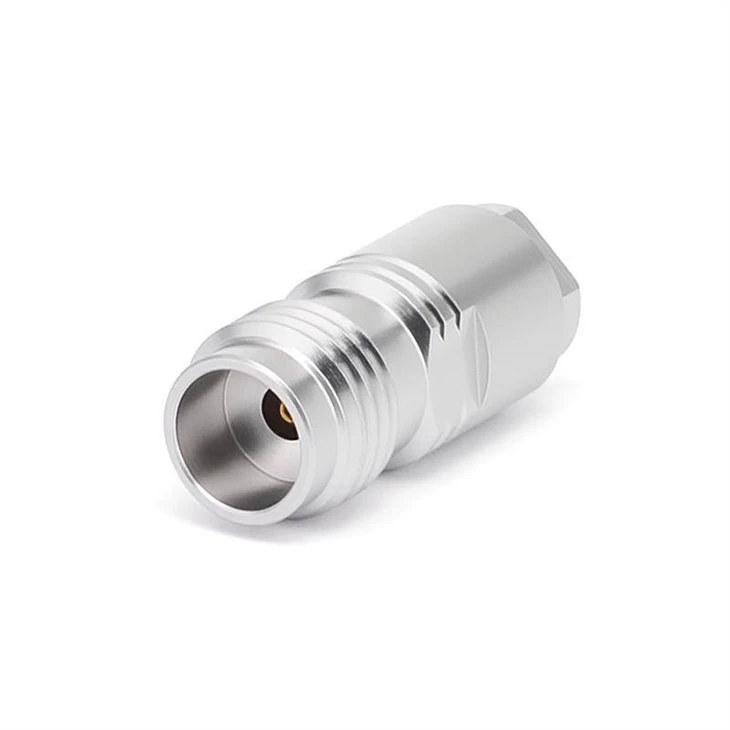
RF loads are passive components that are designed to absorb RF energy. They are typically used in test and measurement applications, where they provide a known impedance termination for RF signals. RF loads are available in a variety of types and configurations, each designed to meet specific requirements. For example, G3PO RF Loads are designed for high-frequency applications, while 1.85mm RF Loads are suitable for ultra-high-frequency applications. GPO RF Loads offer a combination of high performance and compact size, making them ideal for a wide range of applications.
The primary function of an RF load is to provide a non-reflective termination for an RF signal. This is achieved by designing the load to have an impedance that is equal to the characteristic impedance of the transmission line. When the load impedance matches the transmission line impedance, all of the RF energy is absorbed by the load, and there is no reflection back to the source.
Can RF Loads be Used in RF Impedance Matching Networks?
The short answer is yes, RF loads can be used in RF impedance matching networks. However, the way in which they are used depends on the specific requirements of the application. In some cases, an RF load can be used as part of a more complex impedance matching network. For example, a resistive RF load can be combined with inductors and capacitors to create a matching network that transforms the impedance of the load to match the source impedance.
In other cases, an RF load can be used as a termination for a transmission line that is part of an impedance matching network. For example, in a test setup, an RF load can be used to terminate a transmission line that is connected to a device under test (DUT). By using an RF load with the correct impedance, engineers can ensure that the DUT is presented with a matched load, which is essential for accurate testing.
Advantages of Using RF Loads in Impedance Matching Networks
There are several advantages to using RF loads in impedance matching networks. One of the main advantages is that RF loads provide a known and stable impedance. This is important because impedance matching networks rely on precise impedance values to function correctly. By using an RF load with a known impedance, engineers can ensure that the matching network is designed and implemented correctly.
Another advantage of using RF loads in impedance matching networks is that they can help to reduce reflections. As mentioned earlier, reflections can cause a variety of issues in an RF system, including reduced power transfer efficiency and signal distortion. By using an RF load to terminate a transmission line or as part of a matching network, engineers can minimize reflections and improve the overall performance of the system.
Considerations When Using RF Loads in Impedance Matching Networks
While there are many advantages to using RF loads in impedance matching networks, there are also some considerations that engineers need to keep in mind. One of the main considerations is the power handling capability of the RF load. In some applications, the RF load may need to handle a significant amount of power. If the power handling capability of the load is exceeded, it can cause the load to overheat and potentially fail.
Another consideration is the frequency range of the RF load. Different RF loads are designed to operate over different frequency ranges. When selecting an RF load for use in an impedance matching network, it's important to choose a load that is suitable for the frequency range of the application.
Conclusion
In conclusion, RF loads can be used in RF impedance matching networks, and they offer several advantages, including providing a known and stable impedance and reducing reflections. However, engineers need to carefully consider the power handling capability and frequency range of the RF load when using it in a matching network.
As an RF loads supplier, we offer a wide range of high-quality RF loads that are suitable for use in impedance matching networks. Our G3PO RF Loads, 1.85mm RF Loads, and GPO RF Loads are designed to meet the needs of a variety of applications, and our team of experts is available to provide technical support and assistance.
If you're interested in learning more about our RF loads or discussing how they can be used in your impedance matching network, we encourage you to contact us. Our sales team is ready to assist you with your procurement needs and help you find the right RF loads for your application.
References
- Pozar, D. M. (2011). Microwave Engineering (4th ed.). Wiley.
- Collin, R. E. (2001). Foundations for Microwave Engineering (2nd ed.). Wiley.
- Gonzalez, G. (1997). Microwave Transistor Amplifiers: Analysis and Design (2nd ed.). Prentice Hall.


