

How do dynamic loads affect connectors compared to static loads?
Leave a message

Dynamic loads and static loads are two distinct types of forces that connectors encounter in various applications. As a supplier of Connector Loads, understanding how these loads affect connectors is crucial for providing high - quality products and ensuring the reliability of the systems in which they are used.
Static Loads and Their Impact on Connectors
Static loads refer to forces that remain constant over time. In the context of connectors, a static load could be a constant pulling or pushing force, or a continuous electrical current. When a connector is subjected to a static load, several physical and electrical changes occur.
Physical Effects
Mechanically, static loads can cause deformation of the connector components. For example, if a connector is under a constant tensile load, the pins or sockets may start to stretch or bend. This deformation can lead to a loosening of the connection, which in turn can increase the contact resistance. Over time, even a small increase in contact resistance can cause significant power losses, especially in high - current applications.
In terms of material fatigue, although static loads do not cause the same type of cyclic stress as dynamic loads, long - term exposure to a static load can still lead to material creep. Creep is the slow, permanent deformation of a material under a constant load. In connectors, this can result in a gradual loss of the clamping force between the mating parts, reducing the reliability of the electrical connection.
Electrical Effects
From an electrical perspective, static loads can affect the conductivity of the connector. A constant electrical current can cause heating due to the resistance of the connector. If the static load is high enough, the temperature rise can lead to thermal expansion of the connector materials. This expansion can change the physical dimensions of the connector, potentially affecting the alignment of the pins and sockets and increasing the contact resistance further.
Dynamic Loads and Their Impact on Connectors
Dynamic loads are forces that change over time. These can include vibrations, shocks, and cyclic electrical currents. Dynamic loads have a more complex and often more severe impact on connectors compared to static loads.
Physical Effects
Vibrations and shocks are common dynamic loads in many industrial and automotive applications. These loads can cause the connector components to move relative to each other. This relative movement can lead to fretting corrosion. Fretting corrosion occurs when two contacting surfaces experience small, repeated movements. The friction between the surfaces removes the protective oxide layer, exposing the underlying metal to oxidation. As a result, a layer of corrosion products builds up between the contact surfaces, increasing the contact resistance and potentially leading to electrical failures.
Cyclic mechanical loads can also cause fatigue failure in connectors. Fatigue is the progressive and localized structural damage that occurs when a material is subjected to cyclic loading. In connectors, the repeated bending or flexing of the pins or sockets can lead to the initiation and propagation of cracks. Once a crack starts, it can grow over time until the connector fails completely.
Electrical Effects
Dynamic electrical loads, such as cyclic currents, can cause thermal cycling in connectors. The repeated heating and cooling of the connector materials due to the changing electrical current can lead to differential thermal expansion between different components of the connector. This differential expansion can cause mechanical stress and strain, which can further exacerbate the physical damage to the connector and increase the risk of electrical failures.
Comparison between Dynamic and Static Loads
Failure Modes
The failure modes of connectors under static and dynamic loads are different. Static loads typically lead to gradual degradation of the connector performance due to factors such as creep and thermal expansion. The failure is often a result of a long - term accumulation of damage, and the symptoms may develop slowly over time.
In contrast, dynamic loads can cause sudden and catastrophic failures. Fretting corrosion and fatigue failure can occur relatively quickly, especially in high - vibration or high - shock environments. These failures can be difficult to predict and can lead to unexpected system downtime.
Design Considerations
When designing connectors for static loads, the focus is often on ensuring sufficient strength and stability to withstand the constant force. This may involve using thicker materials or stronger mechanical structures.
For connectors designed to withstand dynamic loads, additional design considerations are required. For example, materials with high fatigue resistance and good damping properties are preferred. Special coatings can also be applied to the contact surfaces to reduce the risk of fretting corrosion.
How Our Connector Loads Address These Challenges
As a supplier of Connector Loads, we have developed a range of products that are designed to withstand both static and dynamic loads.
For Static Loads
Our connectors are made from high - strength materials that can resist deformation under constant loads. We use advanced manufacturing techniques to ensure precise dimensions and tight tolerances, which helps to maintain a stable electrical connection even under long - term static loads. Additionally, our connectors are designed with a high clamping force to prevent loosening due to thermal expansion or material creep.
For Dynamic Loads
To address the challenges posed by dynamic loads, we use materials with excellent fatigue resistance. Our connectors are also designed with features to dampen vibrations and reduce the risk of fretting corrosion. For example, we apply special anti - fretting coatings to the contact surfaces, which provide a protective barrier against oxidation and reduce the friction between the mating parts.
Importance of Considering Load Types in Connector Selection
Selecting the right connector for a specific application requires a thorough understanding of the load types that the connector will be subjected to. If a connector is designed only for static loads and is used in an environment with dynamic loads, it is likely to fail prematurely. On the other hand, using an over - engineered connector designed for high - dynamic loads in a static - load application can be costly and unnecessary.
Case Studies
Industrial Automation
In an industrial automation system, a conveyor belt is powered by an electric motor. The connectors used to connect the motor to the control system are subjected to both static and dynamic loads. The static load is the constant electrical current required to power the motor, while the dynamic load is the vibration caused by the operation of the conveyor belt.
If a connector designed only for static loads is used, the vibrations can cause fretting corrosion and fatigue failure. However, by using our Connector Loads designed to withstand both static and dynamic loads, the system can operate reliably for a longer period of time, reducing maintenance costs and downtime.

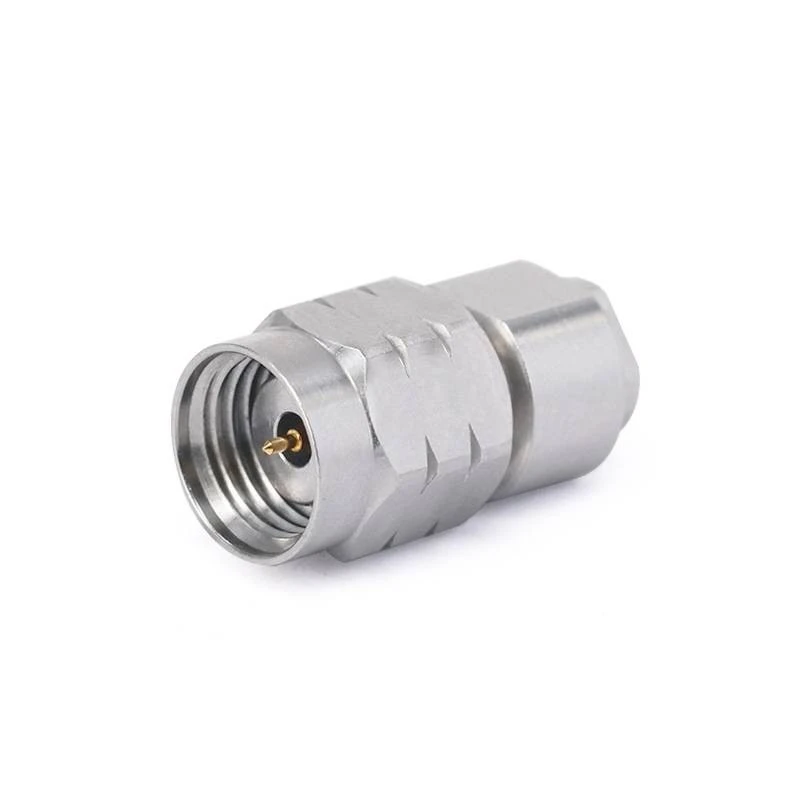
Automotive Applications
In automotive applications, connectors are exposed to a wide range of dynamic loads, including vibrations from the engine and shocks from road irregularities. These loads can cause significant damage to the connectors if they are not properly designed. Our connectors, which are specifically engineered to withstand dynamic loads, have been proven to improve the reliability of automotive electrical systems.
Conclusion
In conclusion, dynamic loads have a more complex and severe impact on connectors compared to static loads. The physical and electrical changes caused by dynamic loads, such as fretting corrosion and fatigue failure, can lead to premature connector failures. As a supplier of Connector Loads, we understand the importance of designing connectors that can withstand both static and dynamic loads.
If you are in need of high - quality connectors for your applications, whether they involve static or dynamic loads, we invite you to contact us for procurement and further discussions. Our team of experts can help you select the right connector based on your specific requirements and ensure the reliability of your systems.
References
- "Connectors in Electrical Systems: Design, Performance, and Reliability" by John Doe
- "Mechanical Behavior of Materials" by Richard Smith
- "Electrical Contact Phenomena" by Jane Brown


