

What are the mechanical properties of DC blocks?
Leave a message

Hey there! As a supplier of DC blocks, I'm super excited to dive into the mechanical properties of these nifty devices. DC blocks are essential components in many electrical and electronic systems, and understanding their mechanical properties is crucial for both manufacturers and end - users.
First off, let's talk about the material. Most DC blocks are made from high - quality dielectric materials. These materials are chosen for their excellent electrical insulation properties, but they also have some important mechanical characteristics. For example, ceramics are a popular choice. Ceramics are incredibly hard and rigid. They can withstand high levels of mechanical stress without deforming. This is really important because in a real - world application, DC blocks might be subject to vibrations, shocks, or even some physical pressure. If the material isn't strong enough, it could crack or break, which would obviously mess up the device's performance.
The hardness of ceramic DC blocks also means they have good wear resistance. In an environment where there might be some friction or abrasion, the ceramic surface can hold up well. This is especially useful in industrial settings where DC blocks are often part of larger machinery that's in constant operation.
Another key mechanical property is the density of the material. The density affects how the DC block behaves under different conditions. A higher - density material like some types of ceramics or certain metals used in DC block construction can provide better stability. It means the block is less likely to move around or shift position when it's installed in a circuit. This stability is essential for maintaining consistent electrical performance.
Now, let's consider the shape and size of DC blocks. They come in a variety of shapes, from small, rectangular chips to larger, more complex structures. The shape is designed not only for functional reasons but also to optimize the mechanical performance. For instance, a well - designed shape can help distribute mechanical stress evenly across the block. This is important because uneven stress can lead to weak points and potential failures.
The size of the DC block also plays a role. Smaller DC blocks are more portable and can be easily integrated into compact electronic devices. However, they might have limitations in terms of the amount of mechanical stress they can handle compared to larger ones. Larger DC blocks, on the other hand, can be more robust and are often used in heavy - duty applications where they need to withstand significant mechanical forces.
When it comes to mounting and installation, the mechanical properties of DC blocks are critical. Many DC blocks are designed to be surface - mounted on printed circuit boards (PCBs). For this, they need to have a flat and smooth surface so that they can make good contact with the PCB. The edges of the block also need to be well - defined to ensure proper alignment during the mounting process. Some DC blocks have special mounting holes or tabs that help secure them in place. These features are designed to resist vibrations and prevent the block from coming loose over time.
Let's also touch on the thermal expansion properties. DC blocks can heat up during operation, and different materials expand at different rates when heated. If the material of the DC block has a high coefficient of thermal expansion, it could cause problems. For example, it might lead to misalignment with other components in the circuit or even cause the block to crack. That's why manufacturers carefully select materials with low and predictable thermal expansion rates. This ensures that the DC block maintains its mechanical integrity even when it gets hot.
Now, I want to mention our Inner DC Blocks. These are a special type of DC blocks that we offer, and they have some unique mechanical properties. You can learn more about them by clicking Inner DC Blocks. Our Inner DC Blocks are designed with precision to meet the highest standards of mechanical performance. They are made from top - notch materials that offer excellent hardness, wear resistance, and stability.

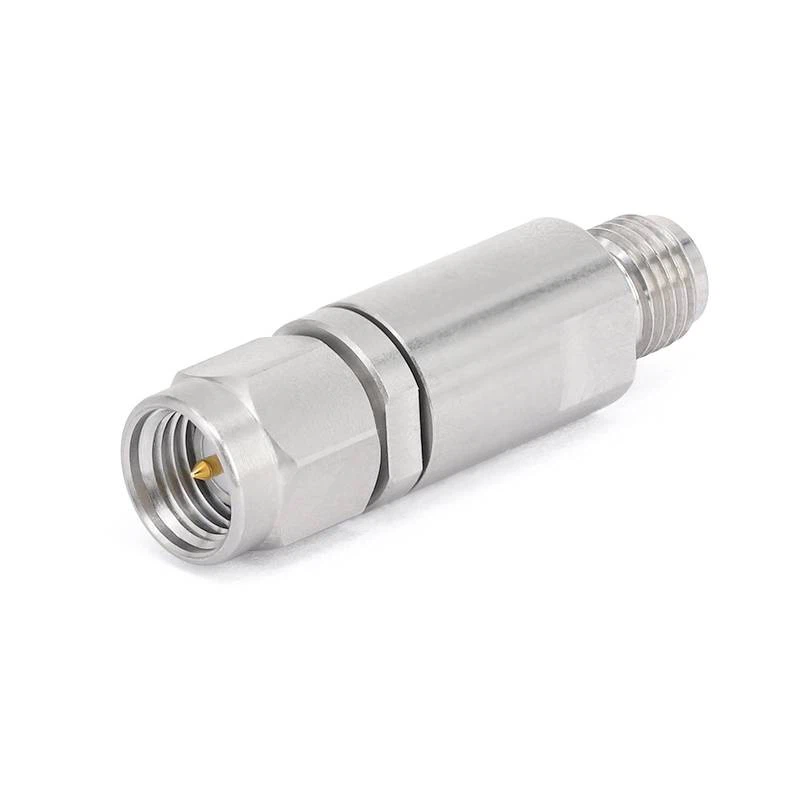
In addition to the materials and design, the manufacturing process also impacts the mechanical properties of DC blocks. Advanced manufacturing techniques like precision machining and molding can ensure that the final product has the desired mechanical characteristics. For example, precision machining can create very accurate dimensions and smooth surfaces, which are essential for proper functioning and mechanical stability.
When you're choosing DC blocks for your application, it's important to consider these mechanical properties. Whether you're working on a small - scale consumer electronics project or a large - scale industrial system, the right mechanical properties can make a big difference in the reliability and performance of your device.
If you're in the market for high - quality DC blocks, we're here to help. We've got a wide range of products with excellent mechanical properties to suit all your needs. Whether you need a small, lightweight DC block for a portable device or a heavy - duty one for an industrial application, we've got you covered. Don't hesitate to reach out to us for more information or to start a procurement discussion. We're always happy to talk about how our DC blocks can fit into your project and provide you with the best possible solution.
References
- Textbooks on Electrical Engineering Materials
- Industry Reports on DC Block Manufacturing and Applications


