

How do mechanical properties influence the use of VNA test cables?
Leave a message

Mechanical properties play a crucial role in determining the performance and suitability of VNA (Vector Network Analyzer) test cables for various applications. As a leading supplier of VNA Test Cables, I have witnessed firsthand how these properties can significantly influence the use and effectiveness of these cables in real - world testing scenarios.
Flexibility
One of the most important mechanical properties of VNA test cables is flexibility. In a testing environment, cables often need to be routed around equipment, through tight spaces, and adjusted frequently. A highly flexible cable allows for easy maneuverability, reducing the risk of cable damage due to bending or kinking.
Flexible cables are particularly useful in setups where the VNA and the device under test are not in a fixed position. For example, in a laboratory setting where multiple tests are being conducted on different devices, the ability to easily re - position the cables without causing performance degradation is essential. A cable with poor flexibility may develop micro - cracks in the inner conductor or dielectric when bent, which can lead to signal loss and inaccurate test results.
On the other hand, excessive flexibility can also be a drawback. If a cable is too flexible, it may be more prone to tangling, which can make the testing setup more difficult to manage. Therefore, a balance must be struck between flexibility and stiffness to ensure optimal performance.
Bend Radius
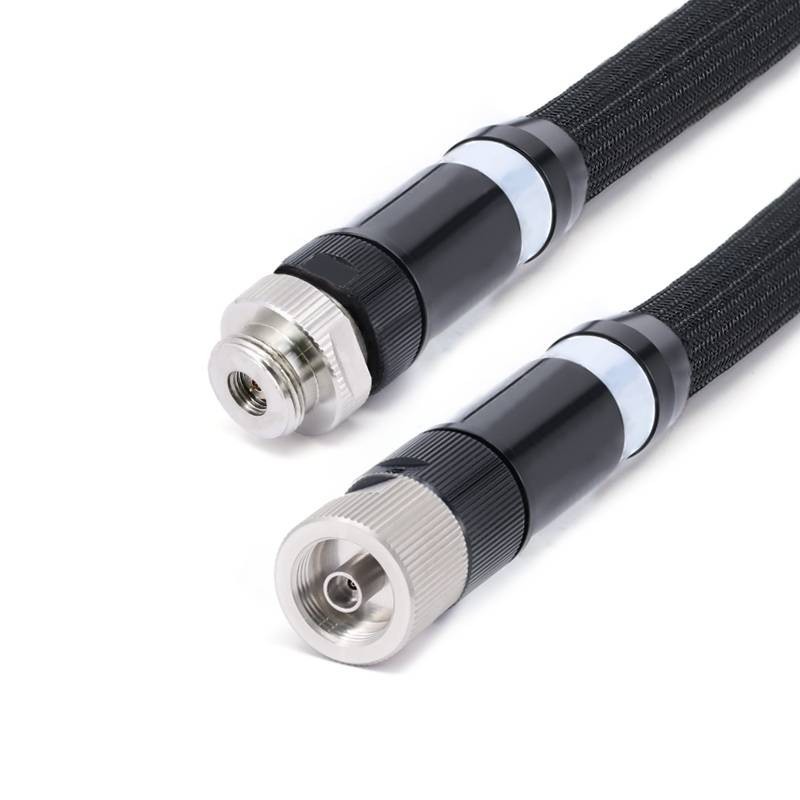
The bend radius of a VNA test cable is another critical mechanical property. It refers to the minimum radius around which a cable can be bent without causing significant damage to its internal structure. A smaller bend radius allows for more compact cable routing, which is beneficial in space - constrained environments such as in - rack testing or in a densely packed test bench.
However, bending a cable beyond its specified bend radius can have severe consequences. It can cause the outer conductor to crack, the dielectric to deform, and the inner conductor to break or become misaligned. These physical changes can lead to increased signal attenuation, impedance mismatches, and reflections, all of which can negatively impact the accuracy of VNA measurements.
When selecting VNA test cables, it is important to consider the expected bending requirements of the testing environment. For applications where sharp bends are unavoidable, cables with a smaller bend radius should be chosen. For example, in some high - density PCB testing applications, cables with a very small bend radius are necessary to reach the test points on the board.
Tensile Strength
Tensile strength is the maximum amount of tensile (pulling) stress that a cable can withstand before breaking. In a testing environment, cables may be subjected to pulling forces during installation, re - routing, or when being connected and disconnected from equipment. A cable with high tensile strength is less likely to break under these conditions, ensuring the reliability of the testing setup.
Low - tensile - strength cables are more prone to failure, which can not only disrupt the testing process but also lead to additional costs for cable replacement. For example, in a production testing line where cables are frequently moved and adjusted, a cable with low tensile strength may break after a relatively short period of use, causing downtime and potentially affecting the production schedule.
To ensure the long - term durability of VNA test cables, it is advisable to choose cables with a high tensile strength. This is especially important in industrial testing environments where cables are exposed to more rigorous handling.
Connector Durability
The connectors on VNA test cables are also subject to mechanical stress. They are frequently plugged and unplugged, which can cause wear and tear over time. The durability of the connectors is crucial for maintaining a stable electrical connection and accurate test results.
High - quality connectors are designed to withstand a large number of mating cycles without significant degradation in performance. They are often made from materials that are resistant to corrosion and mechanical damage. For example, gold - plated connectors are commonly used in VNA test cables because gold is a good conductor and is resistant to oxidation.
In addition to the material quality, the design of the connectors also plays a role in their durability. A well - designed connector will have a secure locking mechanism that prevents accidental disconnection during testing. This is important because even a momentary disconnection can cause inaccurate measurements and disrupt the testing process.
Impact on Measurement Accuracy
The mechanical properties of VNA test cables can have a direct impact on measurement accuracy. As mentioned earlier, issues such as micro - cracks, impedance mismatches, and signal attenuation caused by poor mechanical properties can lead to inaccurate VNA measurements.
For example, if a cable has a damaged outer conductor due to excessive bending, it can cause electromagnetic interference (EMI) and affect the signal integrity. This can result in inaccurate readings of parameters such as scattering parameters (S - parameters), which are commonly used in VNA testing to characterize the behavior of microwave devices.
To ensure accurate measurements, it is essential to use VNA test cables with good mechanical properties. Regular inspection and maintenance of the cables can also help to identify and address any potential mechanical issues before they affect the measurement results.
Compatibility with Calibration Kits
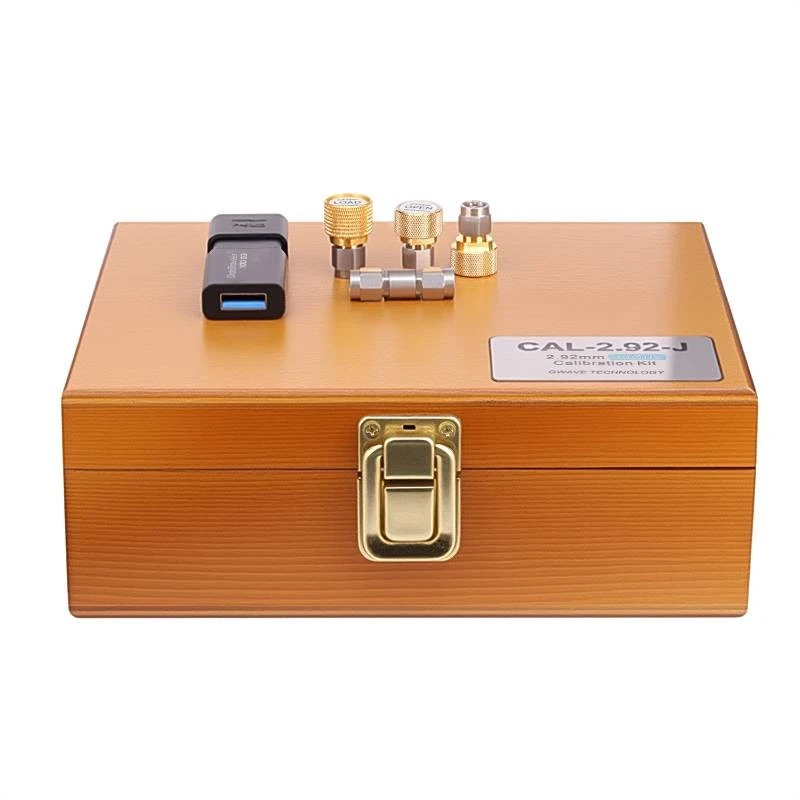
When using VNA test cables, it is important to consider their compatibility with Calibration Kits. Calibration is a crucial step in VNA testing to ensure the accuracy of the measurements. The mechanical properties of the cables can affect the calibration process.
For example, if the cables have different physical characteristics (such as length, bend radius, or connector type) than the cables used during the calibration, it can introduce errors in the measurements. Therefore, it is recommended to use cables that are specifically designed to be compatible with the calibration kits.
In some cases, the calibration process may need to be adjusted if the mechanical properties of the cables change over time. For example, if a cable has been bent beyond its recommended bend radius and its electrical properties have been affected, the calibration may need to be repeated to account for these changes.
Cost - Benefit Analysis
When selecting VNA test cables, it is important to conduct a cost - benefit analysis. Cables with superior mechanical properties often come at a higher cost. However, the long - term benefits of using high - quality cables can outweigh the initial investment.
High - quality cables are more reliable, require less frequent replacement, and can provide more accurate measurements. This can lead to cost savings in the long run, especially in high - volume testing applications. For example, in a production testing facility, the use of reliable VNA test cables can reduce downtime, improve the quality of the tested products, and ultimately increase the overall productivity.
On the other hand, choosing low - cost cables with poor mechanical properties may result in frequent cable failures, inaccurate measurements, and additional costs for cable replacement and re - testing. Therefore, it is important to balance the cost and the mechanical properties of the cables based on the specific requirements of the testing application.
Conclusion
In conclusion, the mechanical properties of VNA test cables have a profound influence on their use in various testing scenarios. Flexibility, bend radius, tensile strength, connector durability, and their impact on measurement accuracy and calibration all need to be carefully considered when selecting VNA test cables.
As a supplier of VNA Test Cables, we understand the importance of these mechanical properties and offer a wide range of cables that are designed to meet the diverse needs of our customers. Whether you are conducting research in a laboratory, testing products in a production line, or performing field testing, we have the right cables for your application.
If you are interested in learning more about our VNA test cables or would like to discuss your specific testing requirements, please feel free to contact us. We are committed to providing you with the highest - quality products and excellent customer service. Let us work together to ensure the accuracy and reliability of your VNA testing.
References
- Pozar, D. M. (2011). Microwave Engineering. Wiley.
- Collin, R. E. (2001). Foundations for Microwave Engineering. Wiley - Interscience.
- Application notes from leading VNA and test - cable manufacturers.


