
How do phase trimmers compare with other phase - control devices?
Leave a message

In the realm of electrical engineering and RF (Radio Frequency) technology, phase control is a critical aspect that significantly impacts the performance of various systems. Phase trimmers are one of the key devices used for phase control, and in this blog, we'll delve into how they compare with other phase - control devices. As a Phase Trimmers supplier, I have in - depth knowledge and hands - on experience with these products, which will help us explore this topic comprehensively.
Understanding Phase Control
Before we start comparing phase trimmers with other devices, it's essential to understand what phase control is. In an electrical or RF system, the phase of a signal refers to the position of the waveform relative to a reference point. Phase control involves adjusting this position to achieve specific system requirements, such as synchronizing multiple signals, optimizing power transfer, or improving signal quality.
Phase Trimmers: An Overview
Phase trimmers, also known as RF phase trimmers, are passive devices designed to provide fine - tuned phase adjustment in RF and microwave circuits. They offer a variable phase shift that can be adjusted manually or through mechanical means. You can learn more about Phase Trimmers. These devices are typically constructed using high - quality dielectric materials and precision - engineered components to ensure stable and accurate phase adjustment over a wide range of frequencies.
Comparison with Varactor Diodes
Varactor diodes are another popular choice for phase control. They are semiconductor devices whose capacitance changes with the applied voltage. By varying the voltage across the varactor diode, the phase of the signal passing through it can be adjusted.
One of the main advantages of varactor diodes is their fast response time. They can change the phase of a signal almost instantaneously, making them suitable for applications where rapid phase adjustments are required, such as in phased - array antennas for radar systems. However, varactor diodes have some limitations. They are sensitive to temperature variations, which can cause the phase shift to drift. Additionally, they require a bias voltage source, which adds complexity to the circuit design.
In contrast, phase trimmers offer a more stable phase adjustment. They are less affected by temperature changes and do not require a bias voltage. This makes them ideal for applications where long - term stability is crucial, such as in communication systems where consistent signal quality is essential. However, phase trimmers have a slower adjustment speed compared to varactor diodes, as they are typically adjusted manually or mechanically.
Comparison with Phase - Locked Loops (PLLs)
Phase - locked loops are sophisticated phase - control systems that consist of a phase detector, a loop filter, and a voltage - controlled oscillator (VCO). The PLL compares the phase of an input signal with a reference signal and adjusts the output of the VCO to minimize the phase difference between the two signals.
PLLs are highly accurate and can achieve very precise phase control. They are widely used in applications such as frequency synthesis, clock recovery, and synchronization in digital communication systems. However, PLLs are complex and expensive to implement. They require careful design and calibration to ensure proper operation, and they consume more power compared to phase trimmers.
Phase trimmers, on the other hand, are simple and cost - effective. They are easy to install and do not require complex calibration procedures. They are a great choice for applications where a basic level of phase adjustment is needed and cost is a significant factor, such as in some consumer electronics products.
Comparison with Digital Phase Shifters
Digital phase shifters use digital control signals to adjust the phase of a signal. They offer discrete phase steps and can be easily integrated into digital systems. Digital phase shifters are highly programmable and can be controlled remotely, which makes them suitable for applications where automated phase control is required, such as in smart antenna systems.
However, digital phase shifters are limited in terms of the number of phase steps they can provide. They also have a relatively high insertion loss, which can degrade the signal quality. Phase trimmers, in contrast, offer continuous phase adjustment, which allows for more precise control in some applications. They generally have lower insertion loss, resulting in better signal integrity.
Applications of Phase Trimmers
Phase trimmers find a wide range of applications in different industries. In the telecommunications industry, they are used in RF amplifiers, mixers, and filters to optimize the phase of signals and improve the overall performance of communication systems. In the aerospace and defense sector, phase trimmers are used in radar systems, satellite communication systems, and electronic warfare equipment to ensure accurate signal processing and transmission.
In the test and measurement industry, phase trimmers are essential for calibrating and testing RF and microwave equipment. They allow engineers to adjust the phase of test signals precisely, ensuring accurate measurement results.

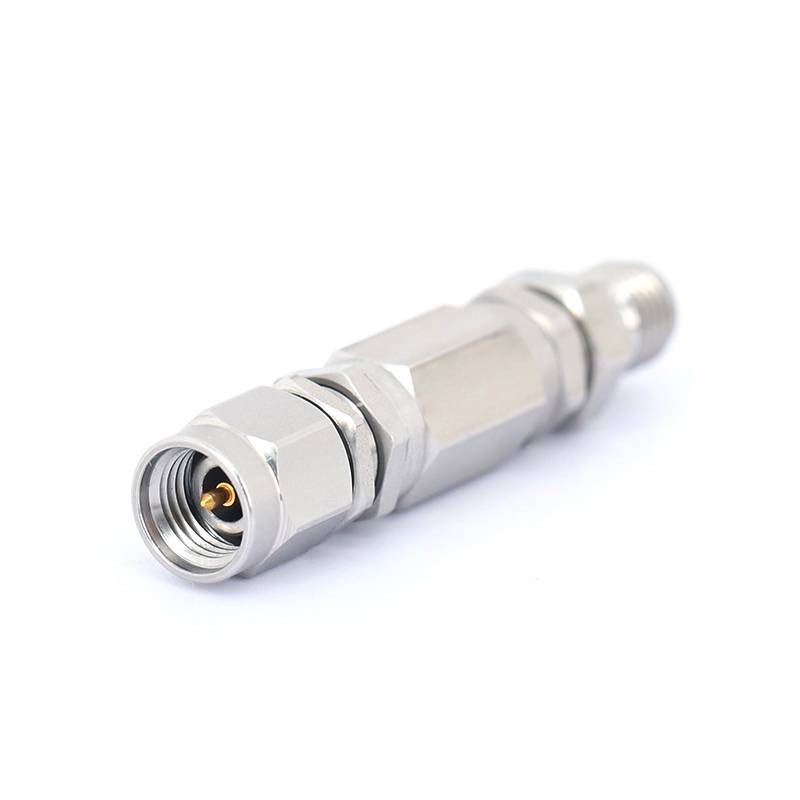
Why Choose Our Phase Trimmers
As a Phase Trimmers supplier, we take pride in offering high - quality products. Our phase trimmers are manufactured using the latest technology and the best materials, ensuring excellent performance and reliability. We offer a wide range of phase trimmers with different specifications to meet the diverse needs of our customers.
Our products are designed to provide stable and accurate phase adjustment over a wide range of frequencies. They are also highly durable and can withstand harsh environmental conditions. Whether you need a phase trimmer for a small - scale consumer electronics project or a large - scale industrial application, we have the right solution for you.
Conclusion
In conclusion, phase trimmers have their unique advantages and disadvantages when compared with other phase - control devices. While they may not be as fast as varactor diodes or as precise as PLLs in some aspects, they offer stability, simplicity, and cost - effectiveness. Their continuous phase adjustment and low insertion loss make them a preferred choice for many applications.
If you are in the market for phase - control devices and are considering phase trimmers, we encourage you to reach out to us. We are ready to provide you with detailed product information, technical support, and competitive pricing. Contact us to start a discussion about your specific requirements and explore how our phase trimmers can meet your needs. Our team of experts is eager to assist you in finding the best phase - control solution for your project.
References
- Pozar, D. M. (2011). Microwave Engineering. Wiley.
- Gonzalez, G. (2010). Microwave Transistor Amplifiers: Analysis and Design. Prentice Hall.
- Razavi, B. (2013). RF Microelectronics. Prentice Hall.


