

Are there any RF adapters for low - power applications?
Leave a message

Hey there! As an RF adapter supplier, I often get asked if there are any RF adapters for low - power applications. Well, the short answer is yes, and in this blog, I'll break down everything you need to know about RF adapters for low - power use.
First off, let's understand what low - power applications are. Low - power applications typically involve devices that operate with a relatively small amount of power. These can include things like wireless sensors, wearable devices, and some types of IoT (Internet of Things) gadgets. In these applications, power efficiency is crucial because the devices often run on batteries, and long battery life is a must.
So, why do we need RF adapters in low - power applications? RF adapters play a vital role in connecting different RF components. They ensure that the RF signals can be transferred smoothly between various parts of a system. For example, if you have a sensor that uses one type of RF connector and a receiver with a different type, an RF adapter can bridge the gap.
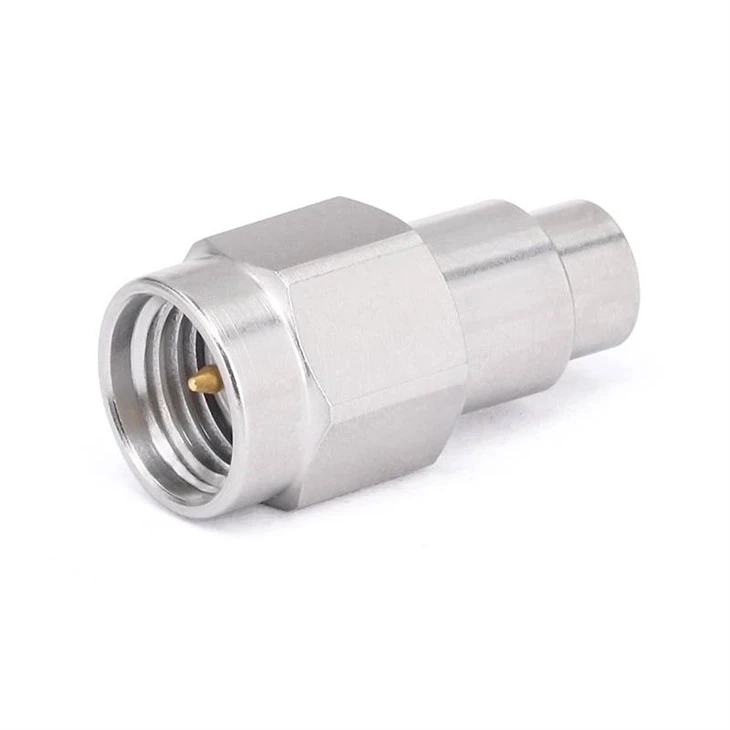
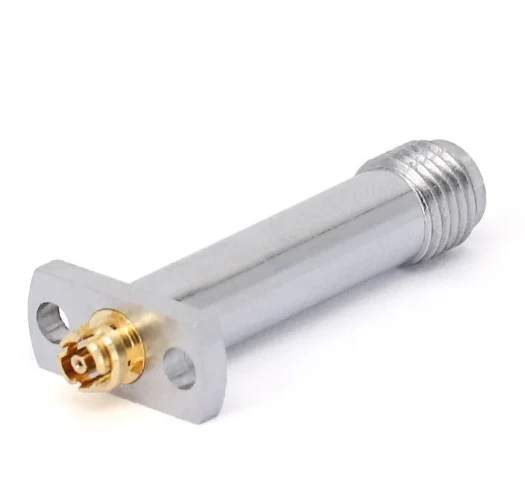
Now, let's talk about some specific RF adapters that are suitable for low - power applications.
One popular option is the GPO SMP Adapter. The GPO SMP Adapter is known for its compact size and excellent electrical performance. In low - power applications, space is often at a premium, and the small form factor of this adapter makes it a great choice. It can handle high - frequency signals with low loss, which is essential for maintaining the integrity of the RF signal in a low - power system. The GPO SMP Adapter also has a reliable connection mechanism, ensuring that the signal transfer is stable, even in environments where there might be some vibrations or movement.
Another commonly used adapter is the SMA Adapter. SMA Adapters are widely used in RF systems, and they are also well - suited for low - power applications. They are relatively easy to install and can provide a good match for different impedance levels. This is important because in low - power systems, any impedance mismatch can lead to signal reflections and power loss. The SMA Adapter's ability to handle a wide range of frequencies and its durability make it a go - to option for many low - power device manufacturers.
For applications that involve waveguide systems, the WR12 Straight Waveguide Adapter is a great choice. Waveguide systems are often used in high - frequency RF applications, and even in low - power systems where high - frequency signals need to be transmitted, the WR12 Straight Waveguide Adapter can be very useful. It allows for the seamless connection of different waveguide components, ensuring that the RF signals can pass through with minimal attenuation.
When choosing an RF adapter for low - power applications, there are a few key factors to consider.
- Insertion Loss: This is perhaps the most important factor. Insertion loss refers to the amount of power that is lost as the RF signal passes through the adapter. In low - power applications, we want to minimize this loss as much as possible. A good adapter will have a low insertion loss, which means more of the power from the source will reach the destination.
- Frequency Range: Different low - power applications operate at different frequencies. You need to make sure that the RF adapter you choose can handle the frequency range of your specific application. For example, if your device operates in the 2.4 GHz - 5 GHz range, the adapter should be able to support this frequency band without significant signal degradation.
- Size and Weight: As mentioned earlier, space is often limited in low - power devices. A smaller and lighter adapter is usually preferred. This not only helps in fitting the adapter into the compact device but also reduces the overall weight, which can be important for portable or wearable devices.
- Manufacturing Quality: The quality of the adapter's construction matters. A well - made adapter will have better electrical performance and will be more reliable over time. Look for adapters that are made from high - quality materials and have a good manufacturing process behind them.
At our company, we understand the unique requirements of low - power applications, and we offer a wide range of RF adapters that are carefully designed to meet these needs. Our team of experts can help you select the right adapter for your specific application. Whether you're working on a small - scale IoT project or a large - scale wireless sensor network, we have the solutions you need.
If you're in the market for RF adapters for low - power applications, we'd love to hear from you. We can provide you with detailed product information, samples, and competitive pricing. Don't hesitate to reach out to us for a consultation. We're here to help you find the perfect RF adapter solution for your low - power project.
In conclusion, there are definitely RF adapters available for low - power applications. The key is to understand your specific requirements and choose the adapter that best meets those needs. With the right adapter, you can ensure that your low - power RF system operates efficiently and reliably.
References
- Pozar, D. M. (2011). Microwave Engineering. Wiley.
- Collier, R. E. (2001). RF and Microwave Coupling. Artech House.


