

How does an antenna transmit signals?
Leave a message

Hey there! As a supplier of antennas, I often get asked how an antenna actually transmits signals. It's a super interesting topic, and I'm stoked to break it down for you.
Let's start with the basics. An antenna is essentially a device that converts electrical signals into electromagnetic waves and vice versa. When we talk about signal transmission, we're mainly focusing on that conversion from electrical to electromagnetic.
First off, we need to understand what an electrical signal is. In simple terms, it's a flow of electrons through a conductor, like a wire. This flow can be manipulated to carry information, whether it's the audio in a radio broadcast, the data in a Wi - Fi connection, or the video in a TV signal.
Now, how does an antenna turn this electrical signal into something that can travel through the air? Well, it all comes down to the principle of electromagnetism. When an alternating current (AC) flows through an antenna, it creates a constantly changing magnetic field around the antenna. According to Maxwell's equations, a changing magnetic field induces an electric field, and vice versa. This interaction between the electric and magnetic fields gives rise to electromagnetic waves.
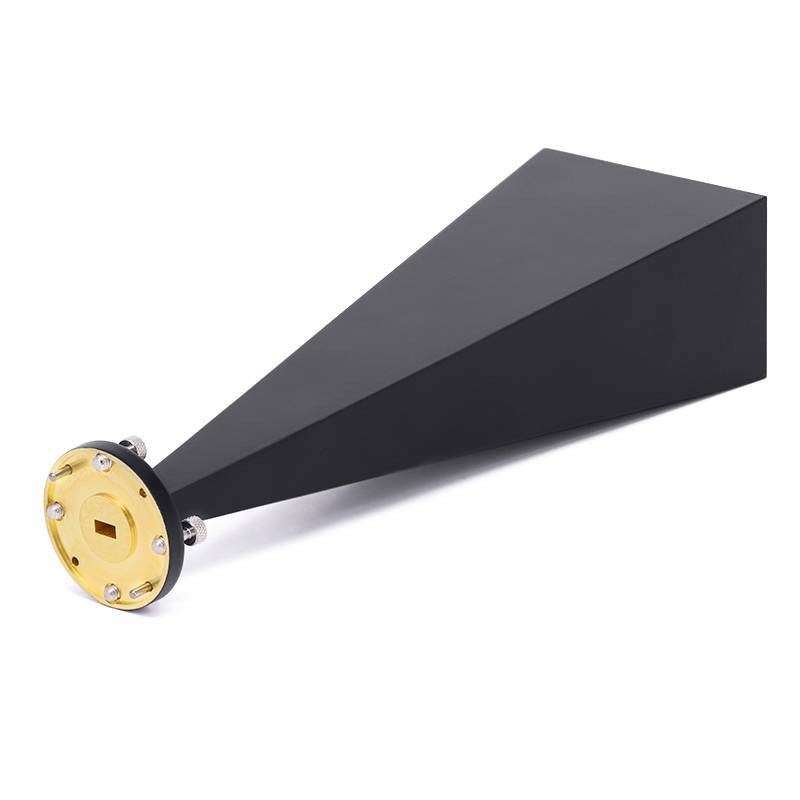
The size and shape of an antenna play a crucial role in how it transmits signals. Different types of antennas are designed for different frequencies and applications. For example, Horn Antennas are great for high - frequency applications. They have a flared shape that helps to direct the electromagnetic waves in a specific direction. This makes them ideal for point - to - point communication, like in satellite links or radar systems.
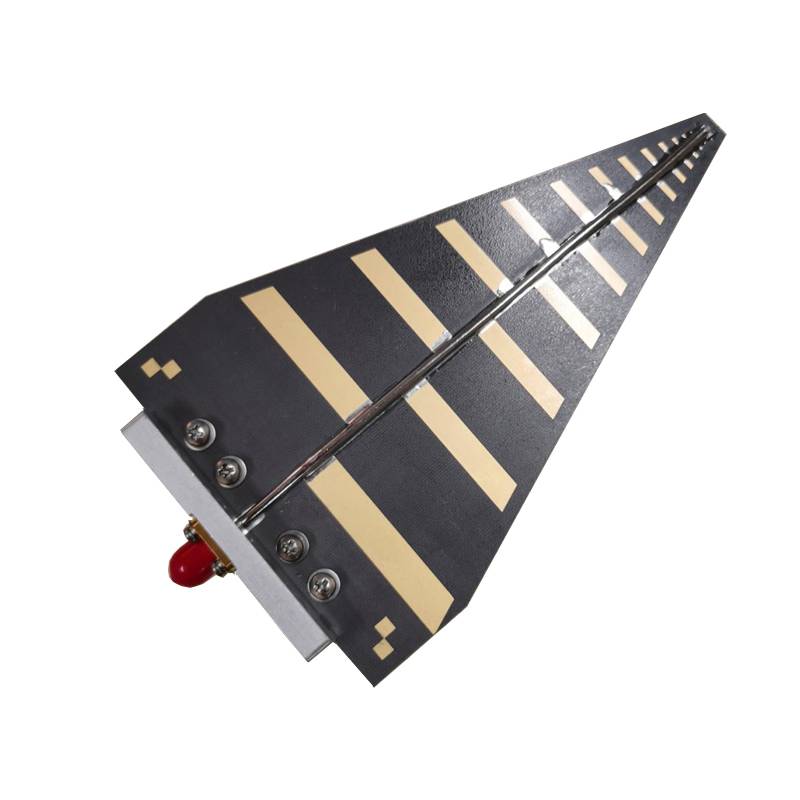
On the other hand, Log - periodic Antennas are designed to work over a wide range of frequencies. Their unique structure allows them to maintain consistent performance across different frequencies, making them popular for radio and TV broadcasting.
Let's dig a bit deeper into the process of signal transmission. When an electrical signal is fed into an antenna, it causes the electrons in the antenna to oscillate. These oscillating electrons create the changing magnetic and electric fields that form the electromagnetic waves. The frequency of the electrical signal determines the frequency of the electromagnetic waves. For instance, if you're transmitting a radio signal at 100 MHz, the antenna will generate electromagnetic waves with a frequency of 100 million cycles per second.
The power of the electrical signal also matters. A stronger electrical signal will result in more intense electromagnetic waves. However, there are limits to how much power an antenna can handle. If you feed too much power into an antenna, it can overheat and even get damaged.
Another important factor is the radiation pattern of the antenna. This is basically the way the antenna distributes the electromagnetic waves in space. Some antennas, like omnidirectional antennas, radiate the waves evenly in all directions. These are commonly used for applications where you need to cover a wide area, such as Wi - Fi routers. Other antennas, like directional antennas, focus the waves in a specific direction. This can be useful for long - distance communication or when you want to avoid interference from other sources.
Now, let's talk about how these electromagnetic waves travel through the air. Once the antenna has generated the waves, they propagate through space at the speed of light (which is about 300,000 kilometers per second). As they travel, they can interact with various objects in their path. For example, they can be reflected off buildings or mountains, refracted when passing through different media, or absorbed by certain materials.
When the electromagnetic waves reach a receiving antenna, the process is reversed. The waves induce an electrical current in the receiving antenna, which can then be decoded to retrieve the original information.
So, as you can see, there's a lot going on when an antenna transmits signals. It's a complex but fascinating process that combines principles of electricity, magnetism, and wave propagation.
At our company, we're all about providing high - quality antennas that can handle a wide range of applications. Whether you need a horn antenna for a high - frequency project or a log - periodic antenna for a multi - frequency setup, we've got you covered. Our team of experts is always on hand to help you choose the right antenna for your needs.
If you're in the market for antennas, we'd love to have a chat with you. Whether you're a small business looking to set up a Wi - Fi network or a large corporation in need of a sophisticated communication system, we can offer the perfect solution. Don't hesitate to reach out and start a conversation about your antenna requirements. We're here to make sure you get the best performance and value for your money.
References
- "Antennas: From Theory to Practice" by Balanis, Constantine A.
- "Electromagnetic Waves and Radiating Systems" by Jordan, Edward C. and Balmain, Keith G.


