

How does humidity impact the reliability of VNA test cables?
Leave a message

Hey there! As a supplier of VNA Test Cables, I've seen firsthand how different environmental factors can mess with the performance of these cables. One factor that often gets overlooked is humidity. In this blog, I'll break down how humidity impacts the reliability of VNA test cables and why it's something you should keep an eye on.
What Are VNA Test Cables?
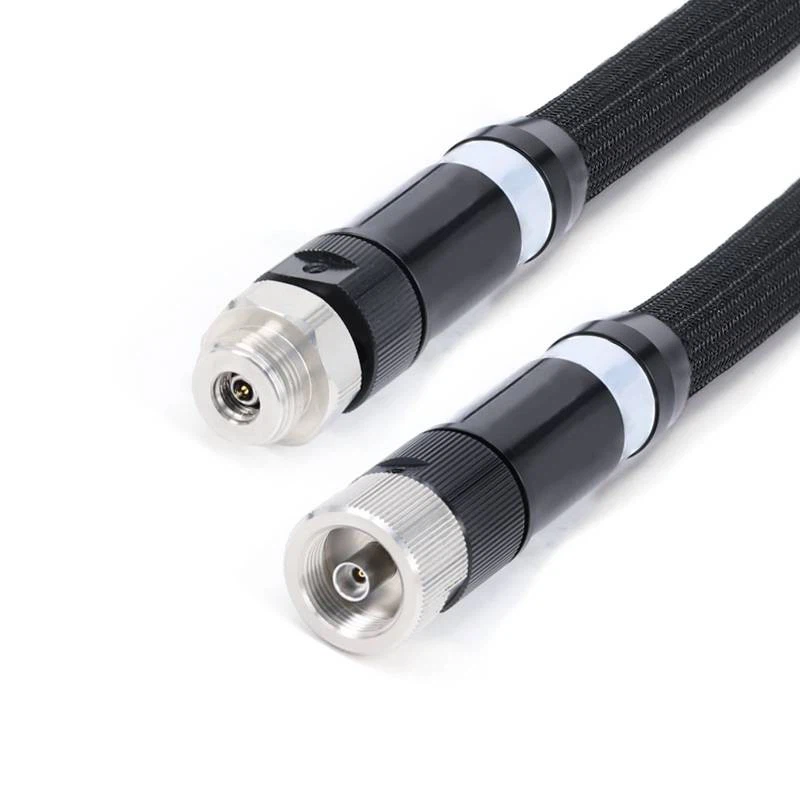
Before we dive into the humidity stuff, let's quickly go over what VNA Test Cables are. VNA stands for Vector Network Analyzer. These cables are used to connect the VNA to the device under test (DUT). They play a crucial role in accurately measuring the electrical properties of the DUT, like scattering parameters (S - parameters). You can find more about VNA Test Cables on our website VNA Test Cables.
How Humidity Affects VNA Test Cables
Dielectric Properties
The dielectric material inside the VNA test cables is a key component. It helps to insulate the conductors and maintain the signal integrity. Humidity can change the dielectric constant of this material. When the air is humid, water molecules can get absorbed into the dielectric material. Water has a relatively high dielectric constant compared to most dielectric materials used in cables. As a result, the overall dielectric constant of the cable's dielectric material increases.
This change in the dielectric constant can lead to a shift in the cable's characteristic impedance. The characteristic impedance is supposed to be a fixed value for a cable, and any deviation from this value can cause signal reflections. Signal reflections are bad news because they can distort the measurement results obtained from the VNA. For example, if you're trying to measure the S - parameters of a microwave device, these reflections can make the measured values inaccurate, leading to incorrect analysis of the device's performance.
Corrosion
Another big issue caused by humidity is corrosion. The connectors on VNA test cables are typically made of metals like brass, gold - plated brass, or other conductive materials. When exposed to high humidity, these metals can react with the moisture in the air and start to corrode.
Corrosion can cause several problems. First, it can increase the resistance at the connector interfaces. Higher resistance means more signal loss, which can again affect the accuracy of the VNA measurements. Second, corrosion can physically damage the connectors. Over time, the corroded parts may break off or become loose, leading to intermittent connections. An intermittent connection is a nightmare for VNA testing because it can cause inconsistent measurement results. You might get different readings each time you run the test, making it difficult to trust the data.

Mechanical Integrity
Humidity can also have an impact on the mechanical integrity of the cables. The outer jacket of VNA test cables is usually made of a polymer material. When exposed to high humidity for long periods, the polymer can absorb water. This absorption can cause the jacket to swell or become softer.
A swollen or softened jacket can put stress on the internal components of the cable, such as the conductors and the dielectric material. This stress can lead to micro - cracks in the dielectric or even damage the conductors. Once these micro - cracks form, they can further exacerbate the problems related to signal integrity. Additionally, a damaged jacket can expose the internal components to more moisture, creating a vicious cycle of degradation.
Impact on Calibration
Calibration is a critical step in VNA testing. Calibration ensures that the VNA and the test cables are providing accurate and reliable measurements. Humidity can throw a wrench in the calibration process.
Most Calibration Kits are designed to work under specific environmental conditions, including a certain range of humidity. When the humidity is outside this range, the calibration standards in the kit may not perform as expected.
For example, a calibration standard might have a known reflection coefficient that is used to calibrate the VNA. But if the humidity has affected the cables or the standard itself, the actual reflection coefficient may deviate from the known value. This deviation can make the calibration inaccurate, and any measurements taken after an inaccurate calibration will also be inaccurate.
Mitigating the Effects of Humidity
So, what can you do to reduce the impact of humidity on VNA test cables? Here are a few tips:
Storage
Proper storage is crucial. Store your VNA test cables in a dry environment. You can use humidity - controlled storage cabinets or rooms. These cabinets can maintain a low and stable humidity level, protecting the cables from the harmful effects of high humidity.
Regular Inspection
Regularly inspect your cables for signs of corrosion, damage to the jacket, or other issues. If you notice any signs of corrosion on the connectors, you can clean them using appropriate cleaning agents. However, be careful not to damage the connectors during the cleaning process.
Use Protective Covers
Consider using protective covers for the cable connectors. These covers can help to keep moisture away from the connectors, reducing the risk of corrosion. There are various types of protective covers available, such as rubber caps or plastic sleeves.
Conclusion
Humidity can have a significant impact on the reliability of VNA test cables. It can affect the dielectric properties, cause corrosion, damage the mechanical integrity of the cables, and mess up the calibration process. As a VNA Test Cables supplier, I understand how important it is to ensure the accuracy and reliability of your VNA measurements.
If you're facing issues with humidity affecting your VNA test cables or if you're in the market for new, high - quality VNA test cables, don't hesitate to reach out. We're here to help you find the right solutions for your testing needs. Whether you need advice on cable selection, storage, or dealing with humidity - related problems, we've got you covered. Let's work together to ensure that your VNA testing is as accurate and reliable as possible.
References
- "Microwave and RF Engineering" by David M. Pozar
- "Cable and Connector Handbook" by Jeff Upton


