
How to adjust the position of an SMA Adapter?
Leave a message

Hey there! As a supplier of SMA Adapters, I've seen firsthand how crucial it is to get the position of these little guys just right. In this blog, I'm gonna share some tips on how to adjust the position of an SMA Adapter.
First off, let's talk about why position adjustment matters. SMA Adapters are used in a wide range of RF (Radio Frequency) applications, like in wireless communication systems, test equipment, and more. If the adapter isn't positioned correctly, it can lead to signal loss, poor performance, and even damage to the equipment. So, getting that position spot - on is super important.
Tools You'll Need
Before we dive into the adjustment process, you'll need a few tools. A good set of precision screwdrivers is a must. You'll also want a torque wrench to ensure you're not overtightening or undertightening the adapter. And don't forget a magnifying glass or a microscope if you're working with really small components. This will help you see the details clearly.
Step 1: Check the Physical Environment
The first thing you gotta do is take a look at the physical environment where the SMA Adapter will be installed. Make sure there's enough space around it for proper installation and any future maintenance. Check for any obstructions, like other cables or components, that might interfere with the adapter's position.
If you're using other types of adapters along with the SMA Adapter, like the 3.5mm Adapter or the 2.4mm Adapter, make sure they are all compatible in terms of size and connection requirements. You don't want to end up with a jumbled mess of adapters that don't work well together.
Step 2: Initial Alignment
Once you've cleared the area, it's time to start the initial alignment. Carefully place the SMA Adapter near the connection point. Try to get it as close to the correct position as possible by eye. This is just a rough alignment, but it'll give you a good starting point.
If you're using an adapter in a waveguide system, like the WR12 Straight Waveguide Adapter, make sure the waveguide and the SMA Adapter are properly aligned. Any misalignment here can cause significant signal degradation.
Step 3: Fine - Tuning the Position
Now comes the tricky part - fine - tuning the position. Use your precision screwdrivers to make small adjustments. Start by loosening the mounting screws just a little bit. This will allow you to move the adapter slightly.
As you're making these adjustments, keep an eye on the connection. You want to make sure that the pins of the SMA Adapter are properly inserted into the corresponding socket. If the pins aren't aligned correctly, it can lead to a poor electrical connection.
Use your magnifying glass or microscope to check the alignment of the pins. You can also use a multimeter to test the continuity of the connection. If the multimeter shows a high resistance or no continuity at all, it means the position needs further adjustment.
Step 4: Tightening the Adapter
Once you're satisfied with the position, it's time to tighten the mounting screws. But be careful! Don't go overboard with the tightening. Use your torque wrench to apply the correct amount of torque. Over - tightening can damage the adapter or the mounting surface, while under - tightening can cause the adapter to come loose over time.
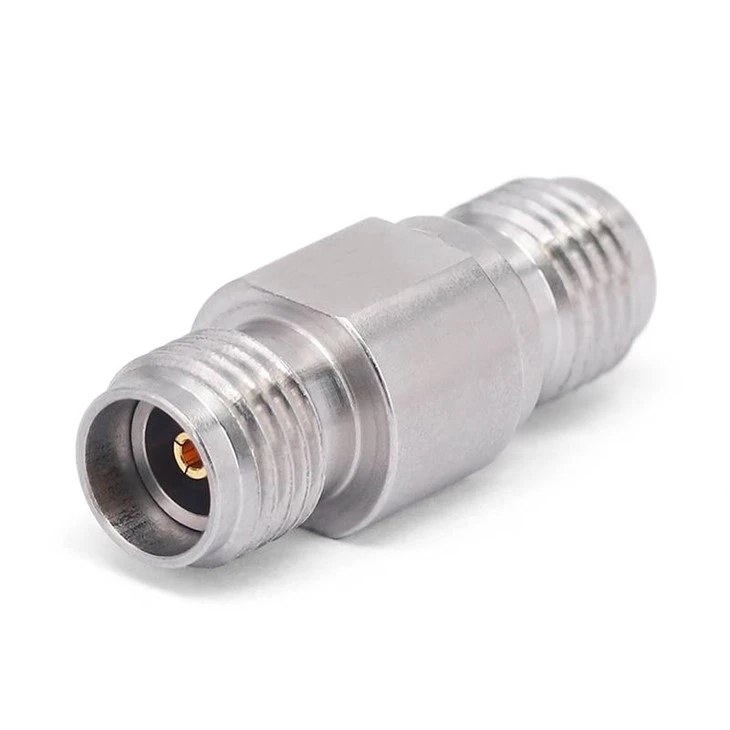
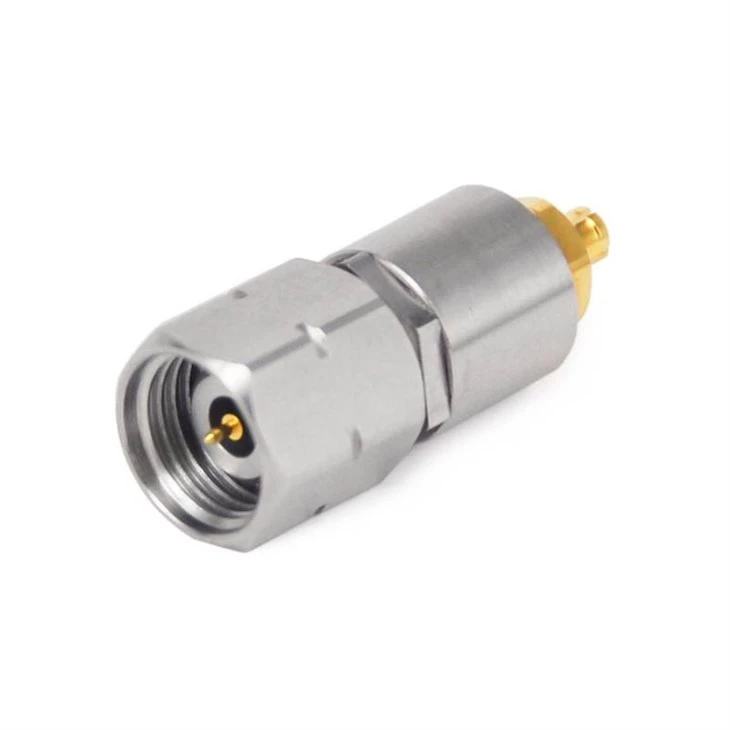
A good rule of thumb is to follow the manufacturer's specifications for the torque value. If you don't have that information, a light to medium - firm tightening should do the trick.
Step 5: Testing the Connection
After you've tightened the adapter, it's time to test the connection. Use your test equipment to send a test signal through the adapter. Check for any signs of signal loss, distortion, or interference.
If you notice any issues, don't panic. It might just mean that you need to make a few more minor adjustments to the position. Go back to step 3 and repeat the fine - tuning process until you get a clean, strong signal.
Step 6: Long - Term Monitoring
Even after you've got the adapter in the right position and the connection is working well, it's a good idea to keep an eye on it over time. Vibration, temperature changes, and other environmental factors can cause the adapter to shift slightly.
Periodically check the connection and the position of the adapter. If you notice any changes in the signal quality, it might be time to make some more adjustments.
Common Mistakes to Avoid
- Over - tightening: As I mentioned earlier, over - tightening can cause a lot of problems. It can damage the adapter, the mounting surface, or even the pins. So, always use a torque wrench and follow the recommended torque values.
- Ignoring the Physical Environment: Failing to check for obstructions or compatibility issues can lead to a difficult installation and poor performance. Take the time to assess the environment before you start.
- Not Testing the Connection: Skipping the testing step can mean that you miss a misaligned adapter. Always test the connection after you've made the adjustments to ensure everything is working as it should.
Conclusion
Adjusting the position of an SMA Adapter might seem like a small task, but it can have a big impact on the performance of your RF system. By following these steps and avoiding common mistakes, you can ensure that your SMA Adapter is installed correctly and working at its best.
If you're in the market for high - quality SMA Adapters or any other types of RF adapters, don't hesitate to reach out. We've got a wide range of products to meet your needs, and our team is always ready to help you with any questions or concerns you might have. Whether you're a professional in the industry or a DIY enthusiast, we're here to support you. So, let's get in touch and start a great partnership!
References
- RF Adapter Installation Guides from Industry Manufacturers
- Technical Papers on RF Signal Transmission and Adapter Alignment


