
What is the frequency range of RF loads?
Leave a message

In the realm of radio frequency (RF) technology, RF loads play a crucial role. As a dedicated RF loads supplier, I've had the privilege of delving deep into the intricacies of these components, especially when it comes to their frequency ranges. Understanding the frequency range of RF loads is essential for various applications, from telecommunications to aerospace. In this blog, I'll explore the frequency ranges of different types of RF loads and their significance in modern RF systems.
The Basics of RF Loads
Before we dive into the frequency ranges, let's briefly understand what RF loads are. RF loads are passive components designed to absorb RF energy without reflecting it back into the system. They are used to terminate transmission lines, as dummy loads for testing, and in a variety of other applications where controlled absorption of RF power is required.
Frequency Range Significance
The frequency range of an RF load determines its applicability in different RF systems. Different applications operate at different frequencies, and using an RF load with an appropriate frequency range is crucial for optimal performance. For example, a load used in a cellular base station will need to cover the frequency bands used by the cellular network, while a load used in a satellite communication system will need to operate at much higher frequencies.
Common Types of RF Loads and Their Frequency Ranges
N RF Loads
N RF Loads are widely used in many RF applications due to their robust design and relatively wide frequency range. These loads typically cover frequencies from DC (0 Hz) up to 18 GHz. The N connector, which is commonly used with these loads, is known for its durability and ability to handle high power levels. This makes N RF loads suitable for applications such as radar systems, wireless communication base stations, and test and measurement equipment.
The wide frequency range of N RF loads allows them to be used in a variety of systems operating at different frequencies. For example, in a radar system, the load can be used to terminate the transmission line and absorb any unwanted RF energy. In a wireless communication base station, it can be used for testing the performance of the RF system.
3.5mm RF Loads
3.5mm RF Loads are designed for high - frequency applications. They offer excellent performance in the frequency range from DC to 34 GHz. The 3.5mm connector is a precision connector that provides low insertion loss and high return loss, making it ideal for applications where high - frequency accuracy is required.
These loads are commonly used in microwave and millimeter - wave systems, such as satellite communication, high - speed data transmission, and microwave test equipment. In satellite communication, the high - frequency range of 3.5mm RF loads allows them to handle the frequencies used for satellite uplink and downlink. In high - speed data transmission, they can be used to terminate the transmission lines and ensure signal integrity.
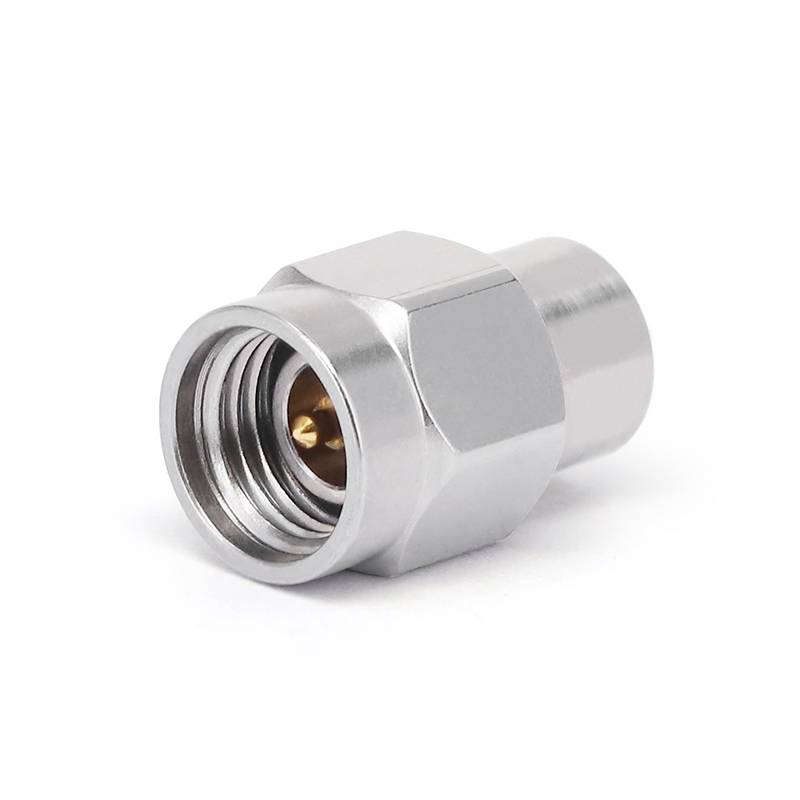
SMA RF Loads
SMA RF Loads are one of the most popular types of RF loads due to their compact size and wide availability. They typically cover frequencies from DC to 18 GHz. The SMA connector is a small - sized connector that is widely used in RF and microwave circuits.
SMA RF loads are used in a variety of applications, including wireless devices, RF modules, and test and measurement setups. In wireless devices, such as smartphones and Wi - Fi routers, SMA RF loads can be used to terminate the RF ports and prevent signal reflections. In test and measurement setups, they can be used to simulate different load conditions and test the performance of RF components.

Factors Affecting Frequency Range
Several factors can affect the frequency range of an RF load. One of the main factors is the design of the load itself. The materials used, the geometry of the load, and the type of connector all play a role in determining the frequency response. For example, a load with a more precise connector design will generally have a better frequency response at higher frequencies.
Another factor is the manufacturing process. High - quality manufacturing processes can ensure that the load has consistent performance across its frequency range. Any variations in the manufacturing process can lead to deviations in the frequency response, which can affect the performance of the RF system.
Importance of Choosing the Right Frequency Range
Choosing the right frequency range for an RF load is crucial for the overall performance of the RF system. If the frequency range of the load is too narrow, it may not be able to handle the frequencies used in the system, leading to signal reflections and poor performance. On the other hand, if the frequency range is too wide, it may not provide the optimal performance at the specific frequencies of interest.
For example, if a load with a frequency range of 0 - 10 GHz is used in a system that operates at 20 GHz, the load will not be able to absorb the RF energy effectively, and there will be significant signal reflections. This can lead to interference, reduced signal strength, and overall degradation of the system performance.
Customizing RF Loads for Specific Frequency Ranges
As an RF loads supplier, we understand that different customers may have specific requirements for the frequency range of their RF loads. That's why we offer custom - made RF loads to meet these unique needs. Our team of experts can work with customers to design and manufacture RF loads with the exact frequency range required for their applications.
Whether it's a load for a specialized radar system operating at a specific frequency or a load for a high - speed data transmission system, we have the expertise and resources to deliver high - quality RF loads with the desired frequency range.
Conclusion
In conclusion, the frequency range of RF loads is a critical parameter that determines their applicability in different RF systems. Different types of RF loads, such as N RF Loads, 3.5mm RF Loads, and SMA RF Loads, have different frequency ranges to suit various applications. Understanding the frequency range requirements of your RF system and choosing the right load is essential for optimal performance.
If you're in the market for RF loads and need assistance in selecting the right frequency range for your application, or if you have specific requirements for custom - made RF loads, please don't hesitate to contact us. Our team of experts is ready to help you find the perfect RF load solution for your needs.
References
- Pozar, D. M. (2011). Microwave Engineering. Wiley.
- Collin, R. E. (2001). Foundations for Microwave Engineering. Wiley.


