

How to choose a PCB connector for a low - power application?
Leave a message

Hey there! As a supplier of PCB Connectors, I've seen firsthand how crucial it is to pick the right connector for low - power applications. In this blog, I'll share some tips on how you can make that choice, so let's dive right in!
Understanding Low - Power Applications
First things first, we need to know what low - power applications are. These are devices or systems that consume a relatively small amount of electrical power. Think of things like wearable devices, wireless sensors, and some types of IoT (Internet of Things) gadgets. These applications often run on batteries, so power efficiency is key.
When it comes to low - power applications, the connector you choose can have a big impact on the overall performance and power consumption of the device. A poor connector choice might lead to power leakage, signal loss, or even system failure.
Key Factors to Consider When Choosing a PCB Connector for Low - Power Applications
1. Contact Resistance
Contact resistance is super important. It's the resistance that occurs at the point where the connector makes contact with the PCB. In low - power applications, even a small increase in contact resistance can cause a significant drop in power efficiency.
You want a connector with low contact resistance. This ensures that most of the power is delivered to the device rather than being wasted as heat. Look for connectors made from high - conductivity materials like copper or brass. And make sure the connector's plating is of good quality, as this can also affect contact resistance. For example, gold plating is often used because it has excellent conductivity and is resistant to corrosion.
2. Insertion and Extraction Force
Another factor to consider is the insertion and extraction force of the connector. In low - power applications, you might have delicate PCBs or small - sized devices. A connector that requires too much force to insert or extract can damage the PCB or other components.
On the other hand, if the insertion force is too low, the connector might not make a reliable connection. You need to find a balance. Some connectors come with features like self - aligning mechanisms or easy - to - use locking systems that can help with this.
3. Size and Form Factor
Size matters, especially in low - power applications where space is often limited. You want a connector that fits neatly onto the PCB without taking up too much room. There are all sorts of sizes and form factors available, from tiny surface - mount connectors to larger through - hole connectors.

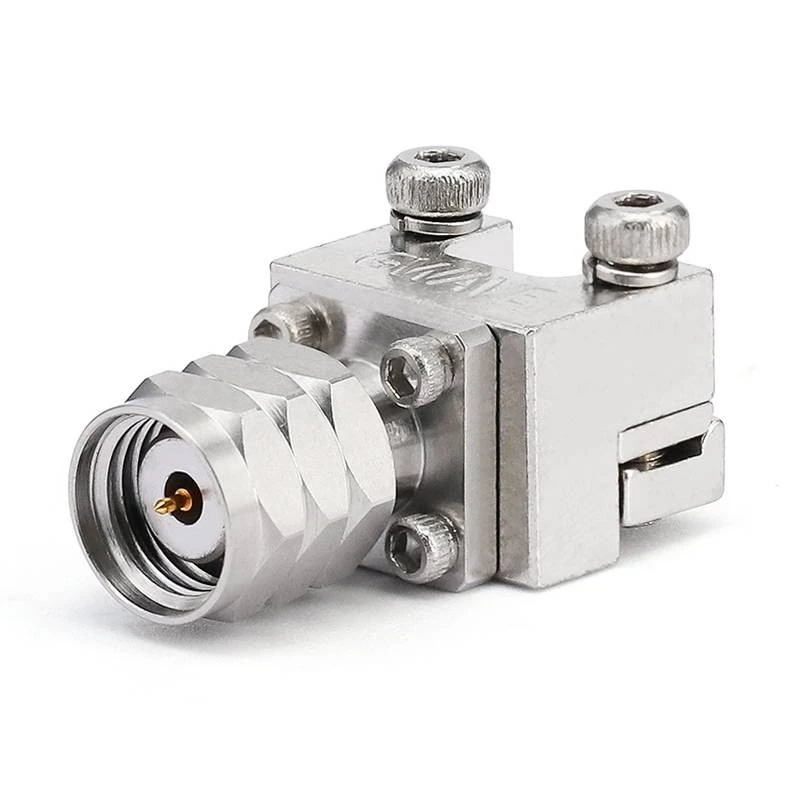
For example, if you're working on a wearable device, you'll probably want a small, lightweight connector. On the other hand, if you're building a larger IoT sensor, you might have more flexibility in terms of size. You can check out our PCB Connectors page to see the different options we offer.
4. Signal Integrity
In low - power applications, maintaining signal integrity is crucial. A connector that introduces noise or interference can affect the performance of the device. Look for connectors that are designed to minimize signal loss and crosstalk.
Some connectors have shielding features that can help protect the signals from external interference. Others are designed with specific geometries to reduce impedance mismatches. Make sure to choose a connector that is suitable for the type of signals your application will be handling, whether it's analog, digital, or a combination of both.
5. Environmental Considerations
The environment in which the device will operate also plays a role in connector selection. If the device will be exposed to moisture, dust, or extreme temperatures, you need a connector that can withstand these conditions.
For example, if your device will be used outdoors, you might want a connector with a waterproof or dustproof design. We also offer Connector Dust Caps that can help protect the connectors from dust and debris when not in use.
Types of PCB Connectors for Low - Power Applications
1. End Launch Connectors
End Launch Connectors are a popular choice for low - power applications. They are typically used for high - frequency signals and can provide excellent signal integrity. These connectors are designed to be mounted at the edge of the PCB, which can save space and make it easier to connect to other components.
End launch connectors come in different configurations, such as single - ended or differential. You need to choose the right configuration based on your application's requirements.
2. Board - to - Board Connectors
Board - to - board connectors are used to connect two PCBs together. They are available in various pitches (the distance between the pins) and can be used for both low - and high - power applications.
For low - power applications, you might want a board - to - board connector with a small pitch to save space. These connectors can also be designed to provide reliable connections even in high - vibration environments.
3. Wire - to - Board Connectors
Wire - to - board connectors are used to connect wires to a PCB. They are often used in applications where you need to connect external components or power sources.
When choosing a wire - to - board connector for a low - power application, make sure it has a secure connection to prevent power loss. Some wire - to - board connectors have locking mechanisms to ensure a tight fit.
Making the Final Decision
Once you've considered all the factors and types of connectors, it's time to make the final decision. Here are some steps to help you:
- List your requirements: Write down all the requirements for your low - power application, including power consumption, signal type, size constraints, and environmental conditions.
- Research and compare: Look at different connectors and compare their features, specifications, and prices. You can also read reviews from other users to get an idea of their performance.
- Request samples: If possible, request samples of the connectors you're considering. This will allow you to test them in your application and see how they perform.
- Consult with experts: If you're still not sure which connector to choose, don't hesitate to consult with our experts. We have a team of experienced engineers who can help you make the right decision.
Conclusion
Choosing the right PCB connector for a low - power application is not always easy, but it's definitely worth the effort. By considering factors like contact resistance, insertion and extraction force, size, signal integrity, and environmental conditions, you can ensure that your device performs at its best.
We're here to help you every step of the way. If you're interested in purchasing PCB connectors for your low - power application, feel free to reach out to us for more information and to start a procurement discussion.
References
- "Connectors for Low - Power Electronics" - Electronics Design Magazine
- "PCB Connector Handbook" - Connector Manufacturer's Association


