
How to choose the right RF load?
Leave a message

When it comes to the world of radio frequency (RF) technology, choosing the right RF load is a critical decision that can significantly impact the performance and reliability of your RF systems. As a trusted RF loads supplier, I understand the complexities involved in this selection process. In this blog post, I'll share some key considerations to help you make an informed choice.
Understanding RF Loads
Before delving into the selection process, it's essential to have a basic understanding of what RF loads are and their functions. RF loads are passive devices designed to absorb RF power. They are used in a wide range of applications, including testing, calibration, and matching in RF and microwave systems. The primary purpose of an RF load is to provide a known impedance and dissipate the RF energy without reflecting it back into the system.
Key Factors to Consider When Choosing an RF Load
Power Handling Capacity
One of the most crucial factors to consider is the power handling capacity of the RF load. This is determined by the amount of RF power that the load can safely dissipate without overheating or sustaining damage. It's important to choose a load with a power rating that exceeds the maximum power level expected in your application. This ensures that the load can handle transient power spikes and provides a margin of safety. For example, if your system typically operates at 100 watts, it's advisable to select an RF load with a power rating of at least 150 watts.
Frequency Range
The frequency range of the RF load is another critical consideration. Different applications operate at different frequencies, and the load must be capable of providing a consistent impedance across the entire frequency range of interest. When selecting an RF load, ensure that its specified frequency range matches or exceeds the operating frequency of your system. For instance, if your application operates in the 2 - 4 GHz frequency band, choose an RF load that is designed to perform optimally within this range.
Impedance
Impedance matching is vital for efficient power transfer in RF systems. The impedance of the RF load should match the impedance of the source and the rest of the system. The most common impedance value in RF systems is 50 ohms, but other values such as 75 ohms are also used in specific applications. Make sure to select an RF load with the appropriate impedance value for your system. Mismatched impedance can lead to signal reflections, which can degrade the performance of the system and cause damage to components.

VSWR (Voltage Standing Wave Ratio)
VSWR is a measure of how well the RF load matches the impedance of the system. A low VSWR indicates a good impedance match, while a high VSWR means there are significant reflections. When choosing an RF load, look for a low VSWR value, typically less than 1.2:1. A lower VSWR ensures more efficient power transfer and reduces the risk of signal distortion.
Type of RF Load
There are several types of RF loads available, each with its own characteristics and applications. Some common types include:
- Terminations: These are simple, single - port RF loads used to terminate transmission lines and prevent signal reflections. They are available in various power ratings and impedance values.
- Dummy Loads: Dummy loads are used to simulate the load of a real - world device during testing and calibration. They can handle high power levels and are often used in high - power RF systems.
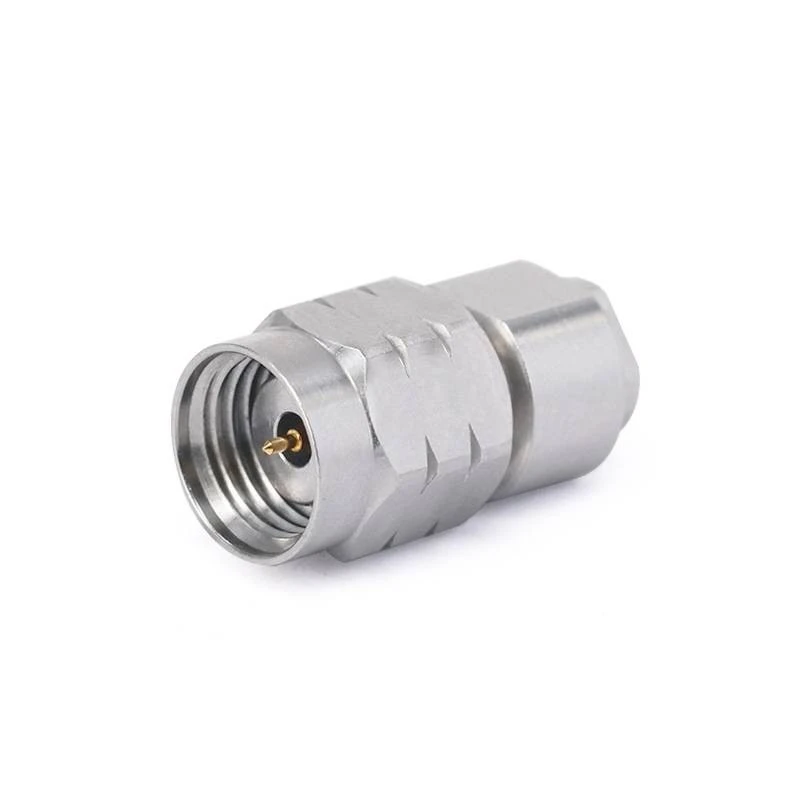
- Connector Loads: Connector loads are designed to be directly connected to RF connectors. They are convenient for quick and easy testing and are available in different connector types such as SMA, N, and BNC.
Temperature Stability
The performance of an RF load can be affected by temperature changes. A good RF load should have excellent temperature stability to ensure consistent performance over a wide range of operating temperatures. Look for loads that are designed with materials and construction techniques that minimize the impact of temperature variations on impedance and power handling.
Physical Size and Mounting
The physical size and mounting options of the RF load are also important considerations, especially in space - constrained applications. Choose a load that can be easily integrated into your system and has a suitable mounting configuration. Some loads are designed for rack - mounting, while others are suitable for panel - mounting or direct connection to equipment.
Application - Specific Considerations
The choice of RF load also depends on the specific application. Here are some examples:
Laboratory Testing
In laboratory testing environments, accuracy and repeatability are crucial. Choose RF loads with high precision and low VSWR to ensure accurate test results. Additionally, loads with a wide frequency range and adjustable power ratings can be beneficial for testing a variety of RF devices.
Telecommunication Systems
In telecommunication systems, reliability and long - term performance are essential. Select RF loads that are designed to withstand the harsh operating conditions of telecommunication networks, including high power levels and temperature variations.
Radar Systems
Radar systems often require high - power RF loads to handle the large amounts of RF energy generated. Look for loads with high power handling capacity and fast response times to meet the demands of radar applications.
Quality and Reliability
As an RF loads supplier, I emphasize the importance of quality and reliability. When choosing an RF load, it's advisable to select products from a reputable manufacturer with a proven track record. High - quality RF loads are built using premium materials and advanced manufacturing processes, ensuring long - term performance and durability. Check for certifications and customer reviews to gauge the quality of the products.
Cost - Benefit Analysis
While cost is an important factor, it should not be the sole determining factor when choosing an RF load. Consider the overall cost - benefit ratio by evaluating the performance, reliability, and features of the load. A slightly more expensive load with better performance and reliability may save you money in the long run by reducing the need for frequent replacements and minimizing system downtime.
Conclusion
Choosing the right RF load is a complex but essential task for ensuring the optimal performance of your RF systems. By considering factors such as power handling capacity, frequency range, impedance, VSWR, type of load, temperature stability, physical size, and application - specific requirements, you can make an informed decision. As a trusted RF loads supplier, I am committed to providing high - quality RF loads that meet the diverse needs of our customers.
If you have any questions or need assistance in selecting the right RF load for your application, please feel free to contact us. Our team of experts is ready to help you find the perfect solution for your RF system. We look forward to the opportunity to work with you and support your RF projects.
References
- Pozar, D. M. (2011). Microwave Engineering (4th ed.). Wiley.
- Collin, R. E. (2001). Foundations for Microwave Engineering (2nd ed.). Wiley.


