

How to compensate for the temperature effects in RF amplifiers?
Leave a message

Hey there! As a supplier of RF amplifiers, I've seen firsthand how temperature can throw a wrench in the works of these crucial components. RF amplifiers are the unsung heroes of the wireless world, boosting signals to ensure clear communication and efficient data transfer. But when the temperature starts to fluctuate, it can mess with their performance big time. So, in this blog, I'm gonna share some tips on how to compensate for temperature effects in RF amplifiers.
Understanding the Impact of Temperature on RF Amplifiers
Before we dive into the solutions, let's take a quick look at why temperature is such a problem for RF amplifiers. You see, RF amplifiers are made up of semiconductor devices, like transistors, which are highly sensitive to temperature changes. When the temperature rises, the electrical properties of these semiconductors can change, leading to a decrease in gain, an increase in noise, and even distortion of the amplified signal.

On the flip side, when the temperature drops, the performance of the amplifier can also take a hit. The gain may increase, causing the amplifier to saturate and distort the signal. And in extreme cold, the semiconductor devices may even stop working altogether.
So, as you can see, temperature can have a significant impact on the performance of RF amplifiers. That's why it's so important to find ways to compensate for these effects and ensure that your amplifiers are operating at their best, no matter what the temperature is.
Methods for Compensating Temperature Effects
Biasing Techniques
One of the most common ways to compensate for temperature effects in RF amplifiers is through biasing techniques. Biasing is the process of applying a DC voltage or current to the amplifier to set its operating point. By adjusting the bias voltage or current, you can counteract the changes in the electrical properties of the semiconductor devices caused by temperature fluctuations.
For example, in a common-emitter amplifier, you can use a temperature-compensated bias circuit to maintain a constant collector current over a wide temperature range. This can help to stabilize the gain of the amplifier and reduce the effects of temperature on its performance.
Thermal Management
Another important method for compensating temperature effects is thermal management. This involves using techniques to control the temperature of the amplifier and keep it within a safe operating range. There are several ways to do this, including:
- Heat Sinks: Heat sinks are passive cooling devices that are designed to dissipate heat away from the amplifier. They work by increasing the surface area of the amplifier, allowing it to transfer heat more efficiently to the surrounding environment.
- Fans and Cooling Systems: In some cases, you may need to use active cooling systems, such as fans or liquid cooling, to keep the temperature of the amplifier under control. These systems can provide more effective cooling than heat sinks alone, especially in high-power applications.
- Thermal Isolation: Thermal isolation involves separating the amplifier from other heat-generating components in the system. This can help to reduce the amount of heat that is transferred to the amplifier and keep its temperature within a safe range.
Temperature-Compensated Components
In addition to biasing techniques and thermal management, you can also use temperature-compensated components in your RF amplifiers. These components are designed to have electrical properties that change in a way that compensates for the effects of temperature.
For example, you can use temperature-compensated resistors or capacitors in the amplifier circuit. These components can help to maintain a constant gain and reduce the effects of temperature on the performance of the amplifier.
Feedback Loops
Feedback loops are another effective way to compensate for temperature effects in RF amplifiers. A feedback loop is a circuit that uses a portion of the output signal to control the input signal. By adjusting the feedback signal, you can counteract the changes in the amplifier's performance caused by temperature fluctuations.
For example, in a negative feedback amplifier, the output signal is fed back to the input with a phase shift of 180 degrees. This helps to reduce the gain of the amplifier and stabilize its performance over a wide temperature range.
Choosing the Right Compensation Method
When it comes to compensating for temperature effects in RF amplifiers, there is no one-size-fits-all solution. The best method for you will depend on a variety of factors, including the type of amplifier, the operating temperature range, and the specific requirements of your application.
Here are some things to consider when choosing a compensation method:
- Cost: Some compensation methods, such as using temperature-compensated components, can be more expensive than others. You'll need to weigh the cost of the compensation method against the benefits it provides.
- Complexity: Some compensation methods, such as using feedback loops, can be more complex than others. You'll need to consider your technical expertise and the resources available to you when choosing a compensation method.
- Performance Requirements: The performance requirements of your application will also play a role in determining the best compensation method. For example, if you need a high-gain amplifier with low noise, you may need to use a more sophisticated compensation method.
Conclusion
Compensating for temperature effects in RF amplifiers is essential for ensuring their reliable performance in a wide range of applications. By using biasing techniques, thermal management, temperature-compensated components, and feedback loops, you can counteract the changes in the electrical properties of the semiconductor devices caused by temperature fluctuations and keep your amplifiers operating at their best.
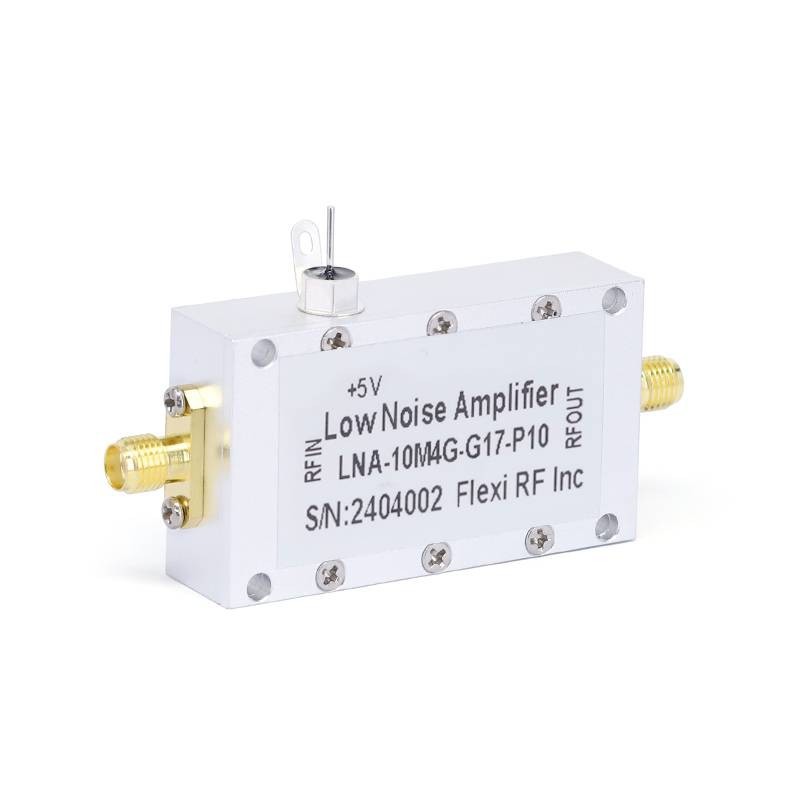
If you're in the market for RF amplifiers that are designed to perform well in a wide temperature range, be sure to check out our Low Noise Amplifiers. Our amplifiers are built using the latest technology and are designed to provide excellent performance and reliability, no matter what the temperature is.
If you have any questions or would like to discuss your specific requirements, please don't hesitate to get in touch. We'd be happy to help you find the right RF amplifiers for your application and provide you with the support you need to ensure their successful operation.
References
- Razavi, B. (2017). RF Microelectronics. Prentice Hall.
- Gonzalez, G. (2018). Microwave Transistor Amplifiers: Analysis and Design. Prentice Hall.
- Pozar, D. M. (2019). Microwave Engineering. Wiley.


