
How to evaluate the reliability of an RF switch?
Leave a message

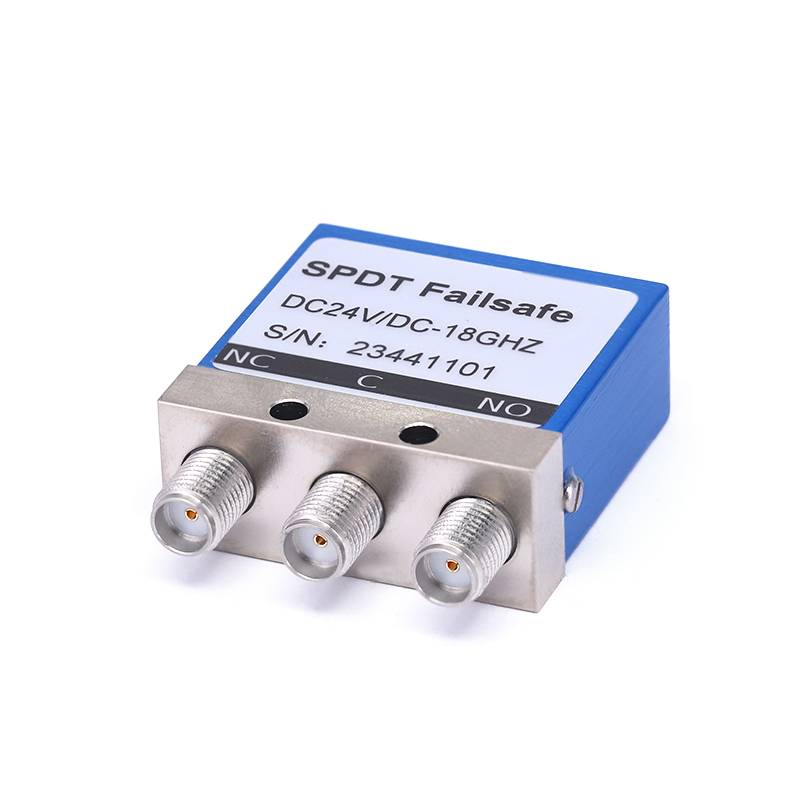
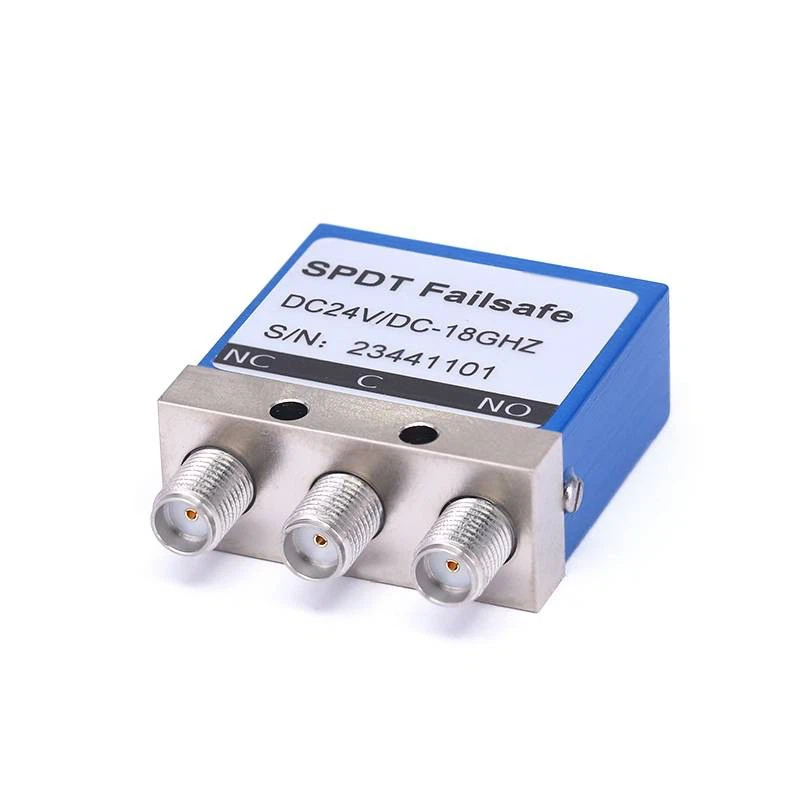
Hey there! As a supplier of RF switches, I often get asked how to evaluate the reliability of these nifty little devices. RF switches are crucial components in a wide range of applications, from telecommunications and radar systems to test and measurement equipment. So, getting a reliable one is super important. In this blog post, I'll share some key factors you should consider when assessing the reliability of an RF switch.
1. Electrical Performance
First off, let's talk about electrical performance. This is a biggie because it directly affects how well the switch will work in your system.
Insertion Loss
Insertion loss is the amount of signal power that's lost when the switch is in the on - state. A low insertion loss means that more of the signal gets through the switch, which is what you want. High insertion loss can lead to reduced signal strength and poor system performance. When evaluating a switch, look for specs that show a low insertion loss over the frequency range you're interested in. For example, if you're working in a 1 - 10 GHz system, make sure the switch has a low insertion loss within that band. You can check out RF Switches Types to learn more about different switch types and how their insertion loss can vary.
Isolation
Isolation, on the other hand, is a measure of how well the switch can keep signals from leaking between different ports when it's in the off - state. High isolation is crucial, especially in systems where you don't want unwanted signal interference. If the isolation is poor, you might have crosstalk between different channels, which can mess up your data. So, look for switches with high isolation values.
Return Loss
Return loss indicates how well the switch matches the impedance of the system it's connected to. A high return loss means that less of the signal is reflected back, which is good for signal integrity. If the return loss is low, it could mean that there are impedance mismatches, which can cause signal distortion and other problems.
2. Mechanical Durability
RF switches can have different mechanical designs, and their durability is an important factor in reliability.
Switching Cycles
The number of switching cycles a switch can handle is a key indicator of its mechanical durability. Some switches are designed for a few thousand cycles, while others can handle millions. If your application requires frequent switching, like in a test and measurement setup where you're constantly changing the signal path, you'll want a switch with a high number of switching cycles. Manufacturers usually specify the expected number of switching cycles in their datasheets, so make sure to check this out.
Contact Resistance
Contact resistance is another aspect related to mechanical durability. It's the resistance between the switch contacts when they're closed. Over time, as the switch is used, the contact resistance can change due to wear and tear. A stable contact resistance is important for consistent signal performance. Look for switches that have a low and stable contact resistance over their expected lifespan.
3. Thermal Performance
RF switches generate heat when they're operating, and how well they handle this heat can impact their reliability.
Power Dissipation
Power dissipation is the amount of power that the switch converts into heat. Higher power dissipation means more heat is being generated. If the switch can't dissipate this heat effectively, its temperature can rise, which can lead to performance degradation and even damage. When evaluating a switch, check its power dissipation specifications and make sure it's suitable for your application's power requirements.
Thermal Resistance
Thermal resistance is a measure of how easily heat can flow from the switch to its surroundings. A low thermal resistance means that the switch can dissipate heat more effectively. You can look for switches with good heatsink designs or ones that are made from materials with high thermal conductivity to help with heat dissipation.
4. Environmental Factors
The environment in which the RF switch will operate can also have a big impact on its reliability.
Temperature Range
Different applications have different temperature requirements. Some switches are designed to work in extreme cold or hot environments. If your switch will be used outdoors or in a high - temperature industrial setting, you need to make sure it can handle the temperature range. Check the datasheet for the minimum and maximum operating temperatures specified by the manufacturer.
Humidity and Moisture
High humidity and moisture can cause corrosion and electrical short - circuits in RF switches. If your application is in a humid environment, look for switches that are sealed or have some form of moisture protection. Some switches are coated with special materials to resist moisture and corrosion.
Vibration and Shock
In applications where there's a lot of vibration or shock, like in automotive or aerospace systems, the switch needs to be able to withstand these conditions. Look for switches that are mechanically robust and have been tested for vibration and shock resistance.
5. Manufacturer Reputation
Last but not least, the reputation of the manufacturer is a major factor in determining the reliability of an RF switch.
Quality Control
A manufacturer with a good reputation for quality control is more likely to produce reliable switches. You can look for things like ISO certifications, which indicate that the manufacturer follows certain quality management standards. Also, check if the manufacturer has a history of producing high - quality products and if they have a good track record of handling customer complaints.
Technical Support
Good technical support from the manufacturer is also important. If you run into any problems with the switch during installation or operation, you want to be able to get quick and helpful support. A manufacturer that offers comprehensive technical documentation, online resources, and responsive customer service can make your life a lot easier.
In conclusion, evaluating the reliability of an RF switch involves looking at a variety of factors, including electrical performance, mechanical durability, thermal performance, environmental factors, and the manufacturer's reputation. By taking the time to carefully consider these factors, you can choose an RF switch that will provide reliable performance in your application.
If you're in the market for RF switches and want to discuss your specific requirements, I'd be more than happy to help. Just reach out, and we can start a conversation about finding the right switches for you.
References
- Various industry whitepapers on RF switch technology
- Datasheets from leading RF switch manufacturers
- Technical articles from electronics engineering magazines


