

How to improve the antenna's resistance to interference?
Leave a message

Hey there! As an antennas supplier, I've seen firsthand how crucial it is for antennas to have good resistance to interference. In this blog, I'll share some practical tips on how to improve an antenna's ability to fend off unwanted signals.
Understanding Interference
Before we dive into the solutions, let's quickly go over what interference is. Interference can come from various sources, such as other electronic devices, nearby radio stations, or even natural phenomena like solar flares. It can disrupt the normal operation of an antenna, leading to poor signal quality, dropped connections, and other issues.
There are two main types of interference: electromagnetic interference (EMI) and radio frequency interference (RFI). EMI is caused by the electromagnetic fields generated by electronic devices, while RFI is related to radio frequency signals. Both can have a significant impact on an antenna's performance.
Choosing the Right Antenna
One of the first steps in improving interference resistance is selecting the right antenna for your specific needs. Different types of antennas have different characteristics and are better suited for certain environments.
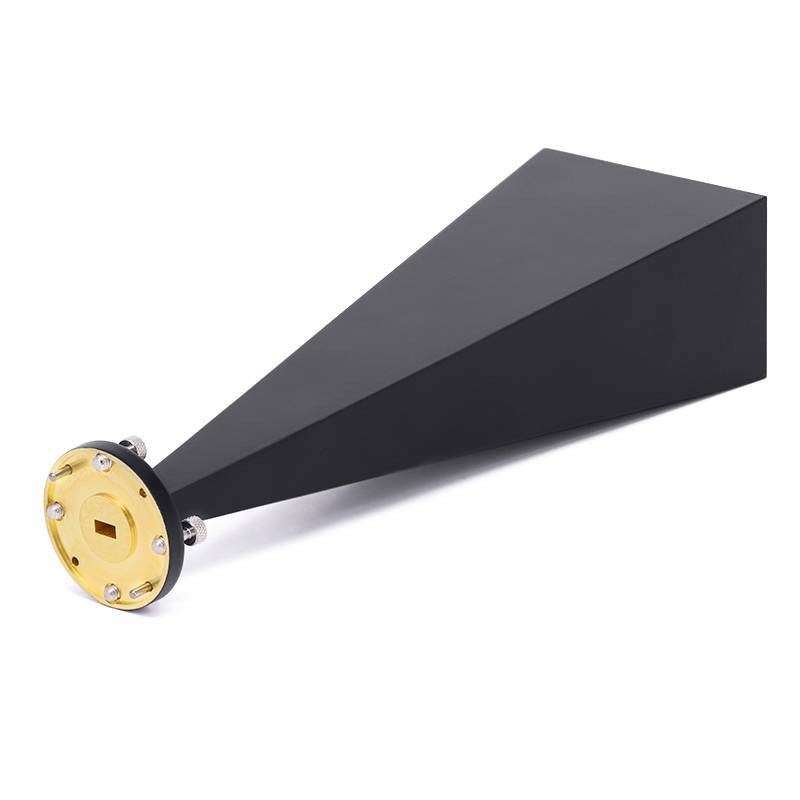
- Horn Antennas: Horn antennas are known for their high gain and directivity. They are often used in applications where a focused beam of radio waves is required, such as in radar systems and satellite communications. You can check out more about Horn Antennas. These antennas are relatively immune to interference from the sides because of their directional nature. They can be a great choice if you're operating in an area with a lot of background noise.
- Log-periodic Antennas: Log-periodic antennas offer a wide frequency range and good gain over that range. They are commonly used in broadcast and communication systems. You can find more details about Log-periodic Antennas. Their design allows them to adapt to different frequencies, which can help in reducing interference from multiple sources operating at different frequencies.
When choosing an antenna, consider factors like the frequency range you need to operate in, the environment (indoor or outdoor), and the level of interference you expect to encounter.
Antenna Placement
The placement of an antenna can have a huge impact on its resistance to interference. Here are some placement tips:
- Height: Placing the antenna at a higher elevation can often reduce interference. This is because it gets above many of the sources of interference, such as buildings and other structures. For outdoor antennas, try to mount them on a tall pole or the roof of a building. Just make sure it's securely installed to withstand wind and other environmental factors.
- Distance from Interference Sources: Keep the antenna away from sources of interference. For example, if you have a lot of electronic devices in a room, don't place the antenna too close to them. Similarly, if there's a nearby radio station, try to position the antenna in a direction where the signal from the station is minimized.
- Direction: Point the antenna in the direction of the desired signal source. This not only helps in receiving a stronger signal but also reduces the amount of interference from other directions. Use a compass or a signal strength meter to find the optimal direction.
Shielding
Shielding is another effective way to improve an antenna's resistance to interference. Shielding materials can block or reduce the amount of electromagnetic and radio frequency interference that reaches the antenna.
- Coaxial Cables: Use shielded coaxial cables to connect the antenna to the receiver or transmitter. The shielding on the cable helps to prevent interference from being picked up along the length of the cable. Make sure the cable is properly grounded to further enhance its shielding effectiveness.
- Antenna Enclosures: For some applications, you can use an antenna enclosure made of a shielding material. This can be especially useful for indoor antennas or antennas in areas with a high level of interference. The enclosure can be made of metal or other conductive materials that block the unwanted signals.
Filtering
Filters can be used to remove unwanted frequencies from the antenna signal. There are different types of filters available, such as low-pass filters, high-pass filters, and band-pass filters.

- Low-pass Filters: These filters allow frequencies below a certain cutoff frequency to pass through while blocking higher frequencies. They can be useful for removing high-frequency interference from the signal.
- High-pass Filters: High-pass filters do the opposite. They allow frequencies above a certain cutoff frequency to pass through and block lower frequencies. This can be helpful in removing low-frequency interference.
- Band-pass Filters: Band-pass filters only allow a specific range of frequencies to pass through. They are used when you want to isolate a particular frequency band and remove interference from other frequencies.
Grounding
Proper grounding is essential for reducing interference. Grounding provides a path for the unwanted electrical currents and charges to flow safely to the ground.
- Antenna Grounding: Make sure the antenna is properly grounded. This can be done by connecting the antenna to a grounding rod or a grounding system. A good ground connection helps to dissipate any static charges and reduces the risk of interference caused by electrical imbalances.
- Equipment Grounding: All the equipment connected to the antenna, such as the receiver and transmitter, should also be properly grounded. This ensures that the entire system is at the same electrical potential and reduces the chances of interference.
Software and Signal Processing
In addition to the hardware solutions, software and signal processing techniques can also be used to improve an antenna's resistance to interference.
- Adaptive Filtering: Some modern receivers use adaptive filtering algorithms to automatically adjust the filtering based on the incoming signal. These algorithms can detect and remove interference in real-time, improving the overall signal quality.
- Error Correction Codes: Error correction codes can be used to detect and correct errors in the received signal caused by interference. This helps in ensuring that the data transmitted or received through the antenna is accurate.
Testing and Monitoring
Once you've implemented the above measures, it's important to test and monitor the antenna's performance.
- Signal Strength Testing: Use a signal strength meter to measure the strength of the desired signal and the level of interference. This can help you determine if the antenna is performing as expected and if any further adjustments are needed.
- Long-term Monitoring: Continuously monitor the antenna's performance over time. Interference levels can change due to various factors, such as new electronic devices being introduced in the area or changes in the weather. By monitoring the performance, you can detect any issues early and take corrective actions.
Conclusion
Improving an antenna's resistance to interference is a multi-faceted process that involves choosing the right antenna, proper placement, shielding, filtering, grounding, and using software and signal processing techniques. By following these tips, you can significantly enhance the performance of your antenna and ensure a reliable communication or reception system.
If you're looking to purchase high-quality antennas with excellent interference resistance, we're here to help. We offer a wide range of antennas to meet your specific needs. Whether you need a horn antenna, a log-periodic antenna, or any other type of antenna, we've got you covered. Get in touch with us to discuss your requirements and start a procurement conversation.
References
- "Antenna Engineering Handbook" by John L. Volakis
- "Electromagnetic Compatibility Engineering" by Henry W. Ott


