

How to know if my device is compatible with an N Adapter?
Leave a message

Determining whether your device is compatible with an N Adapter is crucial, especially when you're looking to optimize the performance of your equipment. As an N Adapter supplier, I've encountered numerous customers with questions about compatibility. In this blog, I'll share some key factors and methods to help you figure out if your device can work well with an N Adapter.
Understanding the Basics of N Adapters
Before diving into compatibility checks, it's essential to have a basic understanding of N Adapters. N Adapters are radio - frequency (RF) connectors widely used in various communication and electronic systems. They are known for their durability, high - frequency performance, and wide range of applications, from telecommunications to aerospace.
There are different types of N Adapters, such as the 1.0mm Adapter, 3.5mm Adapter, and 1.85mm Adapter. Each type has its own characteristics and is designed for specific frequency ranges and power requirements.
Physical Compatibility
The first step in determining compatibility is to check the physical aspects of your device and the N Adapter.
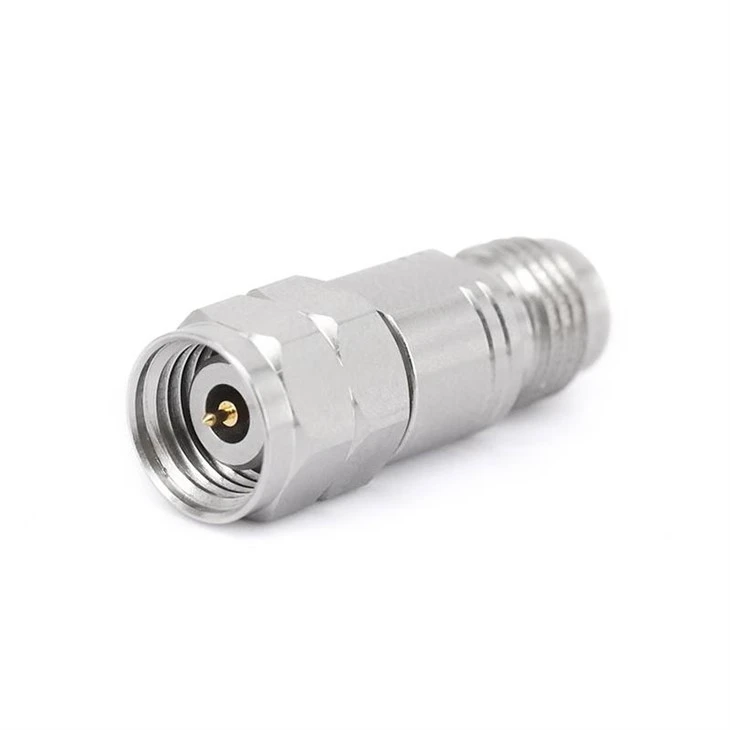

Connector Type
The most obvious physical check is the connector type. N Adapters come in male and female versions. You need to ensure that the connector on your device matches the connector type of the N Adapter. For example, if your device has a male RF connector, you'll need a female N Adapter, and vice versa.
Size and Dimensions
The size of the connector is also important. The N Adapter should fit properly into the connector port of your device. Some devices may have unique or non - standard connector sizes, so it's crucial to measure the dimensions of your device's connector and compare them with the specifications of the N Adapter.
Mounting Style
Consider the mounting style of the N Adapter. Some N Adapters are designed for panel - mounting, while others are for cable - to - cable connections. Make sure the mounting style of the N Adapter is compatible with your device's installation requirements.
Electrical Compatibility
Electrical compatibility is just as important as physical compatibility. Here are some key electrical factors to consider:
Impedance
Impedance is a measure of the opposition to the flow of electrical current in an RF circuit. Most N Adapters are designed to have an impedance of 50 ohms or 75 ohms. You need to check the impedance of your device's RF circuit. If the impedance of the N Adapter does not match the impedance of your device, it can lead to signal reflection, loss, and poor performance.
Frequency Range
Different N Adapters are designed to operate within specific frequency ranges. You need to know the operating frequency range of your device's RF signals. For example, if your device operates in the high - frequency range (e.g., above 10 GHz), you'll need an N Adapter that can handle those frequencies. Using an N Adapter with an inappropriate frequency range can result in signal degradation and reduced performance.
Power Handling
The power handling capacity of the N Adapter is another important factor. You need to ensure that the N Adapter can handle the power levels of your device's RF signals. If the power exceeds the rated capacity of the N Adapter, it can cause overheating, damage to the adapter, and potential safety hazards.
Performance Requirements
In addition to physical and electrical compatibility, you also need to consider your device's performance requirements.
Signal Quality
If your device requires high - quality RF signals, such as in a precision measurement or high - speed communication system, you'll need an N Adapter that can maintain signal integrity. Look for N Adapters with low insertion loss, low return loss, and high isolation to ensure that the signal quality is not compromised.
Environmental Conditions
Consider the environmental conditions in which your device will operate. Some N Adapters are designed to withstand harsh environments, such as high temperatures, humidity, and vibration. If your device will be used in a challenging environment, make sure the N Adapter is suitable for those conditions.
Testing and Verification
Once you've checked the physical, electrical, and performance aspects, it's a good idea to perform some tests to verify compatibility.
Visual Inspection
Before connecting the N Adapter to your device, perform a visual inspection of both the device and the adapter. Look for any signs of damage, such as bent pins, cracks, or corrosion. A damaged N Adapter or device can cause compatibility issues and poor performance.
Test Connection
Make a test connection between the N Adapter and your device. Check for a secure fit and ensure that there are no loose connections. Turn on your device and observe the performance. If you notice any issues, such as signal loss, interference, or abnormal behavior, it may indicate a compatibility problem.
Signal Testing
If possible, use a signal analyzer or other RF testing equipment to measure the performance of the RF signals after connecting the N Adapter. This can help you identify any signal degradation, reflection, or other issues caused by the N Adapter.
Seeking Professional Help
If you're still unsure about the compatibility of your device with an N Adapter, don't hesitate to seek professional help. As an N Adapter supplier, we have a team of experts who can provide technical support and guidance. We can help you analyze your device's requirements, recommend the most suitable N Adapter, and assist you with any installation or compatibility issues.
Conclusion
Determining whether your device is compatible with an N Adapter requires a comprehensive check of physical, electrical, and performance aspects. By following the steps outlined in this blog, you can increase the chances of finding a compatible N Adapter for your device.
If you're interested in purchasing N Adapters or have any questions about compatibility, please feel free to contact us. We're here to help you make the right choice and ensure the optimal performance of your devices.
References
- "RF Connectors and Adapters Handbook" - A comprehensive guide to RF connectors and their compatibility.
- Technical specifications of N Adapters provided by manufacturers.
- Industry standards for RF connectors and communication systems.


