
How to maintain RF isolators?
Leave a message

Hey there! I'm a supplier of RF isolators, and today I wanna chat with you about how to maintain these nifty devices. RF isolators are super important in lots of electronic systems. They help control the flow of RF signals and protect other components from unwanted reflections. So, keeping them in good shape is crucial for the overall performance of your system.
Understanding RF Isolators
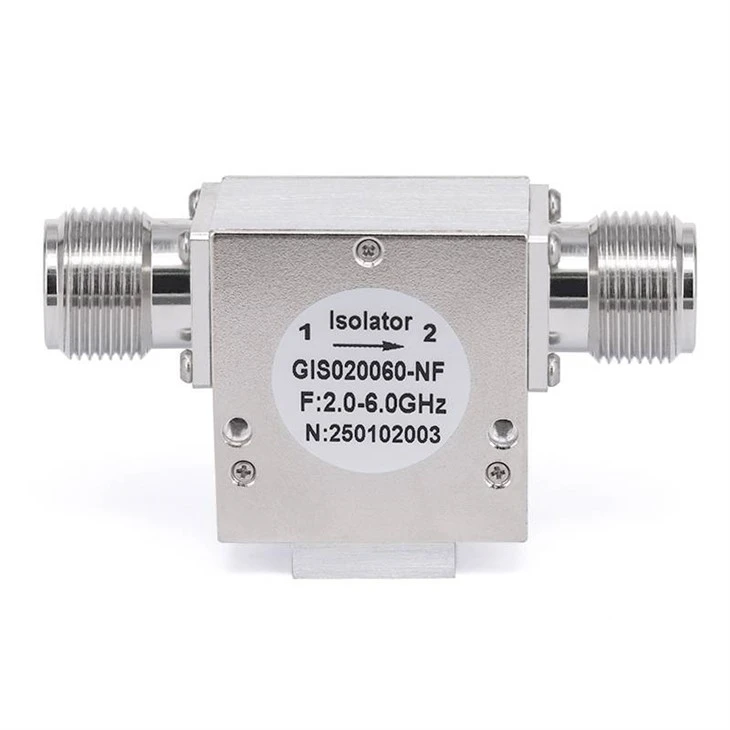
Before we dive into maintenance, let's quickly go over what RF isolators are. RF isolators are passive two - port devices that allow RF signals to pass through in one direction while blocking them in the reverse direction. They use ferrite materials and magnetic fields to achieve this one - way signal flow. You can find them in all sorts of applications, like wireless communication systems, radar systems, and test equipment. For those interested in a specific type of RF isolators, check out RF Coaxial Lsolators.
Regular Visual Inspections
One of the simplest yet most effective ways to maintain RF isolators is through regular visual inspections. You should take a look at your isolators every once in a while to check for any obvious signs of damage. Look for things like cracks on the housing, loose connectors, or any signs of corrosion. Cracks in the housing can let in moisture and dust, which can damage the internal components. Loose connectors can cause signal loss and poor performance. And corrosion can degrade the electrical properties of the isolator.
If you notice any damage during your visual inspection, it's important to address it right away. For minor issues like a loose connector, you might be able to fix it yourself by tightening it up. But for more serious damage, like a cracked housing, it's probably best to replace the isolator.
Cleaning
Cleaning your RF isolators is another important part of maintenance. Over time, dust, dirt, and other contaminants can build up on the surface of the isolator, which can affect its performance. You can use a soft, dry cloth to gently wipe the outside of the isolator. Avoid using any abrasive materials or harsh chemicals, as these can damage the housing and the internal components.
For more stubborn dirt or contaminants, you can use a small amount of isopropyl alcohol on the cloth. Just make sure to let the isolator dry completely before reconnecting it to your system. And be careful not to get any liquid inside the isolator, as this can cause short - circuits and other problems.
Temperature and Humidity Control
RF isolators are sensitive to temperature and humidity. Extreme temperatures can cause the materials inside the isolator to expand or contract, which can lead to mechanical stress and damage. High humidity can cause corrosion and moisture damage. So, it's important to keep your RF isolators in an environment with stable temperature and humidity levels.
If possible, store your isolators in a climate - controlled area. If you're using the isolators in a system, make sure the system has proper ventilation to prevent overheating. You can also use humidity - control devices, like dehumidifiers, to keep the humidity levels in check.
Electrical Testing
Regular electrical testing is also essential for maintaining RF isolators. You can use a network analyzer or other RF test equipment to measure the performance of the isolator. Look for parameters like insertion loss, isolation, and return loss. Insertion loss is the amount of signal loss that occurs when the signal passes through the isolator. Isolation is the amount of signal that is blocked in the reverse direction. Return loss is a measure of how well the isolator matches the impedance of the system.
If you notice any significant changes in these parameters over time, it could be a sign that the isolator is starting to degrade. In this case, you might need to replace the isolator or further investigate the cause of the problem.
Handling and Installation
Proper handling and installation of RF isolators can also have a big impact on their lifespan. When handling the isolators, make sure to hold them by the housing and avoid touching the connectors or other sensitive parts. This can prevent damage to the electrical contacts and other internal components.
During installation, make sure to follow the manufacturer's instructions carefully. Use the correct torque when tightening the connectors to avoid over - tightening or under - tightening. Over - tightening can damage the connectors, while under - tightening can cause signal loss and poor performance.

Storage
If you have RF isolators that you're not using right away, proper storage is important. Store them in a clean, dry place away from direct sunlight and sources of heat. You can also use anti - static bags to protect them from electrostatic discharge. Make sure to label the isolators clearly so you know what they are and when they were last used.
Troubleshooting
Even with proper maintenance, you might still run into problems with your RF isolators from time to time. If you notice any issues like poor signal quality, high insertion loss, or low isolation, there are a few things you can do to troubleshoot.
First, check the connections. Make sure all the connectors are tight and properly seated. You can also try swapping out the isolator with a known - good one to see if the problem goes away. If the problem persists, it could be a more serious issue with the isolator or the system it's connected to. In this case, it might be a good idea to consult with a professional or the manufacturer.
Conclusion
Maintaining RF isolators is not that complicated, but it does require some attention to detail. By following these simple steps, you can keep your RF isolators in good working condition and ensure the optimal performance of your electronic systems. Whether you're using them in a small wireless device or a large - scale radar system, proper maintenance will save you time and money in the long run.
If you're in the market for RF isolators or have any questions about their maintenance, feel free to reach out to us. We're here to help you find the right isolators for your needs and provide you with all the support you need. Let's work together to keep your RF systems running smoothly!
References
- "RF and Microwave Passive Components for Wireless Communications" by Inder Bahl
- Manufacturer's manuals for various RF isolators.


