

How to measure the inductance of a DC block (if any)?
Leave a message

Measuring the inductance of a DC block is a crucial task, especially for those in the electronics industry. As a supplier of DC blocks, I understand the significance of accurate inductance measurement. In this blog post, I will delve into the methods and considerations for measuring the inductance of a DC block.
Understanding DC Blocks
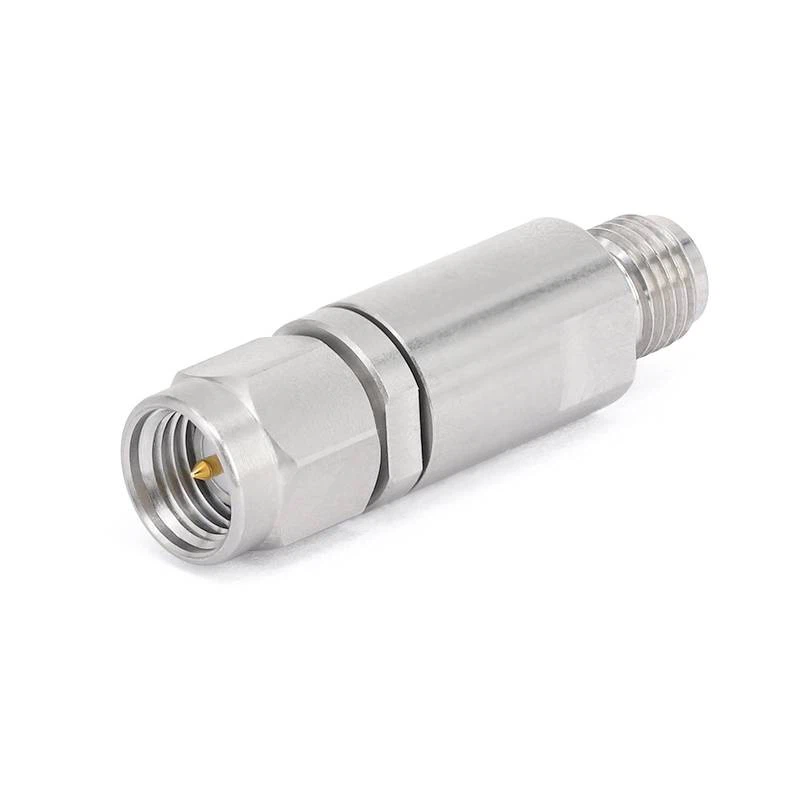
Before we discuss how to measure the inductance of a DC block, it's essential to understand what a DC block is and its function. A DC block is a device that allows AC signals to pass through while blocking DC components. It is commonly used in various electronic circuits, such as RF (Radio Frequency) systems, to prevent DC bias from affecting the performance of the circuit.
DC blocks can be designed in different forms, including passive and active types. Passive DC blocks typically consist of capacitors and inductors, while active DC blocks may incorporate amplifiers and other active components. The inductance in a DC block plays a vital role in determining its frequency response and impedance characteristics.
Why Measure the Inductance of a DC Block?
Accurate measurement of the inductance of a DC block is necessary for several reasons. Firstly, it helps in verifying the specifications of the DC block. Manufacturers provide inductance values as part of the product specifications, and measuring the actual inductance can ensure that the product meets the required standards.
Secondly, inductance measurement is crucial for circuit design and optimization. The inductance value affects the impedance matching and frequency response of the circuit. By accurately measuring the inductance, engineers can design circuits that operate efficiently and with minimal signal loss.
Finally, measuring the inductance can help in troubleshooting and identifying potential issues with the DC block. If the measured inductance deviates significantly from the specified value, it may indicate a problem with the component, such as a short circuit or an open circuit.
Methods for Measuring Inductance
There are several methods available for measuring the inductance of a DC block. The choice of method depends on various factors, such as the accuracy required, the frequency range of interest, and the available equipment. Here are some commonly used methods:
1. Bridge Methods
Bridge methods are one of the most accurate ways to measure inductance. The Wheatstone bridge and the Maxwell bridge are two well - known bridge circuits used for inductance measurement.
The Wheatstone bridge is a simple circuit that compares an unknown inductance with a known resistance and capacitance. By adjusting the values of the known components, the bridge can be balanced, and the inductance of the unknown component can be calculated using the bridge equation.
The Maxwell bridge, on the other hand, is specifically designed for measuring inductance. It uses a combination of resistors and capacitors to balance the bridge and determine the inductance value. Bridge methods are highly accurate but require careful calibration and a stable power supply.

2. LCR Meters
LCR meters are widely used for measuring inductance, capacitance, and resistance. These meters work by applying an AC signal to the component under test and measuring the resulting current and voltage. Based on the measured values, the LCR meter calculates the inductance, capacitance, and resistance of the component.
LCR meters are relatively easy to use and can provide accurate measurements over a wide frequency range. They are available in different models, with varying levels of accuracy and frequency capabilities. When using an LCR meter to measure the inductance of a DC block, it's important to select the appropriate frequency range and measurement mode.
3. Oscilloscope and Function Generator
An oscilloscope and a function generator can also be used to measure the inductance of a DC block. The basic principle involves applying a known AC signal to the DC block using the function generator and measuring the voltage across the block using the oscilloscope.
By measuring the voltage and current across the DC block and knowing the frequency of the applied signal, the inductance can be calculated using the formula (L=\frac{V}{2\pi fI}), where (L) is the inductance, (V) is the voltage across the inductor, (f) is the frequency of the applied signal, and (I) is the current flowing through the inductor.
This method is relatively simple and can be used for quick and approximate measurements. However, it may not be as accurate as bridge methods or LCR meters.
Considerations for Measuring Inductance
When measuring the inductance of a DC block, there are several considerations to keep in mind:
1. Frequency
The inductance of a DC block can vary with frequency. Therefore, it's important to measure the inductance at the frequency of interest. Different applications may require different frequency ranges, and the measurement method should be selected accordingly.
2. Parasitic Effects
Parasitic effects, such as stray capacitance and resistance, can affect the accuracy of the inductance measurement. These effects are more significant at higher frequencies. To minimize the impact of parasitic effects, it's important to use proper measurement techniques and shielded cables.
3. Temperature
The inductance of a DC block can also be affected by temperature. Therefore, it's important to measure the inductance at a stable temperature. If the temperature changes during the measurement, it can lead to inaccurate results.
Inner DC Blocks
If you are interested in Inner DC Blocks, you can visit our website Inner DC Blocks for more information. Our Inner DC Blocks are designed with high - quality components to ensure reliable performance and accurate inductance values.
Conclusion
Measuring the inductance of a DC block is an important task that requires careful consideration and the use of appropriate measurement methods. Whether you are a circuit designer, an engineer, or a technician, accurate inductance measurement can help you ensure the performance and reliability of your electronic circuits.
As a supplier of DC blocks, we are committed to providing high - quality products with accurate inductance values. If you have any questions about measuring the inductance of our DC blocks or are interested in purchasing our products, please feel free to contact us for further discussion and procurement negotiations.
References
- "Electronic Circuits: Fundamentals and Applications" by David Bell
- "RF Circuit Design" by Chris Bowick


