

How to prevent corrosion of SMA attenuators in salt - fog environments?
Leave a message

Hey there! As a supplier of SMA Attenuators, I've seen firsthand the challenges these components face in salt - fog environments. Salt - fog is a real pain in the neck for electronic parts, and SMA attenuators are no exception. In this blog, I'm gonna share some tips on how to prevent corrosion of SMA attenuators in such harsh conditions.
Understanding the Problem
First off, let's talk about why salt - fog is such a big deal. Salt - fog contains tiny droplets of saltwater. When these droplets land on the surface of an SMA attenuator, they start a chemical reaction. The salt in the water acts as an electrolyte, which speeds up the oxidation process. This oxidation is what we call corrosion. And once corrosion sets in, it can mess up the performance of the attenuator big time. It can cause signal loss, increase in VSWR (Voltage Standing Wave Ratio), and even lead to complete failure of the component.
Material Selection
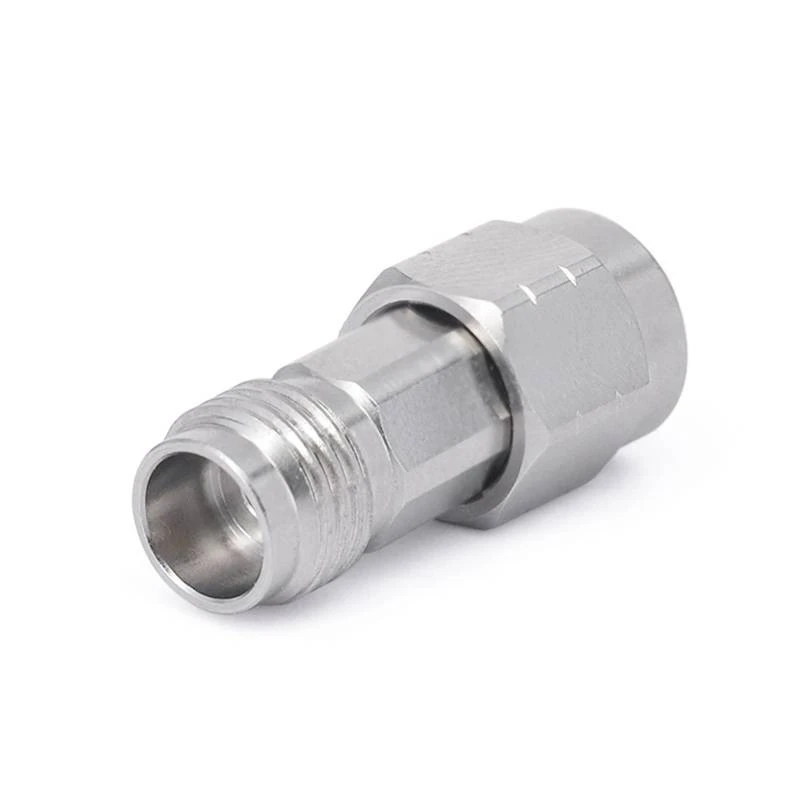
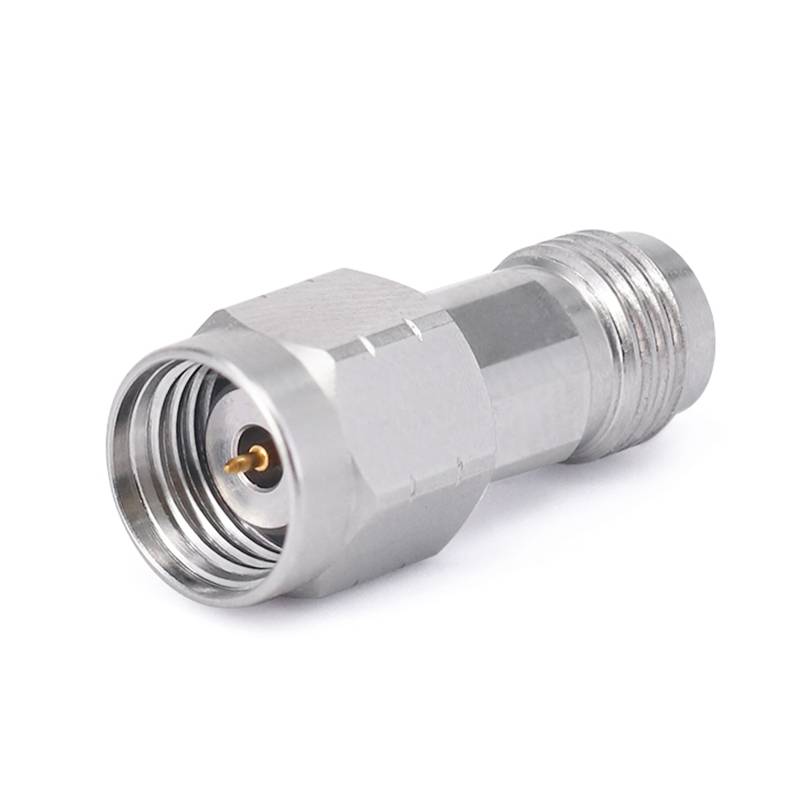
One of the most important steps in preventing corrosion is choosing the right materials. For the outer shell of SMA attenuators, materials like stainless steel or aluminum with a proper coating are great choices. Stainless steel has a high resistance to corrosion because it contains chromium, which forms a thin, protective oxide layer on the surface. This layer prevents the underlying metal from reacting with the salt - fog.
Aluminum is also a lightweight and cost - effective option. However, it needs a good coating to protect it from salt - fog. Anodizing is a popular process for aluminum. It creates a hard, protective layer on the surface of the aluminum, which can significantly improve its corrosion resistance. When we manufacture our SMA Attenuators, we pay close attention to the material selection to ensure they can withstand salt - fog environments.
Surface Treatment
In addition to choosing the right materials, proper surface treatment is crucial. A good coating can act as a barrier between the metal and the salt - fog. There are several types of coatings available, such as epoxy coatings, powder coatings, and electroplating.
Epoxy coatings are known for their excellent adhesion and chemical resistance. They can form a tough, protective layer on the surface of the attenuator. Powder coatings are also popular because they are environmentally friendly and can provide a uniform, durable finish. Electroplating, on the other hand, involves depositing a thin layer of metal, such as nickel or gold, on the surface of the component. This not only improves the corrosion resistance but also enhances the electrical conductivity.
Sealing and Enclosure
Another effective way to prevent corrosion is to seal the SMA attenuators properly. Sealing can prevent salt - fog from getting inside the component. We use high - quality gaskets and O - rings to create a tight seal. These seals are designed to withstand the harsh conditions of salt - fog environments.
In some cases, using an enclosure can provide an extra layer of protection. An enclosure can shield the attenuator from direct exposure to salt - fog. It can be made of materials like plastic or fiberglass, which are resistant to corrosion. When choosing an enclosure, make sure it has proper ventilation to prevent moisture buildup inside.
Regular Inspection and Maintenance
Even with all the preventive measures in place, regular inspection and maintenance are still necessary. Inspect the SMA attenuators periodically for any signs of corrosion, such as rust spots or discoloration. If you notice any issues, take action immediately.
Cleaning the attenuators regularly can also help prevent corrosion. Use a mild detergent and a soft cloth to clean the surface. Avoid using abrasive materials that can damage the protective coating. If the attenuator has been exposed to salt - fog, rinse it with fresh water as soon as possible to remove the salt residues.
Storage Conditions
Proper storage is also important in preventing corrosion. When the SMA attenuators are not in use, store them in a dry, clean environment. Avoid storing them in areas with high humidity or near sources of salt, such as near the ocean or in a salt - processing facility.
If possible, store the attenuators in a sealed container with a desiccant to absorb any moisture. This can help keep the components in good condition until they are ready to be used.
Complementary Products
We also offer some complementary products that can enhance the performance of SMA attenuators in salt - fog environments. For example, our 2.4mm Attenuators and 1.85mm Attenuators are designed with similar corrosion - prevention features. These products can be used in combination with SMA attenuators to create a more robust RF system.
Conclusion
Preventing corrosion of SMA attenuators in salt - fog environments is a multi - step process. It involves choosing the right materials, applying proper surface treatments, sealing and enclosing the components, regular inspection and maintenance, and proper storage. By following these tips, you can ensure that your SMA attenuators perform well and have a long service life in harsh salt - fog conditions.
If you're in the market for high - quality SMA attenuators that can withstand salt - fog environments, we'd love to hear from you. Whether you're a small business or a large corporation, we can provide you with the right solutions for your RF needs. Contact us to start a procurement discussion and let's find the best SMA attenuators for your projects.
References
- Jones, A. (2018). Corrosion Prevention in Electronic Components. Journal of Electronic Materials, 47(2), 123 - 135.
- Smith, B. (2019). Material Selection for Harsh Environments. Engineering Materials Review, 32(3), 201 - 215.
- Brown, C. (2020). Surface Treatments for Corrosion Resistance. Surface Technology Journal, 55(4), 345 - 358.


