
How to test the insulation resistance of a DC block?
Leave a message

Testing the insulation resistance of a DC block is a crucial procedure that ensures the safety, reliability, and performance of electrical systems. As a DC blocks supplier, I understand the importance of providing accurate information on how to conduct these tests effectively. In this blog post, I will guide you through the process of testing the insulation resistance of a DC block, covering the necessary equipment, steps, and safety precautions.
Understanding the Importance of Insulation Resistance Testing
Insulation resistance testing is a fundamental electrical test that measures the resistance of the insulation material between conductors in an electrical system. In the context of DC blocks, which are used to block direct current while allowing alternating current to pass through, maintaining proper insulation is essential. A high insulation resistance indicates that the insulation is in good condition, preventing leakage currents and reducing the risk of electrical shock, short circuits, and equipment damage.
Equipment Required for Insulation Resistance Testing
Before you begin testing the insulation resistance of a DC block, you will need the following equipment:
- Insulation Resistance Tester: Also known as a megohmmeter or megger, this device is specifically designed to measure high resistances. It applies a known DC voltage to the insulation and measures the resulting current to calculate the insulation resistance.
- Test Leads: These are used to connect the insulation resistance tester to the DC block. Make sure the test leads are in good condition and have appropriate insulation ratings.
- Safety Equipment: Wear appropriate personal protective equipment (PPE), such as insulated gloves and safety glasses, to protect yourself from electrical hazards.
Preparing for the Test
Before conducting the insulation resistance test, it is important to take the following preparatory steps:
- Isolate the DC Block: Ensure that the DC block is completely disconnected from the power source and any other electrical circuits. This will prevent any interference from external sources and ensure accurate test results.
- Clean the DC Block: Remove any dirt, dust, or moisture from the surface of the DC block. Contaminants can affect the insulation resistance measurement and lead to inaccurate results.
- Check the Tester: Before using the insulation resistance tester, check its calibration and functionality. Make sure the tester is set to the appropriate voltage range for the DC block being tested.
Conducting the Insulation Resistance Test
Once you have prepared the DC block and the testing equipment, you can proceed with the insulation resistance test. Follow these steps:
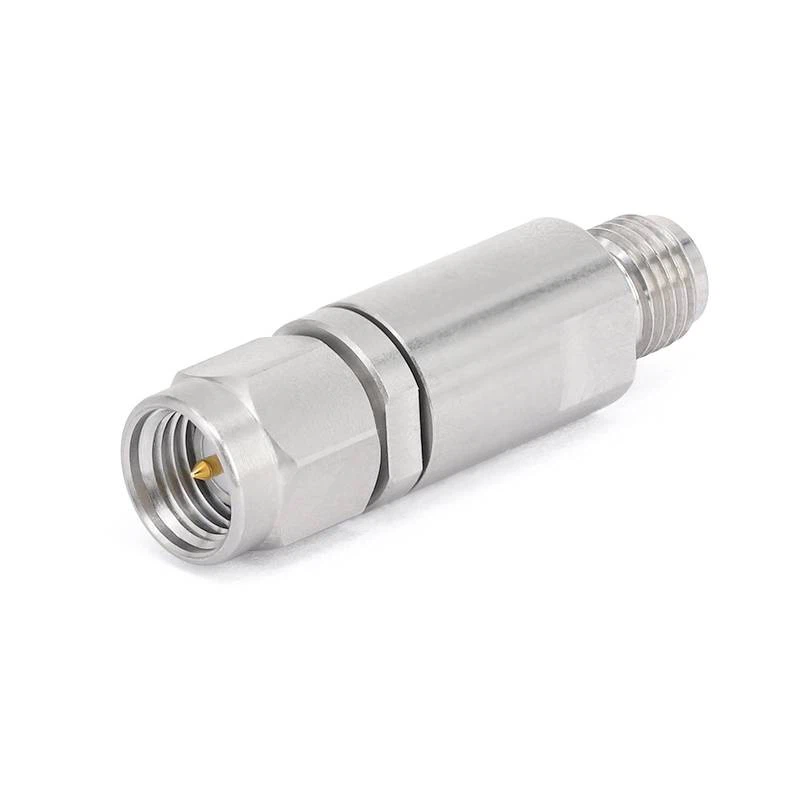
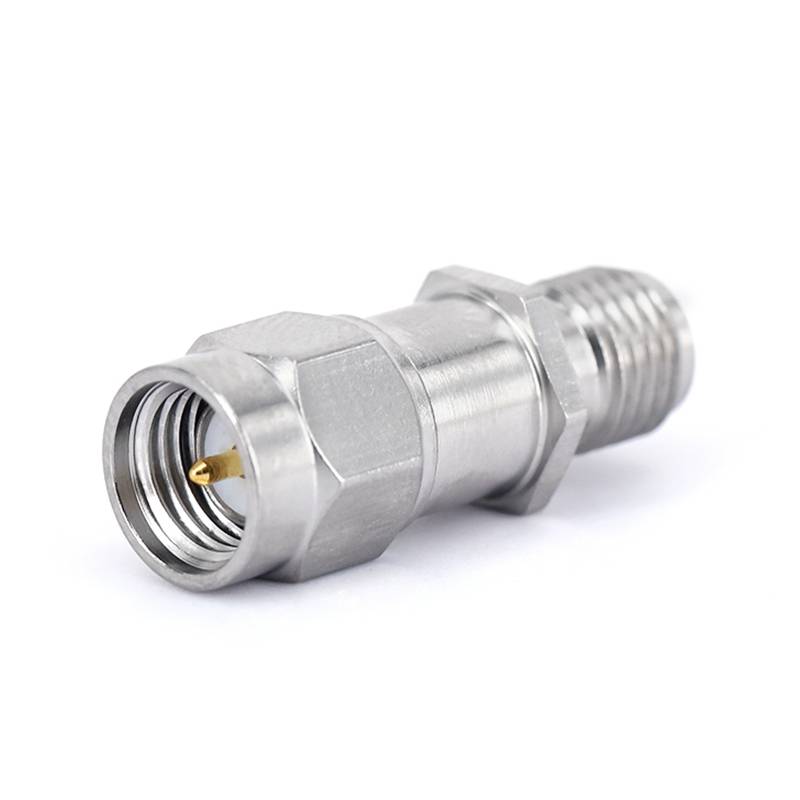
- Connect the Test Leads: Connect one test lead to the conductor of the DC block and the other test lead to the grounding point or the outer casing of the DC block. Make sure the connections are secure and free from any loose wires.
- Set the Tester: Set the insulation resistance tester to the appropriate voltage range. The voltage used for testing should be in accordance with the manufacturer's recommendations or industry standards.
- Apply the Test Voltage: Press the test button on the insulation resistance tester to apply the test voltage to the DC block. The tester will measure the current flowing through the insulation and calculate the insulation resistance.
- Record the Reading: After a specified test time (usually 60 seconds), record the insulation resistance reading displayed on the tester. Make sure to note the test voltage and the test time for future reference.
- Repeat the Test: Repeat the insulation resistance test at least two more times to ensure consistency and accuracy of the results. If the readings vary significantly, investigate the cause and repeat the test until consistent results are obtained.
Interpreting the Test Results
The insulation resistance reading obtained from the test can provide valuable information about the condition of the DC block's insulation. Here are some general guidelines for interpreting the test results:
- High Insulation Resistance: A high insulation resistance reading (typically in the range of several megohms or more) indicates that the insulation is in good condition and is effectively preventing leakage currents.
- Low Insulation Resistance: A low insulation resistance reading (less than the specified minimum value) may indicate a problem with the insulation, such as moisture ingress, damage, or aging. In such cases, further investigation and corrective actions may be required.
- Inconsistent Readings: If the insulation resistance readings vary significantly between tests, it may indicate a problem with the testing equipment, the test setup, or the DC block itself. In such cases, repeat the test and check for any potential sources of error.
Safety Precautions
When conducting insulation resistance testing, it is important to follow these safety precautions to prevent electrical hazards:
- Use Proper PPE: Wear insulated gloves, safety glasses, and other appropriate PPE to protect yourself from electrical shock.
- Follow Manufacturer's Instructions: Read and follow the manufacturer's instructions for the insulation resistance tester and the DC block being tested.
- Avoid Contact with Live Parts: Do not touch any live parts of the electrical system during the test. Make sure the DC block is completely isolated from the power source before connecting the test leads.
- Disconnect the Tester: After completing the test, disconnect the insulation resistance tester from the DC block and turn off the power to the tester.
Conclusion
Testing the insulation resistance of a DC block is an important procedure that helps ensure the safety and reliability of electrical systems. By following the steps outlined in this blog post and taking the necessary safety precautions, you can effectively test the insulation resistance of a DC block and identify any potential problems. As a DC blocks supplier, I am committed to providing high-quality products and accurate information to help you maintain the performance of your electrical systems. If you have any questions or need further assistance with insulation resistance testing or DC block selection, please feel free to [contact us for procurement and further discussions].
References
- Electrical Safety Standards and Guidelines
- Manufacturer's Documentation for DC Blocks and Insulation Resistance Testers


