
How to troubleshoot a faulty DC block?
Leave a message

Troubleshooting a faulty DC block can be a daunting task, but with the right approach and knowledge, you can quickly identify and resolve the issue. As a leading DC blocks supplier, we understand the importance of ensuring that your DC blocks are functioning optimally. In this blog post, we will guide you through the process of troubleshooting a faulty DC block, providing you with practical tips and insights to help you get your equipment back up and running efficiently.
Understanding DC Blocks
Before diving into the troubleshooting process, it's essential to have a basic understanding of what DC blocks are and how they work. DC blocks, also known as DC isolators or DC decouplers, are electronic components used to block direct current (DC) while allowing alternating current (AC) to pass through. They are commonly used in various applications, including telecommunications, power distribution, and RF systems, to prevent DC interference and protect sensitive equipment from damage.
DC blocks typically consist of a capacitor or a combination of capacitors and inductors. Capacitors are used to block DC because they act as an open circuit to DC signals while allowing AC signals to pass through. Inductors, on the other hand, are used to provide impedance to AC signals, which helps to filter out unwanted frequencies and improve the overall performance of the DC block.
Common Symptoms of a Faulty DC Block
Identifying the symptoms of a faulty DC block is the first step in the troubleshooting process. Here are some common signs that your DC block may be malfunctioning:
- Loss of Signal: If you notice a significant reduction in the strength of your AC signal or a complete loss of signal, it could be a sign of a faulty DC block. This could be due to a capacitor failure, which would prevent the AC signal from passing through the DC block.
- DC Leakage: Another common symptom of a faulty DC block is DC leakage. If you measure a DC voltage across the output of the DC block when it should be blocking DC, it indicates that the DC block is not functioning correctly. This could be caused by a damaged capacitor or a short circuit in the DC block.
- Overheating: Overheating is a clear indication that there is a problem with the DC block. Excessive heat can be caused by a variety of factors, including high current flow, a short circuit, or a malfunctioning component. If you notice that your DC block is getting hot to the touch, it's important to shut down the system immediately and investigate the issue.
- Strange Noises: Unusual noises, such as buzzing or humming, coming from the DC block can also be a sign of a problem. These noises could be caused by a loose connection, a damaged component, or a problem with the power supply.
Troubleshooting Steps
Once you have identified the symptoms of a faulty DC block, it's time to start the troubleshooting process. Here are the steps you can follow to diagnose and resolve the issue:
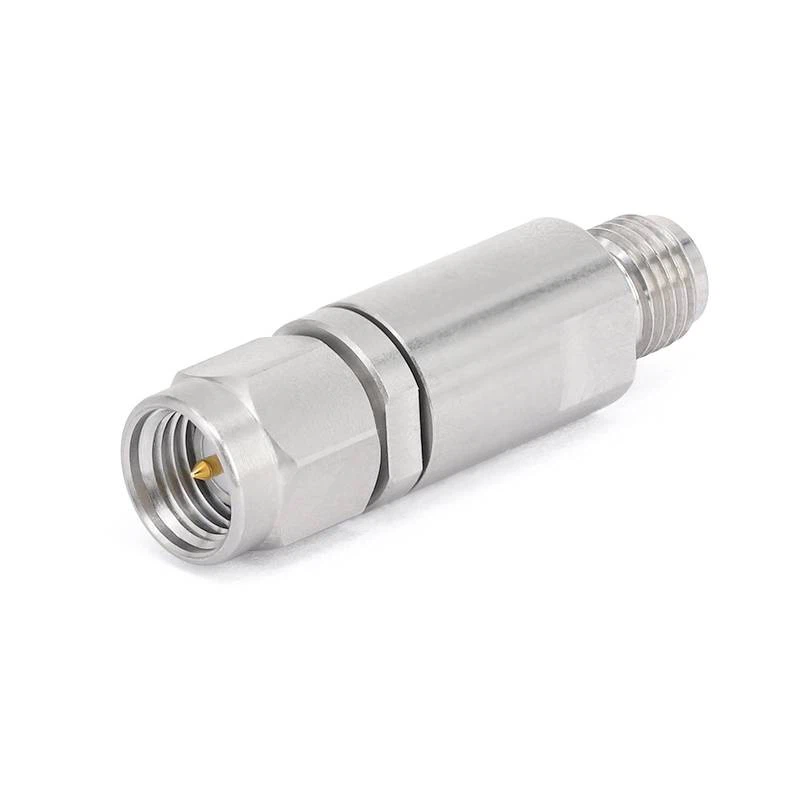

Step 1: Visual Inspection
The first step in troubleshooting a faulty DC block is to perform a visual inspection. Check for any obvious signs of damage, such as burnt components, loose connections, or physical damage to the DC block. Look for any signs of overheating, such as discoloration or melting of the components. If you notice any of these issues, it's likely that the DC block needs to be replaced.
Step 2: Check the Power Supply
Next, check the power supply to ensure that it is providing the correct voltage and current to the DC block. Use a multimeter to measure the voltage across the input terminals of the DC block. If the voltage is outside the specified range, it could be a sign of a problem with the power supply. Check the power supply for any loose connections, damaged cables, or blown fuses.
Step 3: Test the Capacitors
Capacitors are one of the most common components to fail in a DC block. To test the capacitors, use a capacitance meter to measure the capacitance of each capacitor in the DC block. Compare the measured values with the specified values on the capacitor datasheet. If the measured capacitance is significantly different from the specified value, it indicates that the capacitor is faulty and needs to be replaced.
Step 4: Check for DC Leakage
Use a multimeter to measure the DC voltage across the output terminals of the DC block. If you measure a DC voltage when it should be blocking DC, it indicates that there is DC leakage in the DC block. This could be caused by a damaged capacitor or a short circuit. To isolate the problem, you can use a process of elimination by disconnecting each component in the DC block one by one and measuring the DC voltage again.
Step 5: Inspect the Inductors
Inductors can also fail in a DC block, although it is less common than capacitor failure. Check the inductors for any signs of physical damage, such as broken wires or short circuits. Use an inductance meter to measure the inductance of each inductor in the DC block. Compare the measured values with the specified values on the inductor datasheet. If the measured inductance is significantly different from the specified value, it indicates that the inductor is faulty and needs to be replaced.
Step 6: Check the Connections
Loose or faulty connections can also cause problems with the DC block. Check all the connections in the DC block, including the input and output terminals, the capacitor and inductor connections, and any other connections in the circuit. Make sure that all the connections are tight and secure. If you find any loose connections, tighten them or replace the connectors if necessary.
Step 7: Replace Faulty Components
Once you have identified the faulty components in the DC block, it's time to replace them. Make sure to use components that are compatible with the DC block and have the same specifications as the original components. Follow the manufacturer's instructions for replacing the components, and take care to avoid damaging any other components in the process.
Preventive Maintenance
To prevent future problems with your DC blocks, it's important to perform regular preventive maintenance. Here are some tips to help you keep your DC blocks in good working condition:
- Keep the DC Blocks Clean: Dust and dirt can accumulate on the DC blocks over time, which can cause overheating and other problems. Regularly clean the DC blocks using a soft brush or compressed air to remove any dust or dirt.
- Check the Connections Regularly: Loose connections can cause problems with the DC blocks, so it's important to check the connections regularly and tighten them if necessary.
- Monitor the Temperature: Overheating is a common cause of DC block failure, so it's important to monitor the temperature of the DC blocks regularly. If you notice that the temperature is getting too high, take steps to reduce the temperature, such as increasing the ventilation or reducing the load on the DC blocks.
- Replace Components as Needed: Components in the DC blocks can wear out over time, so it's important to replace them as needed. Keep a stock of spare components on hand so that you can quickly replace any faulty components.
Conclusion
Troubleshooting a faulty DC block can be a challenging task, but with the right approach and knowledge, you can quickly identify and resolve the issue. By following the steps outlined in this blog post, you can diagnose and fix common problems with DC blocks, ensuring that your equipment is functioning optimally. As a DC blocks supplier, we are committed to providing you with high-quality DC blocks and excellent customer service. If you have any questions or need further assistance with troubleshooting a faulty DC block, please don't hesitate to contact us. We would be happy to help you find the right solution for your needs.
If you are interested in learning more about our Inner DC Blocks, please visit our website at Inner DC Blocks. We offer a wide range of Inner DC Blocks that are designed to meet the needs of various applications. Our Inner DC Blocks are made from high-quality materials and are rigorously tested to ensure their reliability and performance.
If you are in the market for DC blocks or need to replace a faulty DC block, we invite you to contact us to discuss your requirements. Our team of experts will be happy to assist you in selecting the right DC block for your application and provide you with a competitive quote. We look forward to working with you and helping you find the best solution for your DC block needs.
References
- "DC Block Design and Application Guide" by XYZ Electronics
- "Electronics Troubleshooting Handbook" by ABC Publishing
- Manufacturer's datasheets for DC blocks and components


