

What are the advantages and disadvantages of Class A RF amplifiers?
Leave a message

Hey there! As a supplier of RF amplifiers, I've been dealing with these nifty devices for quite a while. Today, I'm gonna dive into the world of Class A RF amplifiers and talk about their advantages and disadvantages.
Let's start with the good stuff - the advantages of Class A RF amplifiers. First off, they offer excellent linearity. Linearity is a big deal in RF amplifiers because it means that the output signal is an accurate reproduction of the input signal. In other words, there's very little distortion. This is super important in applications where signal fidelity is crucial, like in high - end audio systems or some types of communication systems. For example, if you're trying to transmit a complex radio signal with lots of different frequencies, a Class A amplifier will make sure that all those frequencies come out on the other end without getting all jumbled up.
Another great thing about Class A RF amplifiers is their low harmonic distortion. Harmonics are unwanted frequencies that are multiples of the original signal frequency. When you have a lot of harmonic distortion, it can cause interference with other signals in the same frequency range. Class A amplifiers keep these harmonics to a minimum, which is a huge plus in crowded RF environments.
Class A amplifiers also have a relatively simple design. Compared to some other classes of RF amplifiers, they're easier to understand and build. This simplicity can translate into lower development costs and shorter design cycles. If you're a small - scale manufacturer or a hobbyist, this can be a real advantage. You don't need to be a rocket scientist to get a Class A amplifier up and running.
Now, let's talk about the frequency response. Class A RF amplifiers typically have a wide and flat frequency response. This means that they can amplify signals across a broad range of frequencies without significant loss in gain. Whether you're working with low - frequency RF signals or high - frequency ones, a Class A amplifier can handle them pretty well. For instance, our 18GHz Low Noise Amplifiers are designed to take advantage of the wide - frequency response capabilities of Class A amplifiers to provide excellent performance in the 18GHz range.
However, like any technology, Class A RF amplifiers aren't all sunshine and rainbows. There are some significant disadvantages that you need to be aware of.
One of the biggest drawbacks is their low efficiency. Class A amplifiers are known for being power - hungry. They operate with the active device (usually a transistor) conducting all the time, even when there's no input signal. This constant conduction means that a lot of power is wasted as heat. In fact, in a Class A amplifier, the maximum theoretical efficiency is only 50%, but in real - world applications, it's often much lower, sometimes around 20 - 30%. This is a major problem in battery - powered devices or in applications where power consumption is a critical factor. For example, if you're building a portable RF device, the high power consumption of a Class A amplifier can quickly drain the battery, reducing the device's runtime.
The heat generated by Class A amplifiers is not just a power - consumption issue; it's also a reliability concern. Excessive heat can cause the components in the amplifier to degrade over time, leading to a shorter lifespan and more frequent failures. You need to invest in good heat - sinking solutions to keep the amplifier cool, which adds to the overall cost and complexity of the system.
Another disadvantage is the limited power output. Class A amplifiers are not well - suited for high - power applications. Because of their low efficiency and the heat - dissipation problems, it's difficult to push a Class A amplifier to deliver a large amount of power. If you need to amplify a signal to a very high power level, you might have to look at other classes of amplifiers, like Class B or Class C.
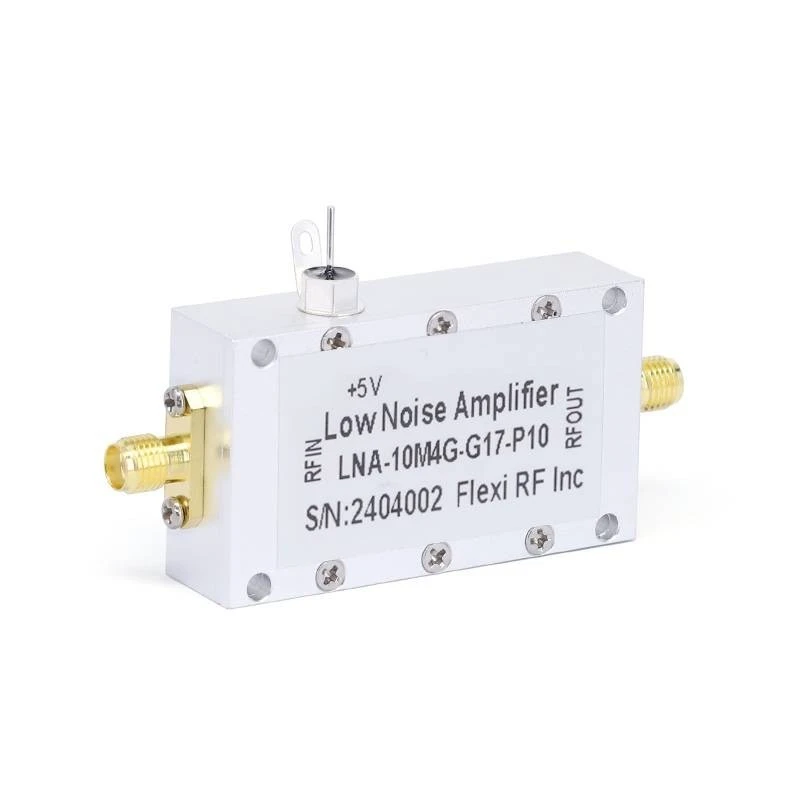
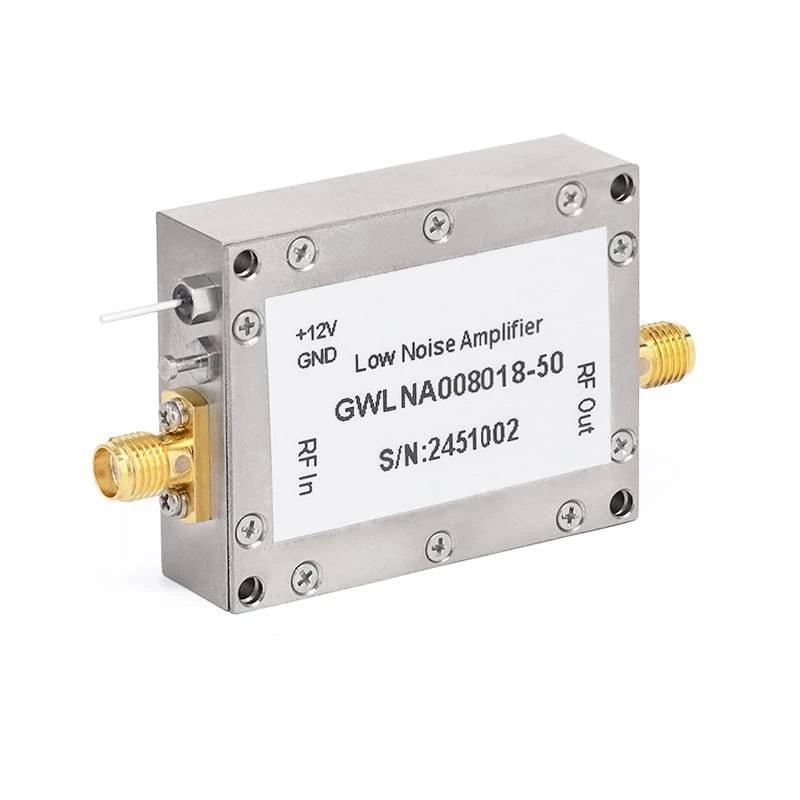
In terms of cost, while the design of Class A amplifiers is relatively simple, the overall cost can still be high. The need for high - quality components to ensure good linearity and low distortion, along with the cost of heat - sinking solutions, can add up. This can make Class A amplifiers less attractive for cost - sensitive applications.
Let's also talk about the size. Due to the heat - sinking requirements and the need for larger power supplies to handle the high power consumption, Class A amplifiers tend to be bulkier than other types of amplifiers. This can be a problem in applications where space is limited, such as in some types of mobile devices or compact RF systems.
Now, even with these disadvantages, there are still plenty of situations where Class A RF amplifiers shine. For example, in applications where signal quality is the top priority, like in some scientific research equipment or high - end audio systems, the advantages of linearity and low distortion outweigh the drawbacks of low efficiency and high cost.
If you're interested in our RF amplifiers, we also offer 90GHz Low Noise Amplifiers and 170GHz Low Noise Amplifiers. These products are designed to meet the specific needs of high - frequency applications, taking advantage of the unique characteristics of Class A amplifiers while trying to mitigate some of the disadvantages.
So, if you're in the market for RF amplifiers and are considering Class A amplifiers, it's important to weigh the pros and cons carefully. Think about your specific application requirements, such as power consumption, signal quality, and cost. If you have any questions or want to discuss your needs further, don't hesitate to reach out. We're here to help you find the best RF amplifier solution for your project. Whether you're a large - scale manufacturer or a small - time hobbyist, we've got the expertise and the products to meet your needs. Let's start a conversation and see how we can work together to get you the right RF amplifier for your situation.
References
- "RF Amplifier Design" by Chris Bowick
- "Microwave Engineering" by David M. Pozar


