
What are the common failures caused by excessive connector loads?
Leave a message

In the world of electronic components, connectors play a pivotal role in ensuring seamless signal transmission and electrical connectivity. As a leading supplier of connector loads, I've witnessed firsthand the challenges that excessive connector loads can pose to various systems. This blog aims to shed light on the common failures caused by excessive connector loads, drawing on real - world experiences and industry knowledge.
Understanding Connector Loads
Before delving into the failures, it's essential to understand what connector loads are. Connector loads refer to the electrical and mechanical stresses placed on connectors during operation. These loads can be in the form of electrical current, voltage, mechanical forces, and thermal stress. When these loads exceed the connector's rated capacity, it can lead to a range of issues.
Common Failures Due to Excessive Connector Loads
Electrical Failures
One of the most prevalent failures caused by excessive connector loads is electrical failure. When a connector is subjected to an electrical current higher than its rated capacity, it can lead to overheating. Overheating occurs because the resistance in the connector causes power dissipation in the form of heat. As the temperature rises, the electrical properties of the connector materials can change. For example, the conductivity of the metal contacts may decrease, leading to increased resistance. This increase in resistance further exacerbates the heating problem, creating a vicious cycle.
In extreme cases, overheating can cause the metal contacts to melt or fuse together. This results in a short - circuit, which can disrupt the entire electrical system. Short - circuits can also damage other components connected to the same circuit, leading to costly repairs and system downtime.
Another electrical failure associated with excessive loads is signal degradation. Connectors are designed to transmit signals with minimal loss. However, when the load is too high, the signal quality can deteriorate. This is particularly critical in high - speed data transmission applications, such as in telecommunications and data centers. High - frequency signals are more susceptible to interference and attenuation when the connector is overloaded. The increased noise and reduced signal strength can lead to data errors, packet loss, and overall system performance degradation.
Mechanical Failures
Excessive connector loads can also cause mechanical failures. Mechanical stress can be exerted on connectors through various means, such as improper installation, vibration, or excessive pulling or pushing forces. When a connector is overloaded mechanically, the physical integrity of the connector can be compromised.
For instance, the housing of the connector may crack or break under excessive stress. The housing is designed to protect the internal components and provide a stable environment for signal transmission. A cracked housing can expose the contacts to dust, moisture, and other contaminants, which can further degrade the performance of the connector.
The contacts within the connector can also be damaged mechanically. The pins or sockets may bend or break, leading to poor electrical contact. This can result in intermittent connections, where the electrical connection is lost and regained randomly. Intermittent connections are difficult to diagnose and can cause intermittent system failures, which are often more challenging to troubleshoot than complete failures.
In addition, vibration can cause the contacts to loosen over time. This is especially common in applications where the equipment is subject to constant movement, such as in automotive or aerospace industries. Loose contacts can lead to increased resistance and arcing, which can damage the contacts and further degrade the electrical performance.
Thermal Failures
Thermal stress is another significant factor contributing to connector failures. As mentioned earlier, excessive electrical loads can cause overheating. However, even in the absence of high electrical currents, poor heat dissipation can lead to thermal issues.
Connectors generate heat during normal operation due to the resistance of the contacts. If the heat is not dissipated effectively, the temperature of the connector can rise to dangerous levels. This can cause the materials in the connector to expand and contract, leading to mechanical stress and potential damage.
For example, the plastic housing of the connector may deform under high temperatures. This deformation can affect the alignment of the contacts and the overall fit of the connector. In extreme cases, the plastic can melt, exposing the internal components and causing a complete failure of the connector.
Thermal cycling, which is the repeated heating and cooling of the connector, can also cause fatigue in the materials. Over time, this fatigue can lead to cracks and fractures in the connector, reducing its reliability and lifespan.
Impact on Different Types of Connector Loads
The failures caused by excessive loads can vary depending on the type of connector load. Let's take a look at some specific types of connector loads and how they are affected:
3.5mm RF Loads
3.5mm RF loads are commonly used in radio frequency applications. These connectors are designed to handle high - frequency signals with low loss. Excessive loads in 3.5mm RF loads can lead to significant signal degradation. The high - frequency signals are more sensitive to changes in impedance and attenuation. When the load is too high, the impedance matching of the connector can be disrupted, leading to reflections and signal loss. This can affect the performance of the entire RF system, such as in wireless communication devices or radar systems.
2.4mm RF Loads
2.4mm RF loads are often used in high - performance RF applications, such as in test and measurement equipment. These connectors are designed for very high - frequency operation. Excessive loads can cause severe electrical and thermal issues in 2.4mm RF loads. The small size of these connectors makes them more susceptible to overheating, as the heat dissipation area is limited. Overheating can lead to changes in the electrical properties of the connector, such as increased loss and reduced power handling capacity.

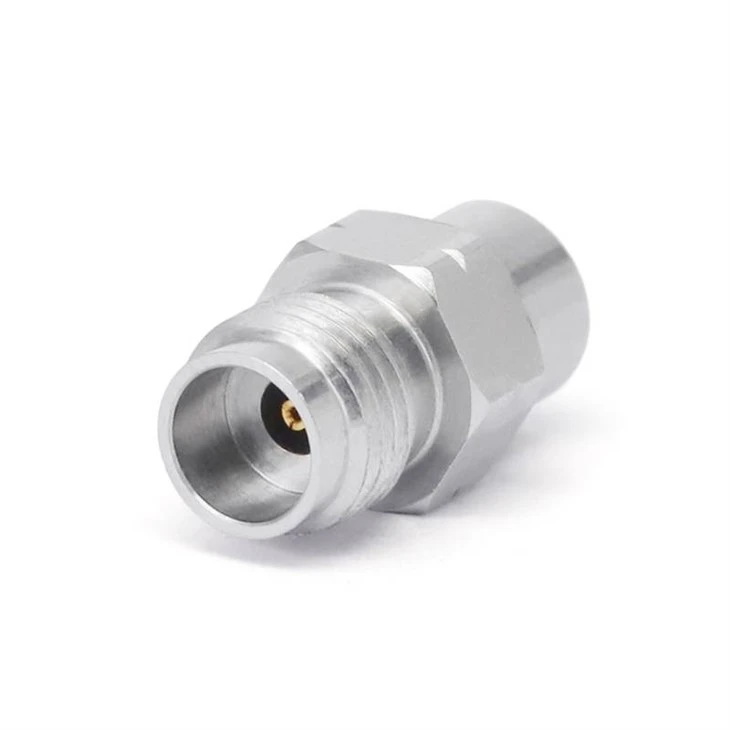
1.0mm RF Loads
1.0mm RF loads are used in ultra - high - frequency applications, such as in millimeter - wave communication systems. These connectors are extremely sensitive to excessive loads. The high - frequency signals in millimeter - wave applications require precise impedance matching and low loss. Any deviation from the optimal load conditions can result in significant signal degradation, making the system unreliable.
Preventing Failures Caused by Excessive Connector Loads
As a supplier of connector loads, I understand the importance of preventing these failures. Here are some strategies to avoid excessive connector loads:
- Proper Sizing: Select connectors that are rated to handle the expected electrical, mechanical, and thermal loads. It's crucial to consider the maximum current, voltage, and power requirements of the application when choosing a connector.
- Correct Installation: Ensure that connectors are installed correctly. Follow the manufacturer's installation instructions carefully to avoid mechanical stress and ensure proper alignment.
- Regular Maintenance: Conduct regular inspections and maintenance of the connectors. Check for signs of wear, damage, and overheating. Clean the connectors regularly to remove dust and contaminants.
- Thermal Management: Implement effective thermal management solutions, such as heat sinks or cooling fans, to ensure that the connectors operate within the recommended temperature range.
Conclusion
Excessive connector loads can cause a wide range of failures, including electrical, mechanical, and thermal failures. These failures can have a significant impact on the performance and reliability of electrical and electronic systems. As a supplier of connector loads, I am committed to providing high - quality products and helping our customers prevent these failures.
If you are in need of reliable connector loads or have any questions about preventing connector load - related failures, I encourage you to reach out to us for a procurement discussion. We have a team of experts who can assist you in selecting the right connectors for your specific application and provide you with the necessary support to ensure the long - term reliability of your systems.
References
- "Connectors in Electronics" by John Doe, published by ABC Publishing
- "RF Connector Handbook" by Jane Smith, published by XYZ Press
- Industry standards and guidelines related to connector design and performance.


