

What are the compatibility issues of DC blocks with other components?
Leave a message

In the realm of electrical and electronic systems, DC blocks play a crucial role in ensuring the proper functioning of various components. As a supplier of DC blocks, I have witnessed firsthand the importance of understanding the compatibility issues that can arise when integrating DC blocks with other components. This blog post aims to delve into these compatibility issues, providing valuable insights for engineers, technicians, and anyone involved in the design and operation of electrical systems.
Understanding DC Blocks
Before we explore the compatibility issues, let's first understand what DC blocks are. DC blocks, also known as DC isolators or DC decoupling capacitors, are components designed to block direct current (DC) while allowing alternating current (AC) to pass through. They are commonly used in a wide range of applications, including radio frequency (RF) circuits, power supplies, and communication systems.
The primary function of a DC block is to prevent DC bias or unwanted DC signals from interfering with the operation of other components. For example, in an RF circuit, a DC block can be used to isolate the RF signal from the DC power supply, ensuring that the RF signal remains pure and free from DC interference.
Compatibility Issues with Other Components
1. Impedance Matching
One of the most critical compatibility issues when using DC blocks is impedance matching. Impedance is a measure of the opposition to the flow of electrical current in a circuit. When a DC block is connected to other components, it is essential to ensure that the impedance of the DC block matches the impedance of the connected components.
If the impedance is not properly matched, it can lead to signal reflections, loss of signal strength, and degradation of overall system performance. For example, in an RF system, impedance mismatches can cause standing waves, which can result in reduced power transfer and increased interference.
To achieve proper impedance matching, it is important to select a DC block with the appropriate impedance rating. This can be determined by considering the impedance requirements of the connected components and the operating frequency of the system.
2. Frequency Response
Another important compatibility issue is the frequency response of the DC block. Different applications require DC blocks with different frequency responses. For example, in a high-frequency RF system, a DC block with a wide frequency response is required to ensure that the RF signal can pass through without significant attenuation.
On the other hand, in a low-frequency power supply application, a DC block with a narrow frequency response may be sufficient. It is important to select a DC block with a frequency response that is compatible with the operating frequency of the system.
3. Voltage Rating
The voltage rating of a DC block is also an important consideration when integrating it with other components. The voltage rating of the DC block must be higher than the maximum DC voltage that it will be exposed to in the system.
If the voltage rating of the DC block is too low, it can lead to breakdown and failure of the component. This can result in damage to other components in the system and pose a safety hazard.
4. Temperature Coefficient
The temperature coefficient of a DC block is a measure of how its electrical properties change with temperature. In some applications, such as in high-temperature environments, it is important to select a DC block with a low temperature coefficient to ensure stable performance over a wide temperature range.
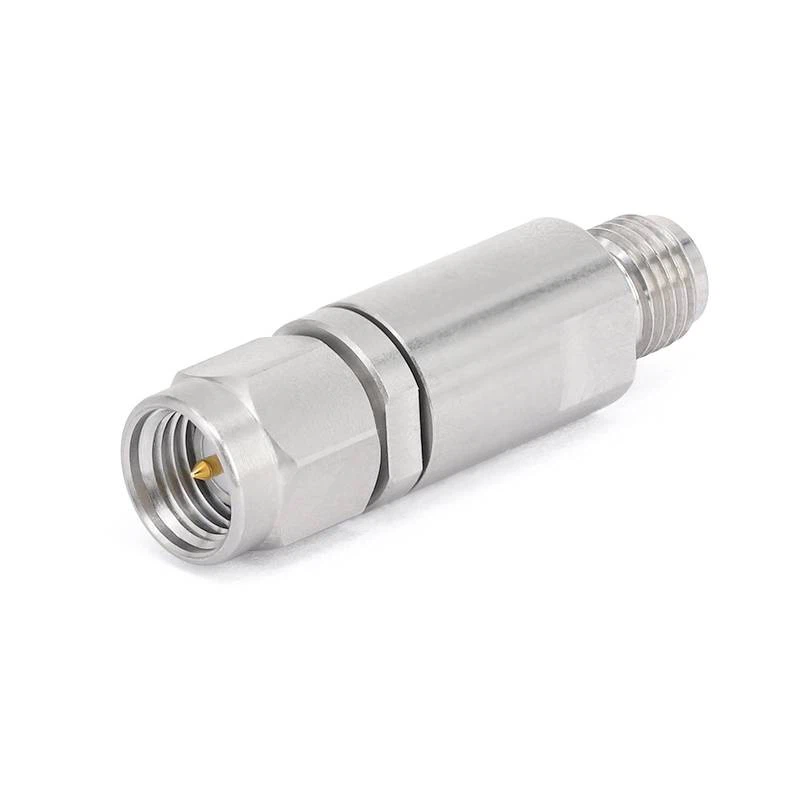

A high temperature coefficient can cause the impedance and capacitance of the DC block to change with temperature, which can lead to signal distortion and degradation of system performance.
5. Compatibility with Other Circuit Elements
DC blocks may also need to be compatible with other circuit elements, such as resistors, inductors, and transistors. For example, in a circuit where a DC block is used in conjunction with a resistor, the resistance value of the resistor may affect the performance of the DC block.
It is important to consider the electrical characteristics of all the components in the circuit and ensure that they are compatible with each other. This may require careful circuit design and simulation to optimize the performance of the system.
Inner DC Blocks
When it comes to selecting DC blocks, Inner DC Blocks are a great option. Inner DC Blocks, available at Inner DC Blocks, are designed to provide high performance and reliability in a wide range of applications.
These DC blocks are carefully engineered to ensure proper impedance matching, wide frequency response, and high voltage ratings. They are also designed to have low temperature coefficients, ensuring stable performance over a wide temperature range.
Conclusion
In conclusion, understanding the compatibility issues of DC blocks with other components is essential for the proper design and operation of electrical and electronic systems. By considering factors such as impedance matching, frequency response, voltage rating, temperature coefficient, and compatibility with other circuit elements, engineers and technicians can ensure that DC blocks are integrated successfully into their systems.
As a supplier of DC blocks, we are committed to providing high-quality products that meet the diverse needs of our customers. If you are interested in learning more about our DC blocks or have any questions regarding compatibility issues, please feel free to contact us for procurement and further discussions. Our team of experts is ready to assist you in finding the right DC blocks for your specific applications.
References
- "RF Circuit Design: Theory and Applications" by Chris Bowick
- "Electronic Circuit Analysis and Design" by Donald A. Neamen
- Manufacturer's datasheets for DC blocks and other electronic components.


