

What are the effects of wind on horn antennas?
Leave a message

Wind is a natural phenomenon that can have various effects on different types of antennas, including horn antennas. As a supplier of Horn Antennas, we have witnessed firsthand the impact of wind on these antennas and understand the importance of considering this factor in antenna design, installation, and operation. In this blog post, we will explore the effects of wind on horn antennas and discuss how to mitigate these effects to ensure optimal performance.
Structural Integrity
One of the primary concerns when it comes to wind and horn antennas is the impact on the antenna's structural integrity. Horn antennas are typically large and have a relatively high profile, which makes them more susceptible to wind forces compared to smaller antennas. Strong winds can exert significant pressure on the antenna, causing it to bend, twist, or even break if it is not properly designed and installed.
To withstand wind forces, horn antennas need to be constructed using robust materials and designed with a strong structural framework. The antenna's support structure, such as the mast or tower, also plays a crucial role in ensuring its stability. It should be designed to withstand the maximum expected wind speeds in the installation area and be properly anchored to the ground.
In addition to the design and construction of the antenna, proper installation is essential to ensure its structural integrity. The antenna should be installed by experienced professionals who follow the manufacturer's guidelines and local building codes. This includes ensuring that the antenna is level, properly aligned, and securely fastened to the support structure.
Radiation Pattern Distortion
Another effect of wind on horn antennas is the potential for radiation pattern distortion. The radiation pattern of an antenna describes the way it radiates or receives electromagnetic waves in different directions. Wind can cause the antenna to vibrate or move, which can lead to changes in its radiation pattern.
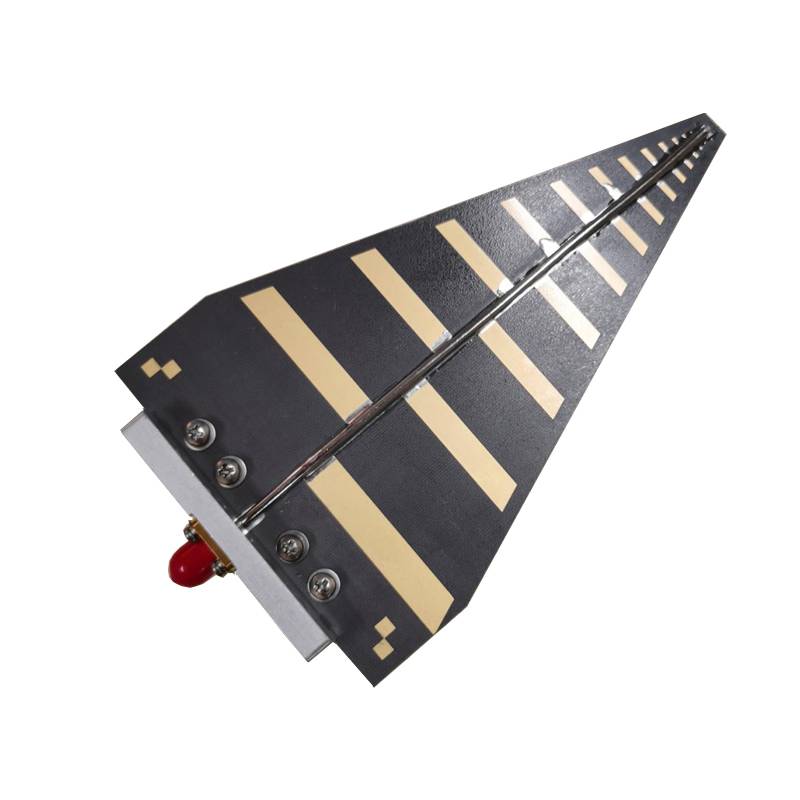
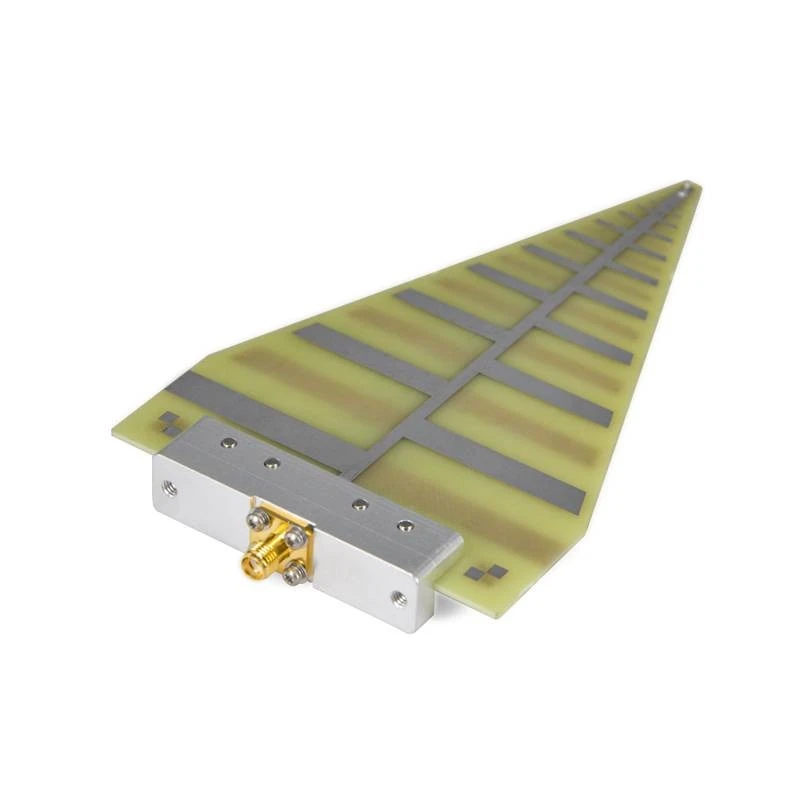
When an antenna vibrates, it can cause the phase and amplitude of the radiated or received signals to vary. This can result in a distortion of the radiation pattern, leading to a decrease in the antenna's gain and directivity. In some cases, the radiation pattern may become asymmetrical, which can affect the antenna's ability to communicate effectively with other antennas or devices.
To minimize the impact of wind on the radiation pattern, horn antennas can be designed with damping mechanisms to reduce vibrations. These mechanisms can include the use of shock absorbers, vibration isolators, or other materials that can absorb or dissipate the energy generated by the wind. Additionally, the antenna can be installed in a location that is sheltered from strong winds, such as behind a building or in a valley.
Signal Loss
Wind can also cause signal loss in horn antennas. When an antenna is exposed to strong winds, it can cause the antenna to move or vibrate, which can lead to a change in the impedance of the antenna. Impedance is a measure of the opposition to the flow of electrical current in a circuit, and a change in impedance can result in a mismatch between the antenna and the transmission line.
A mismatch between the antenna and the transmission line can cause some of the signal to be reflected back towards the source, resulting in a loss of power. This can lead to a decrease in the signal strength and quality, which can affect the performance of the communication system.
To minimize signal loss due to wind, horn antennas can be designed with impedance matching circuits to ensure a proper match between the antenna and the transmission line. Additionally, the antenna can be installed in a location that is sheltered from strong winds, and the transmission line can be properly installed and protected to minimize the impact of wind on its performance.
Noise and Interference
Wind can also introduce noise and interference into the signal received by horn antennas. When an antenna is exposed to strong winds, it can cause the antenna to vibrate or move, which can generate electrical noise. This noise can be picked up by the antenna and added to the received signal, resulting in a decrease in the signal-to-noise ratio.
In addition to electrical noise, wind can also cause mechanical noise, such as the sound of the wind blowing through the antenna or the support structure. This mechanical noise can be transmitted to the antenna and added to the received signal, further degrading the signal quality.
To minimize noise and interference due to wind, horn antennas can be designed with shielding and filtering mechanisms to reduce the impact of electrical and mechanical noise. Additionally, the antenna can be installed in a location that is sheltered from strong winds, and the support structure can be designed to minimize the generation of mechanical noise.
Mitigating the Effects of Wind
To mitigate the effects of wind on horn antennas, several measures can be taken during the design, installation, and operation of the antenna. These measures include:
- Proper Design: Horn antennas should be designed to withstand the maximum expected wind speeds in the installation area. This includes using robust materials, a strong structural framework, and damping mechanisms to reduce vibrations.
- Secure Installation: The antenna should be installed by experienced professionals who follow the manufacturer's guidelines and local building codes. This includes ensuring that the antenna is level, properly aligned, and securely fastened to the support structure.
- Sheltered Location: The antenna should be installed in a location that is sheltered from strong winds, such as behind a building or in a valley. This can help to reduce the impact of wind on the antenna's performance.
- Impedance Matching: The antenna should be designed with impedance matching circuits to ensure a proper match between the antenna and the transmission line. This can help to minimize signal loss due to wind.
- Shielding and Filtering: The antenna should be designed with shielding and filtering mechanisms to reduce the impact of electrical and mechanical noise. This can help to improve the signal quality and reduce interference.
Conclusion
Wind can have a significant impact on the performance of horn antennas. It can affect the structural integrity of the antenna, cause radiation pattern distortion, signal loss, noise, and interference. However, by taking appropriate measures during the design, installation, and operation of the antenna, these effects can be minimized.
As a supplier of Horn Antennas, we are committed to providing our customers with high-quality antennas that are designed to withstand the effects of wind and other environmental factors. Our antennas are constructed using the latest technology and materials, and are rigorously tested to ensure their performance and reliability.
If you are in the market for horn antennas or have any questions about the effects of wind on antennas, please do not hesitate to contact us. Our team of experts is available to provide you with the information and support you need to make an informed decision. We look forward to working with you to meet your antenna needs.
References
- Balanis, C. A. (2016). Antenna Theory: Analysis and Design (4th ed.). Wiley.
- Kraus, J. D., & Marhefka, R. J. (2002). Antennas for All Applications (3rd ed.). McGraw-Hill.
- Stutzman, W. L., & Thiele, G. A. (2012). Antenna Theory and Design (3rd ed.). Wiley.


