

What are the materials used to make DC blocks?
Leave a message

DC blocks are essential components in various electrical and electronic systems, designed to block direct current (DC) while allowing alternating current (AC) to pass through. As a DC blocks supplier, I have in - depth knowledge of the materials used in their manufacturing. In this blog, I will explore the different materials commonly employed to make DC blocks and their unique properties.
Dielectric Materials
One of the most crucial aspects of DC blocks is the dielectric material. Dielectrics are insulators that can store electrical energy in an electric field. They play a vital role in determining the performance of DC blocks, such as their capacitance, voltage rating, and frequency response.
Ceramic
Ceramic is a widely used dielectric material in DC block manufacturing. It offers several advantages, including high dielectric constant, which allows for the creation of smaller - sized DC blocks with high capacitance values. Different types of ceramic materials are available, each with its own characteristics. For example, Class 1 ceramic dielectrics, such as C0G (NP0), have excellent temperature stability and low dielectric loss. They are suitable for applications where high - precision and stability are required, like in communication systems and test equipment. On the other hand, Class 2 ceramic dielectrics, such as X7R, have a higher dielectric constant but less stable temperature characteristics. They are often used in applications where cost - effectiveness and moderate performance are acceptable, such as in power supplies and consumer electronics.

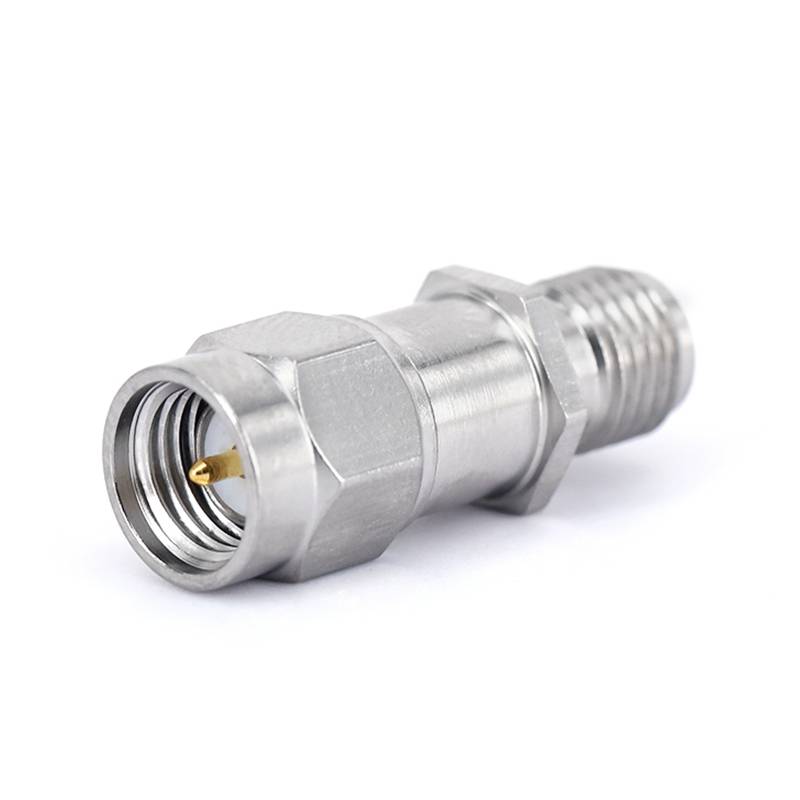
The manufacturing process of ceramic - based DC blocks involves shaping the ceramic material into the desired form, such as a disc or a multilayer structure. The ceramic is then fired at high temperatures to achieve the required electrical and mechanical properties. After firing, electrodes are applied to the ceramic surface to form the capacitor structure of the DC block.
Polypropylene
Polypropylene is another popular dielectric material for DC blocks. It has a low dielectric loss, which means that it dissipates very little energy as heat when an AC signal passes through the DC block. This makes it ideal for high - frequency applications, such as radio frequency (RF) circuits. Polypropylene also has a high breakdown voltage, allowing it to withstand high - voltage DC biases without breaking down.
DC blocks made with polypropylene are typically constructed as film capacitors. The polypropylene film is wound into a cylindrical shape, and metal electrodes are deposited on the film surface. The wound structure provides a large surface area, which increases the capacitance of the DC block. Polypropylene - based DC blocks are known for their excellent self - healing properties. In case of a local breakdown, the polypropylene film can self - heal, preventing the capacitor from failing completely.
Mica
Mica is a natural mineral that has been used as a dielectric material for a long time. It has a high dielectric strength and low dielectric loss over a wide range of frequencies. Mica - based DC blocks offer excellent stability and reliability. They are often used in high - end applications where the performance requirements are extremely strict, such as in military and aerospace electronics.
The manufacturing of mica - based DC blocks involves splitting the mica into thin sheets and then sandwiching them between metal electrodes. The mica sheets are carefully selected and processed to ensure uniform electrical properties. Although mica is a high - performance material, its use is somewhat limited due to its relatively high cost and limited availability.
Electrode Materials
The electrodes in a DC block are responsible for conducting the electrical current and providing a connection to the external circuit. Different electrode materials are used depending on the application and the manufacturing process.
Aluminum
Aluminum is a commonly used electrode material in DC blocks, especially in electrolytic capacitors. It is a lightweight and relatively inexpensive metal. Aluminum electrodes can be easily formed into different shapes, such as foils or plates. In electrolytic capacitors, the aluminum electrode is anodized to form a thin oxide layer, which acts as the dielectric. The anodized aluminum electrode provides a large surface area, which increases the capacitance of the DC block.
However, aluminum electrodes have some limitations. They are susceptible to corrosion, especially in the presence of moisture and certain chemicals. To overcome this issue, special coatings or encapsulation techniques are often used to protect the aluminum electrodes.
Copper
Copper is another popular electrode material due to its high electrical conductivity. It is commonly used in high - frequency DC blocks, where low resistance is essential to minimize signal loss. Copper electrodes can be fabricated using various methods, such as etching or electroplating. In multilayer ceramic capacitors, copper electrodes are often used in combination with ceramic dielectrics to form a high - performance DC block.
Copper also has good mechanical properties, which make it suitable for applications where the DC block needs to withstand mechanical stress. However, copper is more expensive than aluminum, so its use is often restricted to applications where high - performance is required.
Silver
Silver is a noble metal with the highest electrical conductivity among all metals. It is used in high - end DC blocks, especially in applications where the signal quality is of utmost importance, such as in audio and RF circuits. Silver electrodes offer extremely low resistance and excellent signal transmission characteristics.
However, silver is a very expensive material, which limits its widespread use. Additionally, silver can react with sulfur - containing compounds in the environment, leading to the formation of a black sulfide layer on the electrode surface. This can affect the performance of the DC block over time. To prevent this, silver electrodes are often coated or protected with other materials.
Encapsulation Materials
Encapsulation materials are used to protect the internal components of the DC block from environmental factors, such as moisture, dust, and mechanical damage. They also provide electrical insulation and mechanical support.
Epoxy Resin
Epoxy resin is a commonly used encapsulation material for DC blocks. It has excellent adhesion properties, which allows it to bond well with the dielectric and electrode materials. Epoxy resin also has good electrical insulation properties and can withstand a wide range of temperatures. It can be easily molded into different shapes, making it suitable for encapsulating DC blocks of various sizes and configurations.
The curing process of epoxy resin can be controlled to achieve the desired mechanical and electrical properties. After encapsulation, the DC block is more resistant to environmental factors, which improves its reliability and lifespan.
Plastic
Plastic materials, such as polyethylene and polycarbonate, are also used for encapsulation. They are lightweight and have good impact resistance. Plastic encapsulation can provide a protective shell for the DC block, preventing physical damage. Some plastic materials also have good moisture - resistant properties, which helps to protect the internal components from corrosion.
Plastic encapsulation is often used in consumer electronics and low - cost applications. However, plastic materials may have lower temperature resistance compared to epoxy resin, which limits their use in high - temperature environments.
Inner DC Blocks
If you are interested in exploring more about inner DC blocks, you can visit our website Inner DC Blocks. Inner DC blocks have unique design and material requirements to meet the specific needs of different applications.
As a DC blocks supplier, we understand the importance of using high - quality materials to ensure the performance and reliability of our products. Whether you need DC blocks for a simple consumer electronic device or a complex industrial system, we can provide you with the right solution. Our team of experts is always ready to assist you in selecting the most suitable DC blocks for your application.
If you are looking to purchase DC blocks, we invite you to contact us for a detailed discussion. We can provide you with product specifications, pricing information, and technical support. Our goal is to establish long - term partnerships with our customers by providing high - quality products and excellent service.
References
- "Capacitor Handbook" by T. A. Lipka
- "Electrical Engineering Materials" by S. O. Kasap
- "Handbook of Electronic Components" by R. A. Penfold
In conclusion, the materials used to make DC blocks play a crucial role in determining their performance, reliability, and cost. By carefully selecting the dielectric, electrode, and encapsulation materials, we can manufacture DC blocks that meet the diverse needs of different applications. As a supplier, we are committed to using the best materials and advanced manufacturing processes to provide our customers with high - quality DC blocks.


