

How to monitor connector loads continuously?
Leave a message

Monitoring connector loads continuously is crucial for ensuring the efficient and safe operation of various electrical and electronic systems. As a reputable Connector Loads [/rf-loads/connector-loads.html] supplier, we understand the significance of continuous load monitoring and are committed to providing high - quality solutions to our customers. In this blog, we will explore the importance of continuous connector load monitoring, the methods available, and how our products can assist in this process.
Importance of Continuous Connector Load Monitoring
Continuous monitoring of connector loads offers several key benefits. Firstly, it helps in preventing overloading. Connectors are designed to handle a specific amount of electrical current and power. When the load exceeds this capacity, it can lead to overheating, which may cause damage to the connector itself, the connected components, or even pose a fire hazard. By continuously monitoring the load, we can detect any abnormal increases in current or power and take preventive measures before a serious problem occurs.
Secondly, continuous monitoring provides valuable data for system optimization. By analyzing the load patterns over time, engineers can identify peak usage periods, inefficient components, or areas where the system may be under - utilized. This information can be used to make informed decisions about system upgrades, load balancing, or the implementation of energy - saving measures.
Another important aspect is predictive maintenance. Through continuous monitoring, we can detect early signs of wear and tear in connectors. Changes in load characteristics, such as increased resistance or voltage drops, may indicate that a connector is approaching the end of its lifespan. By identifying these issues in advance, maintenance can be scheduled at a convenient time, reducing unplanned downtime and associated costs.

Methods of Continuous Connector Load Monitoring
Current Sensing
One of the most common methods for monitoring connector loads is current sensing. This involves measuring the electrical current flowing through the connector. There are several techniques for current sensing, including the use of shunt resistors, current transformers, and Hall - effect sensors.
Shunt resistors are simple and cost - effective devices. They work by introducing a small resistance in the circuit. The voltage drop across the shunt resistor is proportional to the current flowing through it. By measuring this voltage drop, the current can be calculated using Ohm's law (I = V/R). However, shunt resistors have some limitations, such as power dissipation and the need for accurate calibration.
Current transformers are commonly used in high - current applications. They work on the principle of electromagnetic induction. A current transformer consists of a primary winding through which the main current flows and a secondary winding that is connected to a measuring device. The ratio of the number of turns in the primary and secondary windings determines the transformation ratio, allowing for the measurement of high currents with a relatively low - current measuring device.
Hall - effect sensors are based on the Hall effect, which is the generation of a voltage difference across a conductor when it is placed in a magnetic field and a current flows through it. Hall - effect sensors are non - invasive, meaning they do not require the interruption of the circuit to measure the current. They are also suitable for both DC and AC current measurements and have a wide range of current - measuring capabilities.
Voltage Monitoring
In addition to current sensing, voltage monitoring can also provide valuable information about connector loads. Monitoring the voltage across a connector can help detect issues such as voltage drops, which may indicate high resistance due to poor contact or aging of the connector. A significant voltage drop can lead to reduced performance of the connected components and may also cause overheating.
Voltage monitoring can be done using simple voltmeters or more sophisticated data acquisition systems. By continuously measuring the voltage at different points in the circuit, engineers can identify any abnormal voltage variations and take appropriate action.
Temperature Monitoring
Temperature is a critical parameter when it comes to connector loads. As the load on a connector increases, so does the heat generated due to the resistance of the connector. Monitoring the temperature of the connector can provide an indirect measure of the load. High temperatures can indicate overloading or other issues, such as poor thermal management.
Thermocouples, resistance temperature detectors (RTDs), and infrared thermometers are commonly used for temperature monitoring. Thermocouples are simple and inexpensive temperature sensors that work based on the Seebeck effect, which is the generation of a voltage difference between two different metals when there is a temperature difference between their junctions. RTDs are more accurate and have a wider temperature range than thermocouples. They work by measuring the change in electrical resistance of a metal wire as the temperature changes. Infrared thermometers are non - contact temperature measurement devices that can be used to measure the temperature of a connector from a distance.
Our Connector Loads Products for Continuous Monitoring
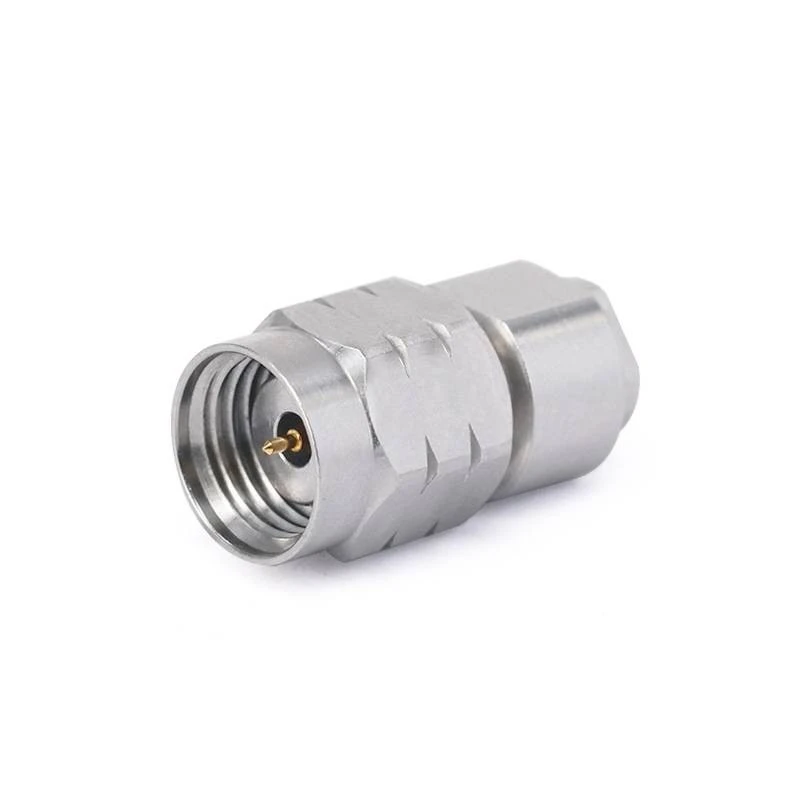
At our company, we offer a wide range of Connector Loads [/rf-loads/connector-loads.html] products that are suitable for continuous load monitoring. Our connectors are designed with high - quality materials and advanced manufacturing techniques to ensure accurate and reliable performance.
We have connectors equipped with built - in current sensors, allowing for direct measurement of the current flowing through the connector. These sensors are highly accurate and have a fast response time, enabling real - time monitoring of the load. Our connectors can also be integrated with external monitoring systems, such as data loggers or control units, to provide comprehensive load monitoring solutions.
In addition, our connectors are designed to have low resistance, which helps in reducing power losses and heat generation. This not only improves the efficiency of the system but also extends the lifespan of the connector. We also offer connectors with temperature - sensing capabilities, allowing for simultaneous monitoring of the load and temperature.
Case Studies
Let's take a look at a few case studies to illustrate the effectiveness of continuous connector load monitoring using our products.
Case Study 1: Industrial Automation System
In an industrial automation system, a large number of connectors are used to connect various sensors, actuators, and control units. By continuously monitoring the loads on these connectors, the system operators were able to detect an overloading issue in one of the connectors. The monitoring system alerted the operators in real - time, and they were able to isolate the problem and replace the faulty connector before it caused any damage to the connected components. This proactive approach saved the company from significant downtime and repair costs.
Case Study 2: Renewable Energy System
In a solar power plant, connectors are used to connect the solar panels, inverters, and batteries. Continuous monitoring of the connector loads helped the plant operators to optimize the performance of the system. By analyzing the load patterns, they were able to identify areas where the solar panels were under - utilized and adjust the system configuration accordingly. This resulted in an increase in the overall energy output of the plant.
Contact Us for Your Connector Load Monitoring Needs
If you are looking for high - quality Connector Loads [/rf-loads/connector-loads.html] for continuous load monitoring, we are here to help. Our team of experts can provide you with customized solutions based on your specific requirements. Whether you need connectors for industrial applications, renewable energy systems, or any other electrical or electronic systems, we have the products and expertise to meet your needs.
Contact us today to discuss your connector load monitoring requirements and start a partnership that will ensure the efficient and safe operation of your systems.
References
- Dorf, R. C., & Svoboda, J. A. (2018). Introduction to Electric Circuits. Wiley.
- Grob, B. (2007). Basic Electronics. McGraw - Hill.
- Tipler, P. A., & Mosca, G. (2007). Physics for Scientists and Engineers. W. H. Freeman and Company.


